



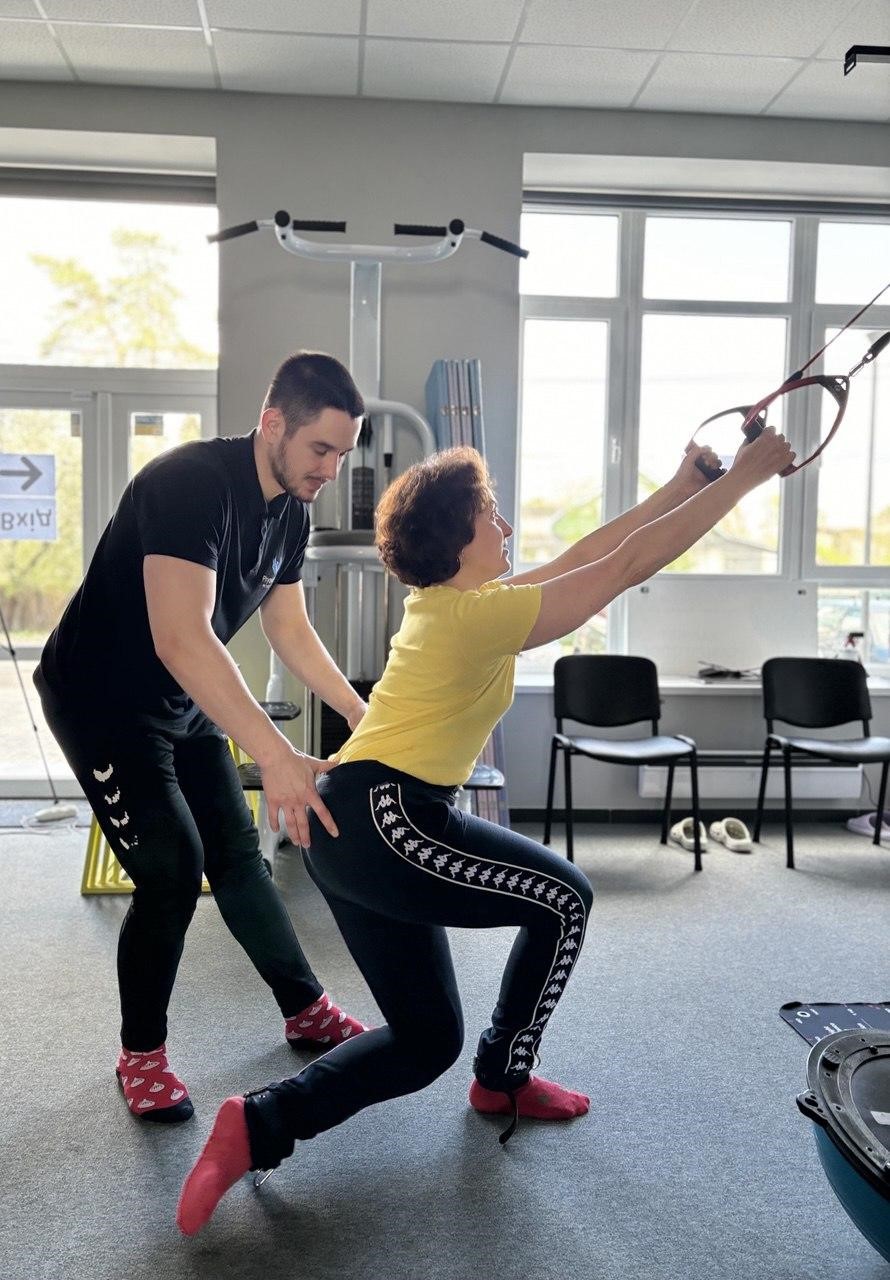
Modern approach to treating low back pain without pills, injections, or prolonged rest
Low back pain is one of the most common reasons people visit doctors and physical therapists worldwide. Statistics show that up to 80% of people experience it at least once in their lifetime. It can appear suddenly or develop gradually, be acute or chronic, localized or radiate into the leg. Despite its prevalence, low back pain should not be ignored — it may indicate both functional disorders and more serious musculoskeletal conditions.
In this article, we will explore why low back pain occurs, which treatment methods are most effective, and when you should see a physical therapist.
Main causes of low back pain
The causes of pain can vary — from simple overload to complex structural changes in the spine. The most common include:
1. Muscle overload
One of the most frequent causes. It occurs due to:
- prolonged sitting (especially at a computer)
- poor posture
- sudden movements or lifting heavy objects
The back muscles become overstrained, leading to spasm and pain.
2. Sedentary lifestyle
Lack of physical activity leads to weakening of the muscular core. As a result:
- spinal load increases
- stability decreases
- risk of injury rises
3. Disc protrusions and herniations
These are more serious conditions where the intervertebral disc shifts or becomes damaged. Symptoms may include:
- pain radiating into the leg
- numbness or tingling
- muscle weakness in the limbs
4. Postural disorders
Slouching, hyperlordosis, or scoliosis alter biomechanics, leading to:
- uneven load distribution
- chronic pain
- fatigue
5. Injuries and overload
Sports injuries, falls, or improper exercise technique can also cause pain.
6. Stress and psychological factors
Chronic stress often leads to muscle tension, especially in the back and neck region, which can trigger or worsen pain.
Symptoms that should not be ignored
In most cases, low back pain is not dangerous and resolves within a few days or weeks. However, some symptoms require attention:
- pain lasting more than 1–2 weeks
- worsening pain over time
- pain radiating into the leg or gluteal region
- numbness or weakness
- pain after trauma
- restricted mobility
If you notice any of these symptoms, do not delay consulting a specialist.
Effective treatments for low back pain
Modern physical therapy offers a comprehensive approach. The goal is not only to reduce pain but to eliminate its root cause.
1. Physical therapy (kinesiotherapy)
This is the primary and most effective rehabilitation method.
It includes:
- individually tailored exercises
- mobility restoration
- muscle strengthening
The key advantage is that rehabilitation is adapted to each individual.
2. Muscle and fascia work
Myofascial techniques help:
- reduce muscle spasm
- improve blood circulation
- decrease pain
3. Stabilization training
An important part of rehabilitation. It:
- strengthens deep muscles
- improves movement control
- reduces recurrence risk
4. Movement retraining
A physical therapist teaches:
- proper sitting posture
- correct lifting mechanics
- how to avoid overload
This is critical for long-term prevention.
5. Use of modern equipment
Methods such as suspension systems (e.g., Neurac) allow:
- safe muscle activation
- pain-free exercise
- faster functional recovery
Why painkillers alone are not enough
Many people try to manage pain by:
- taking medication
- using ointments
- receiving massage
These may temporarily relieve symptoms, but do not solve the underlying problem.
Without proper diagnosis and treatment of the cause:
- pain returns
- it may become chronic
- condition may worsen over time
When to see a physical therapist
Consulting a specialist is not a last resort but a smart early decision.
You should seek help if:
- pain occurs regularly
- it does not improve within a few days
- it interferes with work or sleep
- it limits movement
- it keeps returning after treatment
The earlier you start rehabilitation, the faster and more effective the results.
What happens during a physical therapy session
Many people delay visiting because they are unsure what to expect.
Typically, the process includes:
- Assessment
- movement analysis
- muscle testing
- identifying the cause of pain
- Rehabilitation plan
- individual exercise program
- lifestyle recommendations
- Therapeutic intervention
- exercises
- manual therapy techniques
- Monitoring and adjustment
- progress tracking
- program adaptation
Prevention of low back pain
To prevent recurrence, follow simple principles:
- stay physically active
- strengthen core and back muscles
- maintain proper posture
- take breaks during sitting work
- avoid sudden overloads
Even 10–15 minutes of daily exercise can significantly reduce the risk of pain.
Conclusion
Low back pain is not just temporary discomfort but a signal of dysfunction in the body. Ignoring symptoms or self-treating often leads to chronic conditions and complications.
Modern physical therapy allows not only pain relief but also full restoration of movement function, activity, and quality of life.
If you experience low back pain — do not delay. The earlier proper rehabilitation begins, the faster and more stable the result will be.