



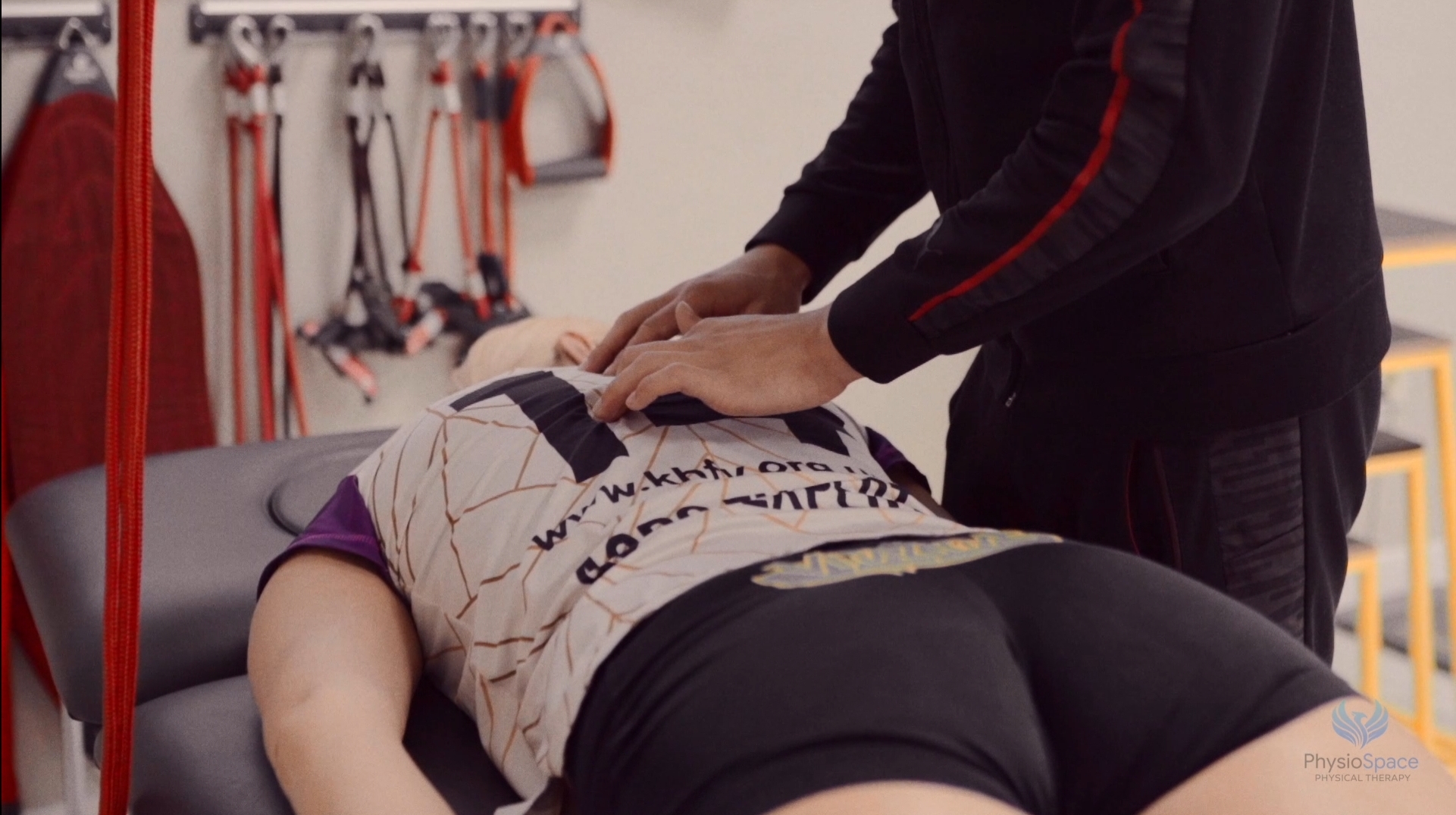
Neck pain and headaches are one of the most common combinations of symptoms people bring to physical therapists. Many people spend years treating only the “head,” without realizing that the real source of the problem may be in the cervical spine.
In this article, we’ll look at how neck pain and headaches are connected, which symptoms may indicate this relationship, and which treatment methods actually work.
How the Neck Affects Headaches
The cervical spine is a complex system that includes:
- vertebrae
- muscles
- ligaments
- nerves
This area contains nerve structures that are directly connected to pain sensations in the head. When dysfunction occurs in the neck, the brain may “interpret” it as a headache.
This type of pain is called a cervicogenic headache.
Main Causes of Neck Pain
1. Prolonged Sitting and Computer Work
One of the most common causes in modern life.
Problems develop because of:
- forward head posture
- muscle tension
- lack of movement
This creates constant stress on the neck.
2. Poor Posture
Slouching or a “forward head posture” changes biomechanics:
- muscles become overloaded
- mobility decreases
- chronic pain develops
3. Muscle Spasm
Tight muscles may:
- compress nerves
- restrict blood flow
- trigger headaches
4. Sedentary Lifestyle
Weak neck and shoulder muscles cannot effectively support proper posture.
5. Stress
Emotional tension often “accumulates” in the neck:
- people unconsciously tense their shoulders
- constant muscle tightness develops
How to Tell If a Headache Is Related to the Neck
There are several characteristic signs:
- pain starts in the neck and spreads to the head
- pain is usually one-sided
- symptoms worsen with head movement
- neck stiffness is present
- pain decreases after massage or movement
Most commonly, the pain is felt:
- in the back of the head
- in the temples
- behind the eyes
When You Should Be Concerned
Not all headaches are related to the neck. You should consult a specialist if:
- the pain is severe or sudden
- it is accompanied by dizziness
- vision problems occur
- nausea appears
- the headache starts suddenly without a clear reason
In such cases, additional medical evaluation is necessary.
Effective Treatment: What Actually Works
The biggest mistake is treating only the symptom (the headache) while ignoring the cause (the neck).
Modern physical therapy uses a comprehensive approach.
1. Physical Therapy Exercises
This is the foundation of treatment.
It includes:
- neck exercises
- muscle strengthening
- mobility improvement
Regular exercise provides long-term results.
2. Muscle and Fascial Work
Myofascial techniques help:
- reduce tension
- improve circulation
- decrease pain
3. Posture Correction
A physical therapist teaches:
- how to position the head properly
- how to sit correctly at a computer
- how to avoid overloading the neck
This is critical for lasting improvement.
4. Stabilization Exercises
These exercises help:
- strengthen deep muscles
- improve movement control
- reduce stress on the neck
5. Thoracic Spine Mobility Work
Often, the problem is not only in the neck.
Restricted movement in the thoracic spine:
- changes neck positioning
- increases strain on the cervical area
That is why a full-body approach is important.
Why Painkillers Don’t Solve the Problem
Pain medications:
- temporarily reduce symptoms
- do not address the underlying cause
- may lead to dependency with frequent use
Without restoring proper movement, the pain often returns.
How Long Does Recovery Take?
Recovery time depends on:
- how long the problem has existed
- lifestyle factors
- consistency of exercises
On average:
- first improvements appear within 1–2 weeks
- stable progress takes about 4–6 weeks
When to See a Physical Therapist
Do not wait until the pain becomes constant.
You should seek help if:
- headaches occur regularly
- you have neck pain or stiffness
- symptoms worsen during computer work
- massage provides only temporary relief
- pain affects your quality of life
Prevention: How to Avoid the Problem
Simple recommendations that truly help:
- take breaks every 40–60 minutes
- keep the monitor at eye level
- avoid looking down at your phone for long periods
- perform neck exercises regularly
- manage stress levels
Conclusion
Neck pain and headaches are often closely connected. Ignoring this relationship frequently leads to ineffective treatment.
Modern physical therapy helps:
- identify the real source of pain
- effectively address it
- prevent recurrence
If you experience frequent headaches, it is worth assessing the condition of your neck.
A proper rehabilitation approach can help not only relieve symptoms but also restore comfort and quality of life.