



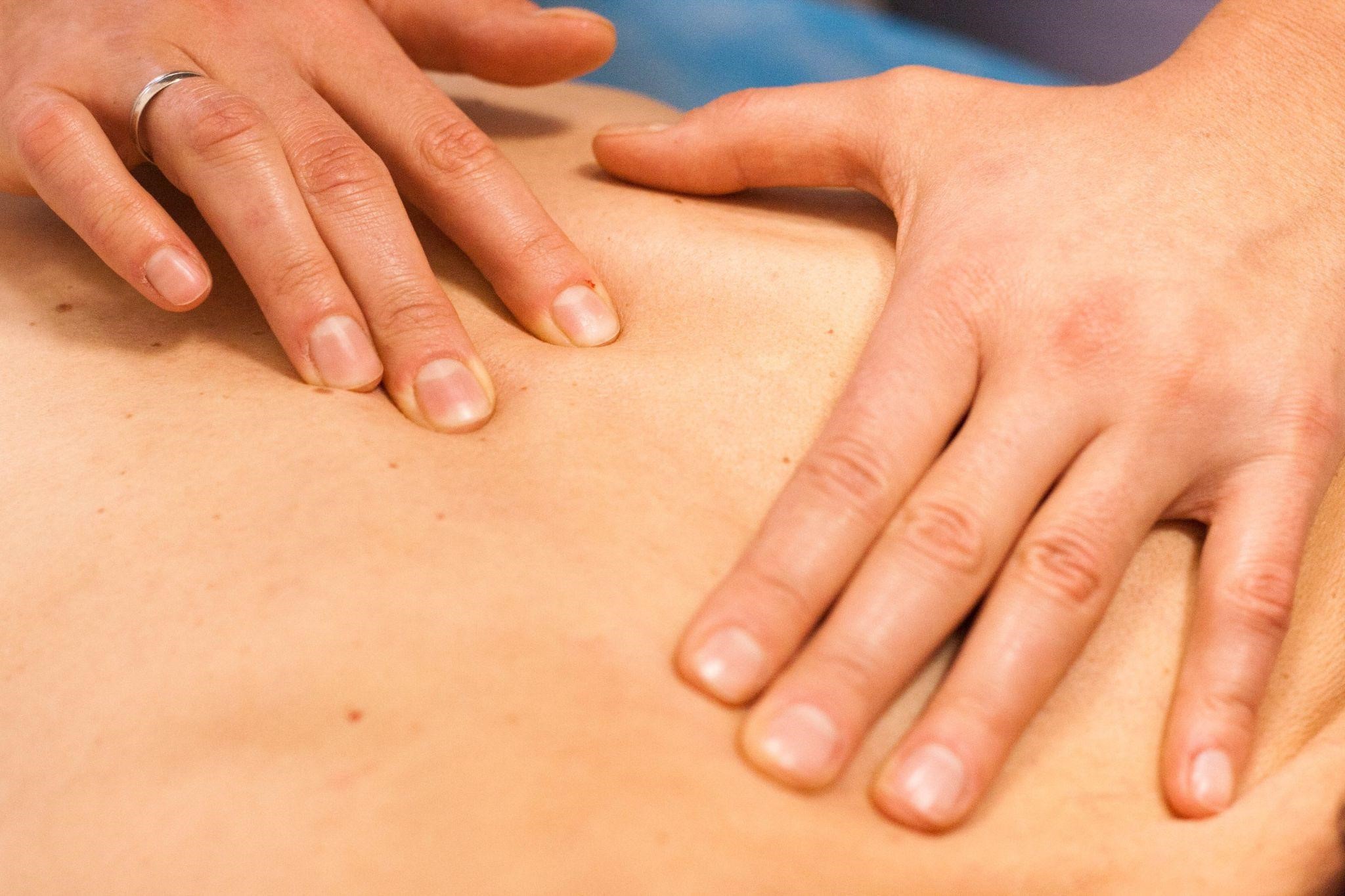
Many people face a situation: they go through a course of massage, feel better… but after some time the pain returns. This raises a logical question — why doesn’t massage provide long-term results and what should be done next?
In this article, we’ll explore the difference between massage and physical therapy, when massage is truly useful, and why in many cases it is not enough.
Why massage provides only temporary relief
Massage works with soft tissues:
- muscles
- fascia
- ligaments
It helps to:
- reduce muscle tension
- improve blood circulation
- decrease pain
But there is a key point: massage does not eliminate the root cause of the problem.
What happens in practice:
- muscle is relaxed → pain decreases
- person returns to usual lifestyle
- load and habits remain the same
- the problem returns
The main cause of pain is not always the muscle
In most cases, pain is caused by:
- incorrect movement patterns
- weak or inactive muscles
- poor posture
- overload
In other words, the problem is in function, not only in muscle tension.
That is why massage alone often does not fully solve it.
What physical therapy is
Physical therapy is an approach aimed at restoring normal movement and body function.
It includes:
- movement assessment
- individual exercise programs
- treatment of the root cause of pain
- patient education
The main goal is not just to relieve symptoms, but to remove the source of the problem.
Key difference between massage and physical therapy
Massage:
- works with the consequence (tension)
- provides quick relief
- passive method
- short-term effect
Physical therapy:
- works with the cause
- provides long-term results
- active process
- changes movement habits
Why pain returns after massage
1. Lifestyle does not change
- long sitting
- lack of movement
- no training
2. Weak muscles
Relaxing a muscle is not enough — it must also be strengthened.
3. Incorrect movement patterns
The body “learns” wrong movement habits. Without correction, pain returns.
4. Lack of stabilization
- deep muscles do not activate properly
- load distribution becomes incorrect
When massage is actually useful
Massage is not a “bad” method — it has its place.
It is effective:
- as part of a comprehensive treatment plan
- for reducing acute pain
- for muscle relaxation
- as preparation for exercise
But on its own — it rarely provides long-term results.
What the correct approach looks like
The best approach combines methods:
- Reduce tension (massage / manual techniques)
- Improve neuromuscular control
- Restore movement (exercise)
- Strengthen muscles
- Learn correct movement patterns
This is how modern physical therapy works.
Example from practice
A person has neck pain:
- gets massage → feels relief
- returns to computer work
- pain returns after a week
Why?
Because:
- head posture did not change
- muscles remained weak
- daily load stayed the same
Without addressing the cause, results will not last.
When to choose physical therapy
You should see a physical therapist if:
- pain returns after massage
- the problem is long-lasting
- movement is limited
- pain affects daily life
- nothing else seems to help, but relief is temporary
What to expect from physical therapy
Unlike massage, you are an active participant in the process.
You will receive:
- a clear understanding of the cause
- an individual recovery plan
- targeted exercises
- lifestyle recommendations
Prevention: how to avoid recurring pain
- move regularly
- do exercises
- maintain good posture
- take breaks during work
- do not ignore early symptoms
Conclusion
Massage is a useful tool for reducing tension and providing temporary relief. However, in most cases it does not solve the underlying problem.
Physical therapy works deeper — with the cause of pain, not just its symptoms.
That is why, for long-term results, it is important to:
- not rely only on passive methods
- work on movement and function
- change daily habits
If pain keeps coming back, it is a sign that it’s time to move from massage to a systematic approach.