



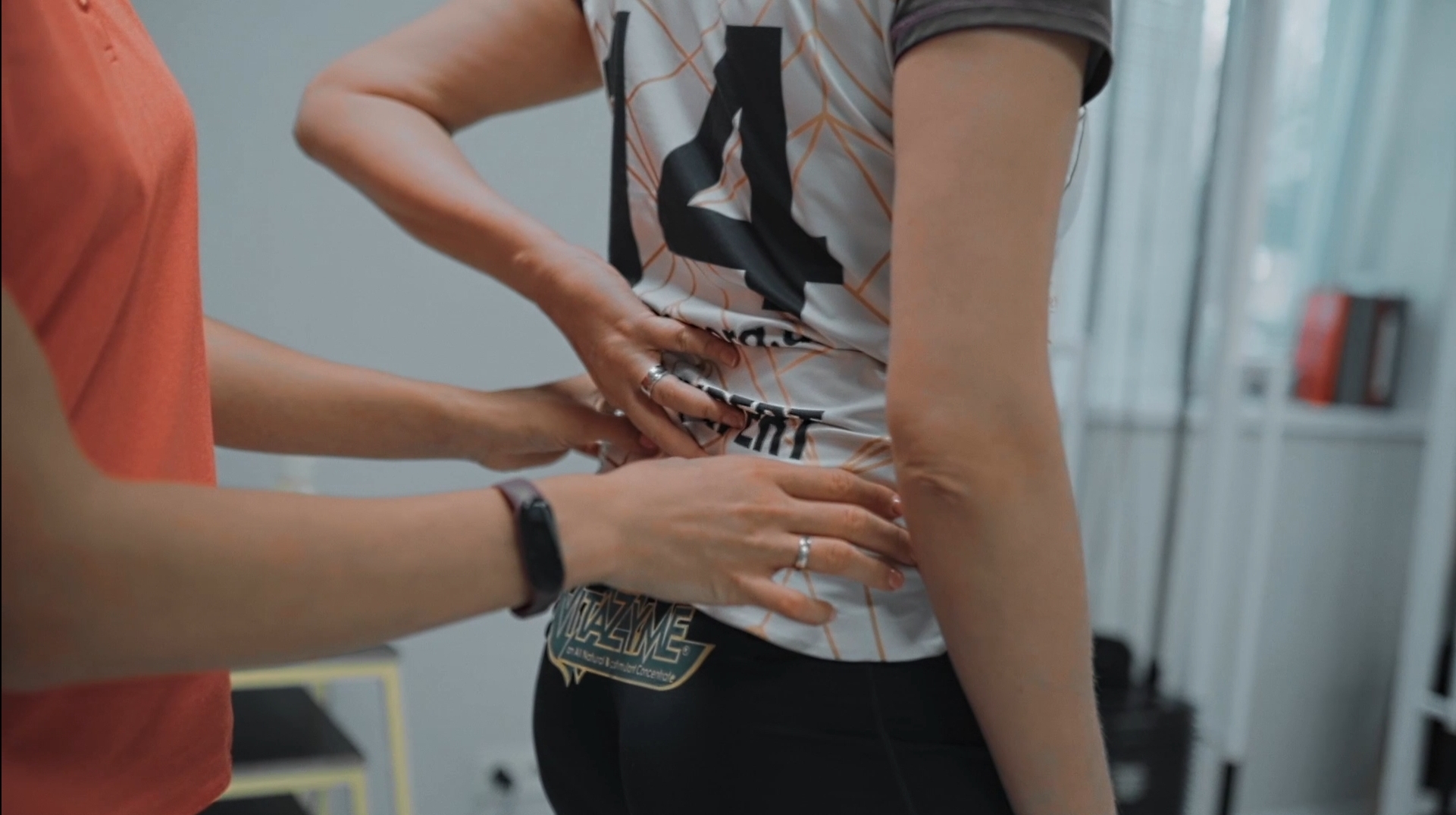
Sciatica is one of the most common causes of pain that starts in the lower back or gluteal region and radiates into the leg. Many people describe this condition as:
- a “shooting” pain in the leg
- burning sensation
- tingling
- numbness
Due to strong pain, people often become afraid of movement and start thinking about a herniated disc or surgery. However, in most cases sciatica can be successfully treated without surgical intervention.
In this article we will cover:
- what sciatica is
- its symptoms
- why sciatic nerve irritation occurs
- how modern non-surgical treatment is performed
What is sciatica
Sciatica is not a standalone disease, but rather a symptom complex associated with irritation or compression of the sciatic nerve.
The sciatic nerve:
- is the largest nerve in the human body
- originates in the lumbar spine
- passes through the gluteal region
- runs down the back of the leg
When the nerve becomes irritated, characteristic pain appears.
Main symptoms of sciatica
Symptoms can vary in intensity — from mild discomfort to severe pain.
The most common include:
- pain in the lower back or gluteal region
- pain radiating into the leg
- burning sensations or “shooting” pain
- numbness
- tingling
- weakness in the leg
How the pain typically presents
Sciatica is usually characterized by:
- pain on one side
- worsening when sitting
- discomfort when bending
- worsening after prolonged static positions
Sometimes the pain may travel all the way down to the foot.
Main causes of sciatica
1. Disc protrusion or herniation
The most common cause.
When a disc:
- shifts
- or bulges
it may compress a nerve root.
2. Muscle spasm
Tight gluteal muscles (especially the piriformis muscle) may:
- irritate the nerve
- produce symptoms similar to a herniated disc
3. Sedentary lifestyle
Prolonged sitting:
- reduces mobility
- weakens stabilizing muscles
- increases load on the lower back
4. Sudden physical load
Lifting a heavy object or incorrect movement can trigger an acute flare-up.
5. Postural and movement pattern dysfunction
Improper load distribution:
- creates excessive strain
- increases risk of nerve irritation
Is a herniated disc always the cause?
No.
This is an important point.
Many people:
- have disc herniations on MRI
- but no pain
And vice versa:
- severe pain may exist even without a large herniation
Therefore it is important to assess:
- symptoms
- movement
- functional capacity
rather than relying only on imaging results.
When to seek urgent medical attention
There are symptoms that should not be ignored:
- severe leg weakness
- bladder or bowel dysfunction
- numbness in the groin area
- sudden deterioration of symptoms
Such situations require immediate medical evaluation.
Can sciatica be treated without surgery?
In most cases — yes.
Current evidence shows that:
- most patients recover conservatively
- physical therapy is often more effective than passive treatment
- surgery is required only in selected cases
How sciatica is treated without surgery
1. Physical therapy
The main modern treatment approach.
Goals:
- reduce nerve irritation
- restore movement
- eliminate contributing overload factors
2. Individualized exercises
The program is tailored depending on:
- pain source
- mobility level
- symptom severity
Exercises help to:
- stabilize the lumbar spine
- activate deep stabilizing muscles
- reduce load on the nerve
3. Muscle work
Myofascial techniques can:
- reduce muscle spasm
- improve mobility
- relieve pain
4. Lifestyle correction
It is important to:
- avoid prolonged sitting
- lift objects correctly
- manage physical load appropriately
5. Gradual return to activity
Complete rest is an outdated approach.
Modern rehabilitation includes:
- safe movement
- gradual activity progression
- controlled loading
What NOT to do
❌ Lying in bed for weeks
This weakens muscles and delays recovery.
❌ Enduring severe pain
Ignoring symptoms may lead to chronic pain.
❌ Doing random exercises
Incorrect movements may worsen nerve irritation.
❌ Relying only on medication
Painkillers do not address the root cause.
How long treatment takes
On average:
- acute phase — 2–6 weeks
- full recovery — several months
Duration depends on:
- severity of the condition
- rehabilitation consistency
- lifestyle factors
How to prevent recurrence of sciatica
After symptoms improve, it is important to:
- strengthen core muscles
- stay physically active
- maintain good posture
- avoid prolonged sitting
- keep regular physical activity
When to see a physical therapist
Do not wait until the pain becomes unbearable.
You should seek help if:
- pain radiates into the leg
- there is numbness
- symptoms keep recurring
- pain affects sitting or walking
- the problem lasts more than a few days
Conclusion
Sciatica is a common condition that often causes significant discomfort and fear of movement. However, in most cases it can be effectively treated without surgery.
Modern physical therapy helps to:
- reduce pain
- relieve nerve irritation
- restore normal movement
- return to an active lifestyle
The key is not to self-treat and not to delay recovery.
The sooner proper rehabilitation begins, the faster and more stable the results will be.