



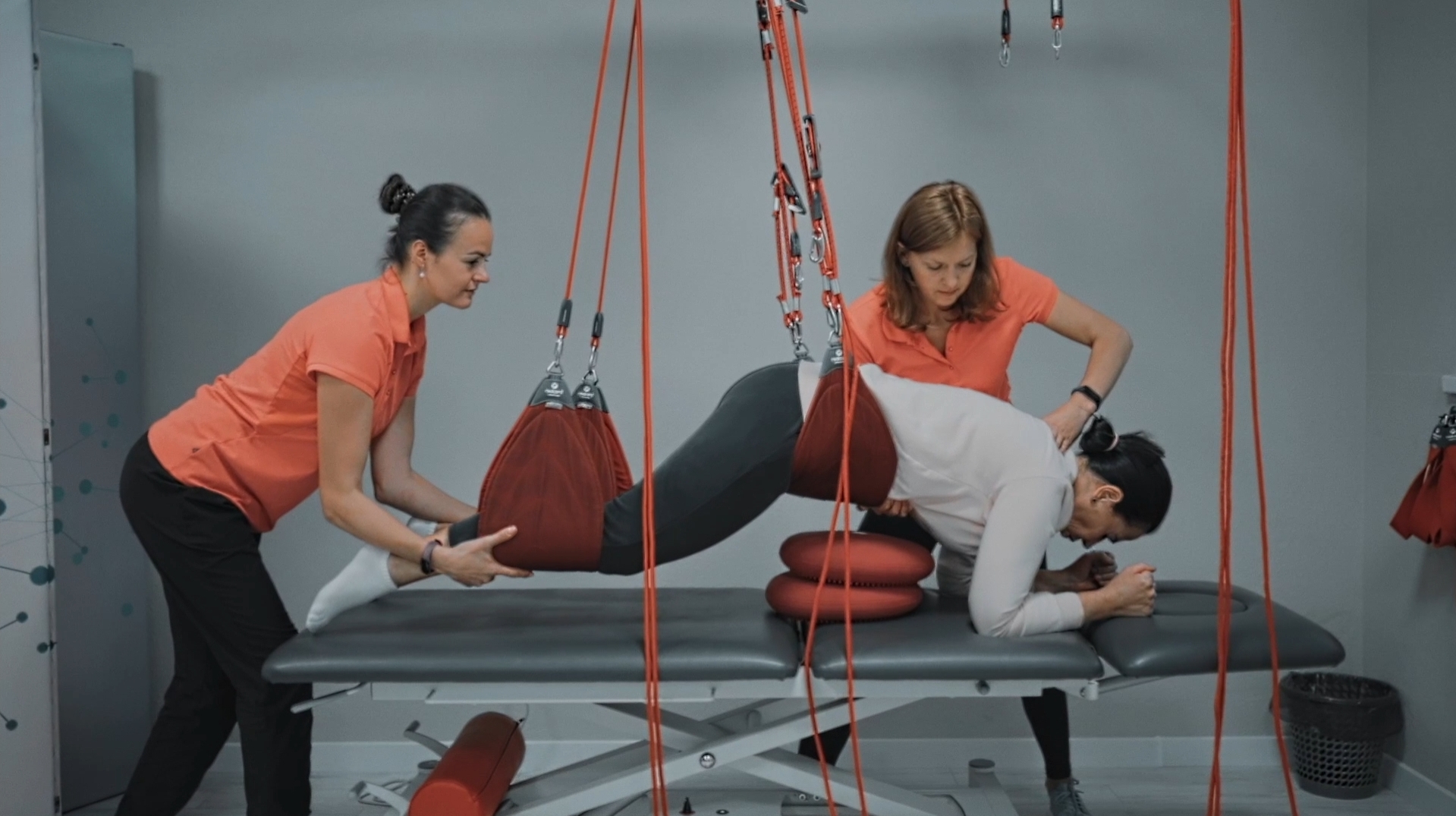
Sudden flare-up of back pain is a situation that can literally “disable” a person from normal life. A sharp shooting pain in the lower back, stiffness in the neck, or the inability to move properly often causes fear and a desire to completely “freeze” in one position.
However, at this moment it is important not to panic and not to make typical mistakes that can prolong recovery.
In this article we will cover:
- why back pain flare-ups occur
- what to do in the first hours and days
- what you absolutely should not do
- when to see a physiotherapist or a doctor
Why back pain flare-ups occur
A flare-up is not always a “new injury.” In many cases, it is a reaction of an existing problem.
Most common causes:
- muscle or ligament overload
- sudden movement or bending
- prolonged sitting
- irritation of an intervertebral disc
- deep muscle spasm
- accumulated tissue fatigue
How a flare-up manifests
Typical symptoms:
- sharp or aching back pain
- stiffness of movement
- difficulty straightening or bending
- pain increases with movement
- sometimes pain radiates to the leg or arm
First aid for back pain
1. Stay calm and do not panic
A sudden pain does not always mean serious damage.
In most cases it is:
- muscle spasm
- functional overload
- tissue irritation
2. Change body position
Staying in one position is the worst option.
Try:
- finding a comfortable position
- lying on your side or back with knee support
- avoiding sudden movements
3. Light movement
Complete bed rest is not recommended.
Better:
- slow walking
- gentle pain-free movements
- position changes every 20–30 minutes
4. Cold or heat
Depends on symptoms:
- cold — for acute pain or inflammatory sensation
- heat — for muscle spasm and stiffness
5. Breathing and relaxation
Stress increases pain perception.
Helpful:
- slow deep breathing
- releasing body tension
- muscle relaxation
What to do in the first 1–3 days
1. Maintain moderate activity
Total inactivity:
- slows recovery
- increases stiffness
2. Avoid provoking movements
Do not:
- bend suddenly
- lift heavy objects
- do intense exercises
3. Use gentle exercises
Only if they do not increase pain:
- soft mobilization
- gentle pelvic or neck movements
4. Monitor symptoms
Pay attention to:
- whether pain decreases
- appearance of numbness
- response to movement
What NOT to do during a flare-up
❌ Complete bed rest
Prolonged lying down:
- weakens muscles
- slows recovery
- increases stiffness
❌ Aggressive stretching and “through pain” exercises
This may:
- increase spasm
- worsen symptoms
❌ Self-manipulation of the spine
Unspecialized manipulation is risky.
❌ Ignoring symptoms
Especially if pain:
- worsens
- radiates to the leg
- is accompanied by numbness
❌ Continuous painkillers without supervision
They:
- mask symptoms
- do not address the cause
When to seek medical help urgently
Danger signs:
- weakness in arm or leg
- loss of bladder control
- severe numbness
- sharp pain after trauma
- rapid deterioration of condition
When to see a physiotherapist
- pain does not improve within a few days
- flare-ups repeat
- restricted movement
- pain affects sleep or work
- rehabilitation after an acute episode is needed
How physiotherapy helps after a flare-up
1. Pain and spasm reduction
Through:
- gentle techniques
- controlled movements
- load reduction
2. Restoration of mobility
Gradually returns:
- bending
- extension
- rotation
3. Addressing the root cause
Not only symptoms, but:
- weak muscles
- movement dysfunction
- poor movement patterns
4. Return to activity
Main goal:
- movement without fear
- normal function
- prevention of recurrence
How to prevent future flare-ups
- regular movement
- strengthening back and core muscles
- breaks during sedentary work
- load management
- proper lifting technique
Conclusion
Back pain flare-ups are unpleasant but in most cases not dangerous if managed correctly from the first hours.
Main points:
- do not panic
- avoid complete inactivity
- avoid sudden loads
- gradually return to activity
Modern physiotherapy helps not only to reduce acute pain but also:
- identify its cause
- prevent recurrence
- restore normal movement
Correct actions in the first days determine whether pain becomes a short episode or turns into a chronic problem.