



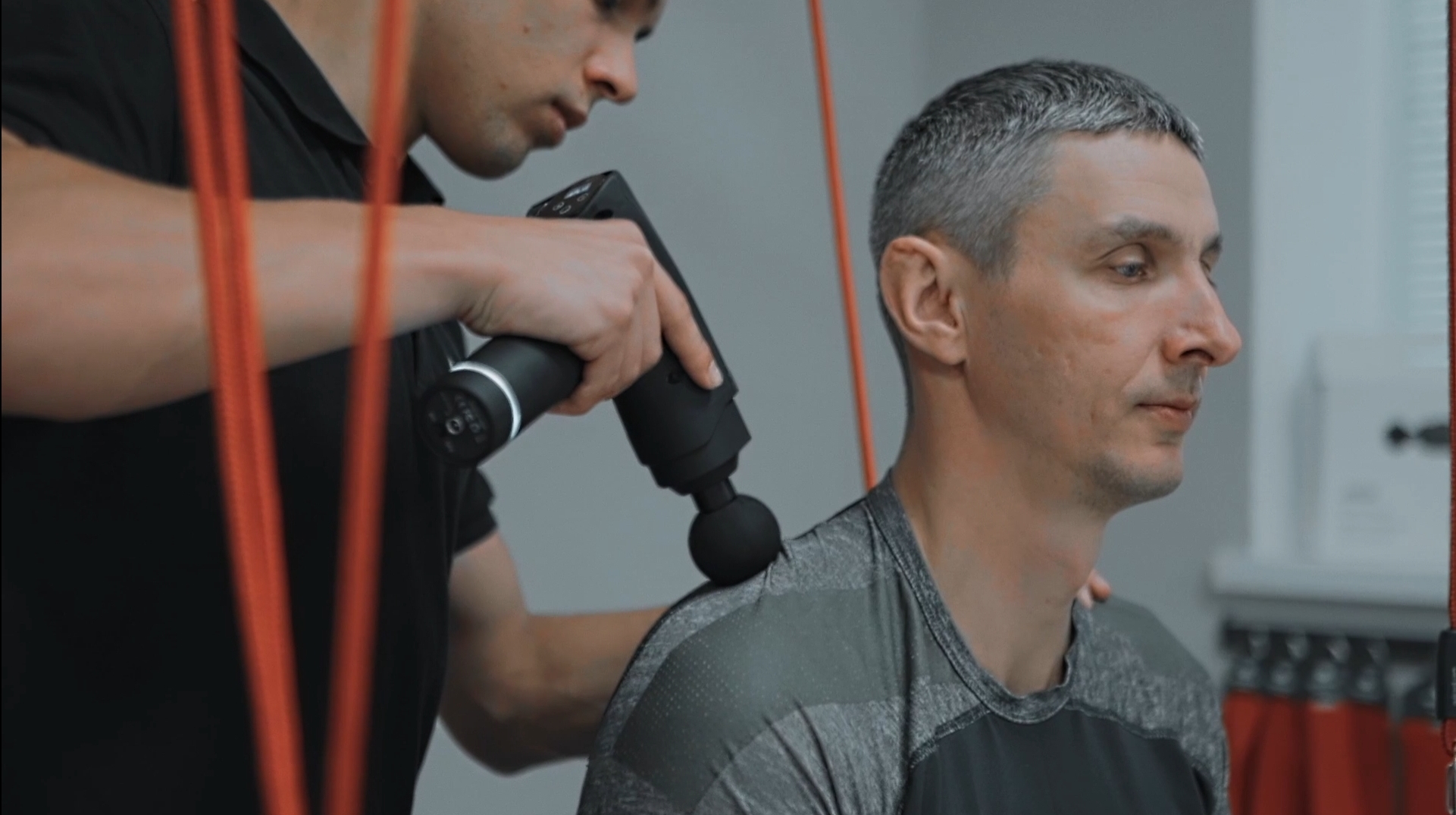
A sudden feeling of instability, a “foggy” sensation in the head, or unsteadiness while walking, accompanied by stiffness in the neck, are common complaints experienced by people of all ages. In many cases, the cause of these symptoms is not a brain disorder but rather biomechanical dysfunctions of the cervical spine.
If you experience dizziness and neck pain after prolonged computer work, lifting heavy objects, or following a whiplash injury, the underlying problem is highly likely to be related to the musculoskeletal system. Modern physical therapy can accurately identify the source of discomfort and safely address it without unnecessary reliance on medication.
How Is the Cervical Spine Connected to Dizziness?
Anatomy and Pathophysiology
The cervical spine has the greatest mobility of all spinal regions while simultaneously تحملing constant mechanical stress. The vertebral arteries pass through the transverse processes of the cervical vertebrae and supply areas of the brain responsible for coordination and balance (the vertebrobasilar system).
Chronic neck muscle tension, vertebral joint dysfunction, or disc protrusions may contribute to mechanical irritation of these vascular structures and stimulation of the sympathetic nerve plexuses. This can result in temporary changes in sensory processing and contribute to feelings of dizziness and disorientation.
Cervicogenic Dizziness
The muscles and ligaments of the neck contain a large number of proprioceptors—specialized receptors that provide the brain with information about head position and movement in space. When the neck muscles function asymmetrically or remain excessively tense, cervical proprioceptive input becomes distorted. The brain receives conflicting information from the eyes, vestibular system, and cervical muscles, which can lead to what is known as cervicogenic dizziness.
Who Is at Risk and What Are the Main Triggers?
Functional changes in the cervical spine can develop due to various daily factors:
- People with sedentary jobs: Prolonged forward-head posture (“computer neck”) creates significant overload on the suboccipital and cervical muscles.
- Military personnel and veterans: Prolonged carrying of heavy equipment, helmets, and body armor, as well as the effects of blast exposure and acoustic trauma, may contribute to cervical dysfunction.
- Athletes and physically active individuals: Repetitive microtrauma, sudden head movements, excessive loading, or improper exercise technique can contribute to cervical problems.
- Older adults: Age-related degenerative changes of the cervical spine, including osteoarthritis and spondylosis.
- Patients after injuries or surgery: Consequences of whiplash injuries from motor vehicle accidents or prolonged immobilization.
How to Distinguish Cervicogenic Dizziness From Other Conditions?
Not all dizziness is related to the cervical spine. Accurate diagnosis requires careful assessment of the symptom pattern and contributing factors.
Comparison of Different Types of Dizziness
| Criterion | Cervicogenic (Neck-Related) | Vestibular (Inner Ear) | Vascular / Neurological |
| Type of Sensation | Feeling of instability, “foggy” sensation, imbalance, or feeling intoxicated | Spinning sensation, feeling that the room is moving | Visual disturbances, “floating spots,” feeling faint |
| Duration | From several minutes to several hours or days | From seconds to several hours, often occurring in episodes | Usually brief, often lasting seconds during position changes |
| Relationship to Movement | Symptoms increase with neck rotation and bending | Symptoms increase with changes in body position | Often associated with rapid standing, blood pressure changes, or exertion |
| Associated Symptoms | Neck pain, occipital discomfort, muscle stiffness | Nausea, vomiting, tinnitus, nystagmus | Weakness, shortness of breath, blood pressure fluctuations |
Please note: A definitive diagnosis can only be established after serious neurological conditions have been ruled out through a medical examination.
Evidence-Based Physical Therapy: How to Restore Control and Reduce Pain?
Physical therapy is the primary treatment approach when cervicogenic dizziness and musculoskeletal disorders of the cervical spine have been identified.
A Comprehensive Approach to Rehabilitation
- Gentle manual therapy techniques: Cervical and thoracic joint mobilization, dry needling techniques, and post-isometric relaxation methods may help reduce trigger points, muscle tension, and protective spasms.
- Vestibular and oculomotor adaptation: Exercises that coordinate eye and head movements help restore visual stability and improve gaze control during walking and daily activities.
- Ergonomic correction: Education on proper biomechanics during work, sleep, and everyday activities to reduce unnecessary stress on the cervical spine.
Exercises to Restore Proprioception and Cervical Stability
Rehabilitation for neck pain includes isometric exercises and deep neck flexor training (including the longus capitis and longus colli muscles). These exercises help reduce excessive load on the superficial muscles of the neck and suboccipital region.
Stages of the Rehabilitation Process
| Stage | Main Goals | Intervention Methods |
| 1. Acute Phase (1–2 weeks) | Reduce pain and decrease acute muscle guarding | Gentle mobilization, breathing exercises, low-intensity isometric exercises |
| 2. Recovery Phase (2–6 weeks) | Restore range of motion and improve proprioception | Progressive rehabilitation programs, cervical control exercises, balance and coordination training |
| 3. Maintenance Phase (ongoing) | Prevent recurrence and strengthen the supporting muscular system | Strength training for the shoulder girdle, regular physical activity, and long-term movement strategies |
FAQ
Can Massage Help With Dizziness and Neck Pain?
Intensive traditional massage is generally not recommended during the acute phase. However, gentle soft tissue techniques and relaxation of overactive muscles performed by a qualified professional may help improve comfort, reduce muscle tension, and decrease symptoms.
When Should You Seek Immediate Medical Attention (Red Flags)?
Seek urgent medical evaluation (neurologist or emergency medical services) if dizziness is accompanied by:
- Sudden weakness or numbness in the face, arm, or leg;
- Difficulty speaking or swallowing;
- Loss of consciousness, double vision, or sudden hearing loss;
- A severe headache unlike anything experienced before.
Conclusion
If you experience dizziness and neck pain, it is important not to ignore these signals from your body or rely solely on pain medication. A structured physical therapy program and carefully selected exercises can help restore proper spinal biomechanics, reduce muscle tension, and rebuild confidence in every movement. Seeking timely guidance from a physical therapist is the first step toward a life with less pain and discomfort.