



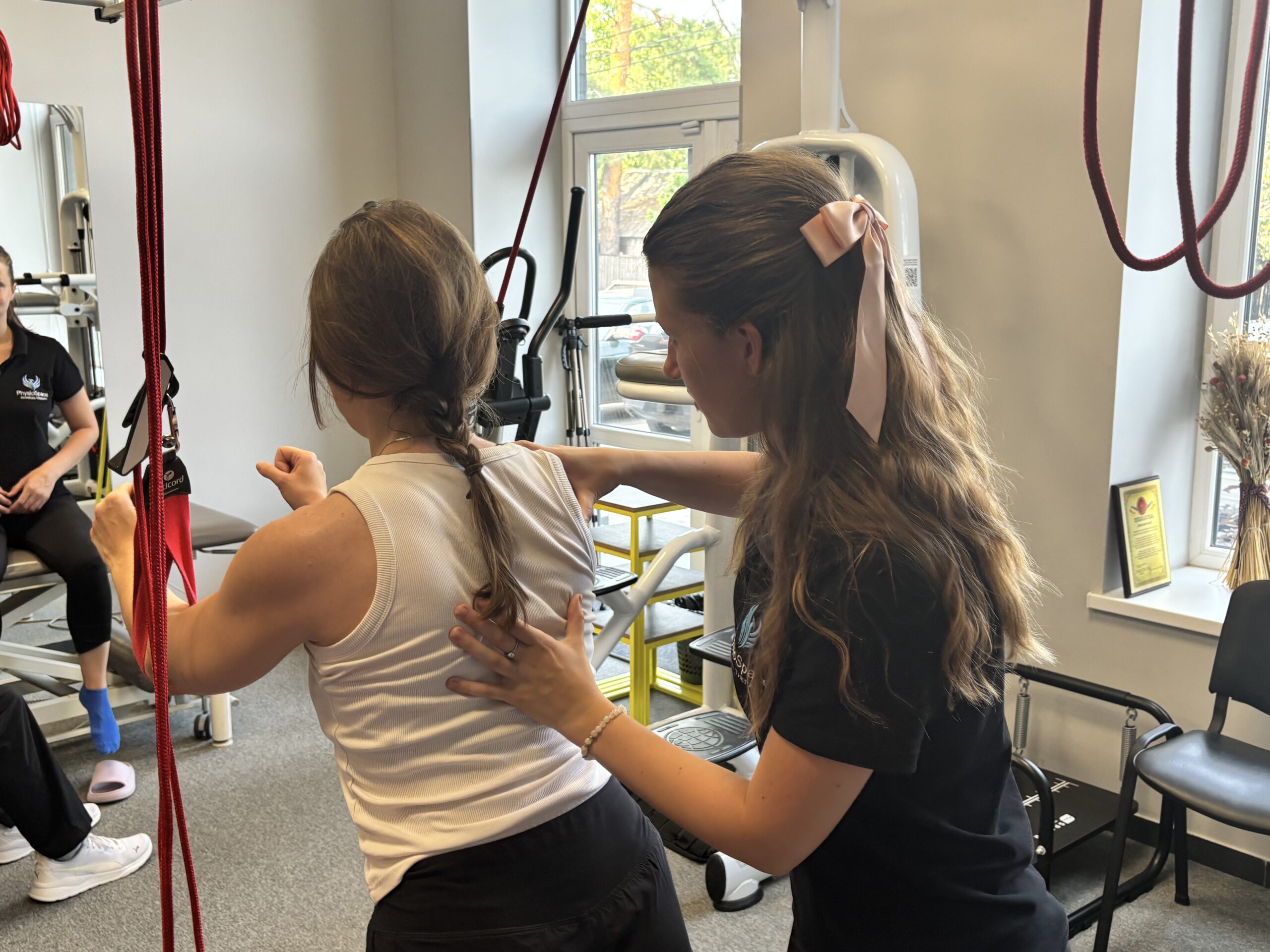
Sudden, sharp pain around the shoulder blades or an inability to turn your head are classic symptoms of muscle spasms in the back and neck. This condition can significantly restrict mobility and reduce quality of life, whether you spend all day at a computer, are recovering from an injury, or have been exposed to intense physical activity.
Fortunately, in most cases, increased muscle tone can be effectively addressed without aggressive medication. In this article, we will explore why neck and back muscle spasms occur, how to safely provide first aid, and how physical therapy can help prevent recurring episodes.
What Is a Muscle Spasm and Why Does It Occur?
A muscle spasm is an involuntary, prolonged, and painful contraction of muscle fibers accompanied by impaired blood flow and localized tissue ischemia. The muscle essentially becomes “tight” and loses its ability to fully relax. This is a natural protective response of the body to overload, stress, or injury.
Acute and Chronic Causes of Muscle Spasms
- Awkward or sudden movement: bending, twisting, or lifting weights without an adequate warm-up.
- Static overload: staying in the same position for prolonged periods (working at a computer, driving).
- Stress and emotional tension: the body’s stress response can contribute to involuntary increased tone in the trapezius muscles.
- Injuries and microtrauma: protective muscle spasm may develop around an injured joint or ligament.
Risk Factors for Different Groups
The risk group includes almost anyone who is either physically active or, conversely, physically inactive:
- Office workers: a prolonged forward-head posture increases the load on the cervical spine several times over.
- Athletes: insufficient recovery, improper exercise technique, and dehydration.
- Military personnel and veterans: carrying heavy equipment and body armor, as well as prolonged physical and psychological stress.
- Older adults: age-related changes in the intervertebral discs and reduced muscle elasticity.
How to Recognize a Muscle Spasm: Symptoms and Diagnosis
The main signs of a muscle spasm include restricted range of motion, dull or sharp back pain, a feeling of tightness or firmness in the muscle, and pain during palpation. However, it is important to distinguish ordinary muscle tension from more serious spinal conditions.
Comparison of Symptoms
| Criterion | Functional Muscle Spasm | Disc Herniation / Radicular Syndrome |
| Pain Characteristics | Aching, localized, worsens when the muscle is used | Sharp, shooting, or “burning” |
| Location | Limited to a specific muscle or area | Radiates into the arm, fingers, or leg |
| Sensation | Pain when pressure is applied to the muscle | Numbness, burning, or a “pins and needles” sensation |
| Muscle Strength | Preserved, with movement limited primarily by pain | Paresis or weakness in an extremity |
First Aid: How to Safely Relieve a Muscle Spasm at Home
If you experience an acute muscle spasm in the back or neck, follow these steps:
- Rest: stop the physical activity and find a comfortable position (lying on your side or back with a pillow or bolster under your knees).
- Apply a cold compress: during the first 24–48 hours after an acute episode or injury, apply ice wrapped in a towel for 10–15 minutes to help reduce swelling.
- Move gently: Avoid sudden movements!
- Stay hydrated: drink enough water, as dehydration can contribute to muscle cramps.
Important: During the first 24 hours after an acute episode, avoid hot baths, saunas, and intense massage, as these may increase tissue swelling.
Modern Physical Therapy and Rehabilitation Methods
Professional rehabilitation and physical therapy are aimed not only at relieving symptoms but also at addressing the underlying factors that contribute to muscle spasms.
Myofascial Release and Trigger Point Therapy
Using specialized massage rollers (MFR) or tennis balls allows targeted pressure to be applied to trigger points — localized areas of increased muscle tension. Myofascial release can help improve local circulation in tense muscle fibers and restore tissue mobility and elasticity.
Therapeutic Exercise and Graded Loading
Once acute pain has subsided, therapeutic exercise becomes the foundation of recovery. Regular, appropriately dosed exercises strengthen the deep spinal stabilizing muscles, helping reduce excessive load on superficial muscle groups.
How to Prevent Recurrent Muscle Spasms: Prevention
A systematic approach to daily habits can help protect the spine from excessive strain.
Daily Habits for Spinal Health
| Area of Life | Recommendation |
| Workstation Ergonomics | Position the monitor at eye level, provide adequate lower-back support, and keep both feet fully supported on the floor. |
| Physical Activity | Take breaks every 45–60 minutes for light mobility exercises, walking, and gentle stretching. |
| Sleep and Recovery | Use a supportive pillow and a medium-firm mattress. |
| Exercise | Include moderate strength training, swimming, and joint mobility exercises. |
Frequently Asked Questions
Can You Apply Heat to a Muscle Spasm During the First Few Days?
During the first 24–48 hours, applying heat is generally not recommended, as it may increase swelling in irritated tissues. It is also important to use muscle unloading and inhibition techniques that can help normalize excessive muscle tone.
When Should You Seek Professional Help for Back or Neck Pain?
Seek medical attention promptly if the pain is accompanied by fever, numbness or weakness in the extremities, changes in bladder function, dizziness, or if your condition does not improve within 3–5 days.
Conclusion
To quickly relieve a muscle spasm, it is important to take a comprehensive approach: combine rest during the initial hours with a gradual return to activity. Remember that the best protection against neck and back pain is regular physical activity, proper ergonomics, and paying attention to your body’s signals. If muscle spasms occur frequently, consult a physical therapist to develop an individualized rehabilitation program.