



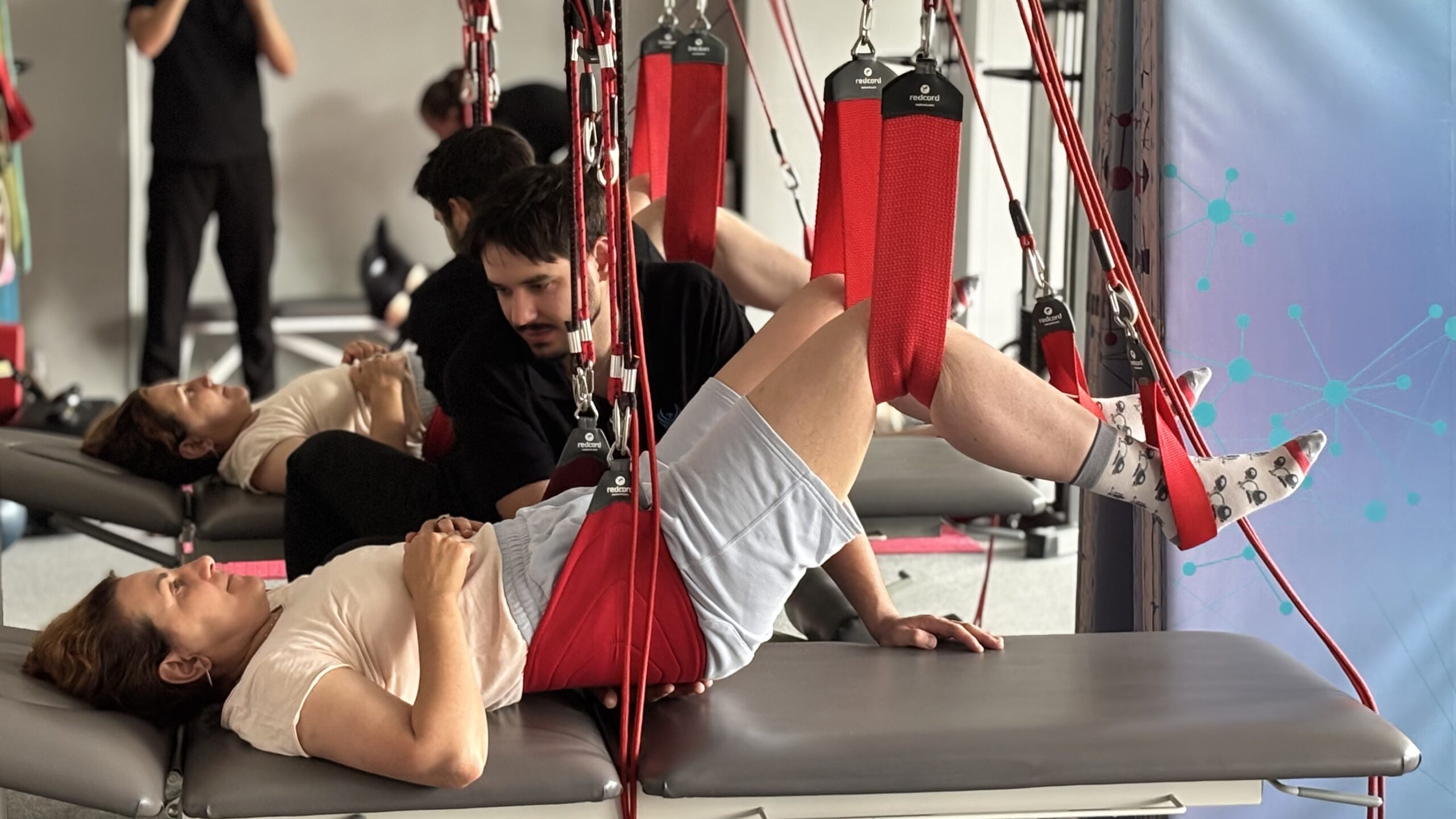
Joint replacement surgery is only the first step toward a pain-free life. How quickly and successfully you return to your usual routine depends largely on a properly structured rehabilitation program.
Proper rehabilitation after hip replacement helps prevent prosthetic dislocation, strengthen the muscles supporting the hip, and restore a physiological gait. In this article, we will discuss the key rules, restrictions, and stages of the rehabilitation process.
Rehabilitation Stages: From the First Days to Full Recovery
The process of rehabilitation after hip replacement is gradual and structured in stages. Each stage has its own goals, mobility requirements, and appropriate level of physical activity.
Early Inpatient Stage (Days 1–3)
The main goals are to prevent blood clots, reduce swelling, and begin mobilizing the patient. Initial movement begins on the day of surgery or the following morning under the supervision of a physical therapist. The patient is taught how to turn safely, sit up, and take the first steps using a walker or crutches.
Outpatient Period (2 Weeks to 3 Months)
During this stage, patients gradually reduce their reliance on assistive devices. The primary focus is on restoring range of motion and strengthening the gluteal muscles and quadriceps. Patients learn to safely climb and descend stairs and gradually return to basic activities of daily living.
Late Rehabilitation and Return to Activity (3 to 6+ Months)
This is the stage of restoring full functional capacity. It includes gradual adaptation to higher physical demands, daily activities, and recreational sports. The muscles continue to adapt to the new joint, limping resolves, and balance and coordination improve.
What Is Strictly Prohibited After Hip Replacement?
To protect the prosthesis and avoid complications, patients must follow specific precautions, particularly during the first 8–12 weeks.
Key Restrictions During Recovery
| Period | Restricted Activities | Potential Risks and Consequences |
| 0–3 months | Hip flexion beyond 90°, twisting the leg inward or outward, crossing the legs. | Dislocation of the prosthetic joint, implant instability. |
| 0–6 months | Lifting more than 5–7 kg, running, jumping, or making sudden turns on the operated leg. | Wear of the artificial joint components, muscle injury. |
| Always (lifelong) | Contact sports, high-impact activities, and lifting excessive weights without proper preparation. | Loosening of the prosthesis, premature wear. |
Important: Follow the “90-degree rule” — never bend the hip joint beyond 90 degrees while sitting or bending forward.
Permitted Activities and Safe Physical Exercise
Finding the right balance between safety and physical activity can significantly support and accelerate the rehabilitation process.
Daily Activities: How to Sit, Stand Up, and Walk Safely
- How to sit: Use firm chairs with armrests and higher seats. Your knees should remain below the level of your hips.
- How to stand up: Move toward the edge of the chair, place the operated leg slightly forward, and push up using your arms and non-operated leg.
- How to walk: Distribute your body weight evenly. Do not limp — it is better to use crutches for longer than to develop an abnormal gait pattern.
Exercises After Joint Replacement
Physical exercises after joint replacement should be selected individually. A basic exercise program may include:
- Heel slides on the treatment table (without exceeding 90° of hip flexion).
- Isometric contractions of the gluteal and quadriceps muscles while lying down.
- Standing hip abduction with support.
Recovery Considerations for Different Groups of People
- Older adults: The focus is on fall prevention and restoring safe mobility at home.
- Athletes and active individuals: Return to training should be gradual and supervised by a rehabilitation specialist, with an emphasis on restoring deep stabilization and functional strength.
- Military personnel and veterans: Specialized adaptive rehabilitation may be required, with a focus on restoring high levels of physical fitness and endurance.
- People with sedentary jobs: Take a movement break every 45 minutes and arrange the workstation with an appropriately high chair.
Comparing Activity Levels: Safe vs. Higher-Risk Sports
Returning to sports is possible, but physical activities should be selected with the safety of the new joint in mind. (Source of recommendations: clinical protocols from the American Academy of Orthopaedic Surgeons (AAOS).)
Safe and Higher-Risk Physical Activities
| Safe (Recommended) | Require Caution | Not Recommended (High Risk) |
| Nordic walking | Outdoor cycling (risk of falling) | Long-distance running |
| Swimming (freestyle) | Doubles tennis | Soccer, basketball, rugby |
| Water aerobics | Gym workouts (isolated exercises) | Martial arts, weightlifting |
| Stationary cycling | Cross-country skiing (on flat terrain) | Downhill skiing, high-impact jumping |
Physical Therapist Tips for a Safe Home Environment
- Remove loose rugs: They can increase the risk of slipping and falling during the first months at home.
- Equip the bathroom: Install grab bars and use a shower seat.
- Use a raised toilet seat: It increases the seat height and helps prevent excessive hip flexion.
- Use a long-handled shoehorn: A long shoehorn allows you to put on shoes without bending forward.
FAQ
When Can I Drive After Surgery?
Typically after 4–6 weeks if the surgery was performed on the left leg and you drive a vehicle with an automatic transmission, or after 6–8 weeks if the right leg was operated on. The key requirement is being able to press the brake pedal quickly and safely without pain.
How Long Do I Need to Use Crutches?
On average, 4–6 weeks. The exact duration is determined by the surgeon or physical therapist based on clinical progress and follow-up imaging.
Can I Sleep on My Side?
Sleeping on the non-operated side is generally allowed after 2–3 weeks, with a pillow placed between the knees. Sleeping on the operated side is usually possible after 6–8 weeks.
Conclusion
Following joint replacement safety guidelines and attending regular rehabilitation sessions with a physical therapist are essential for maximizing the longevity of your prosthesis and returning to a full and active life. Do not rush your recovery, and always consult your physical therapist before progressing to a higher level of physical activity.