



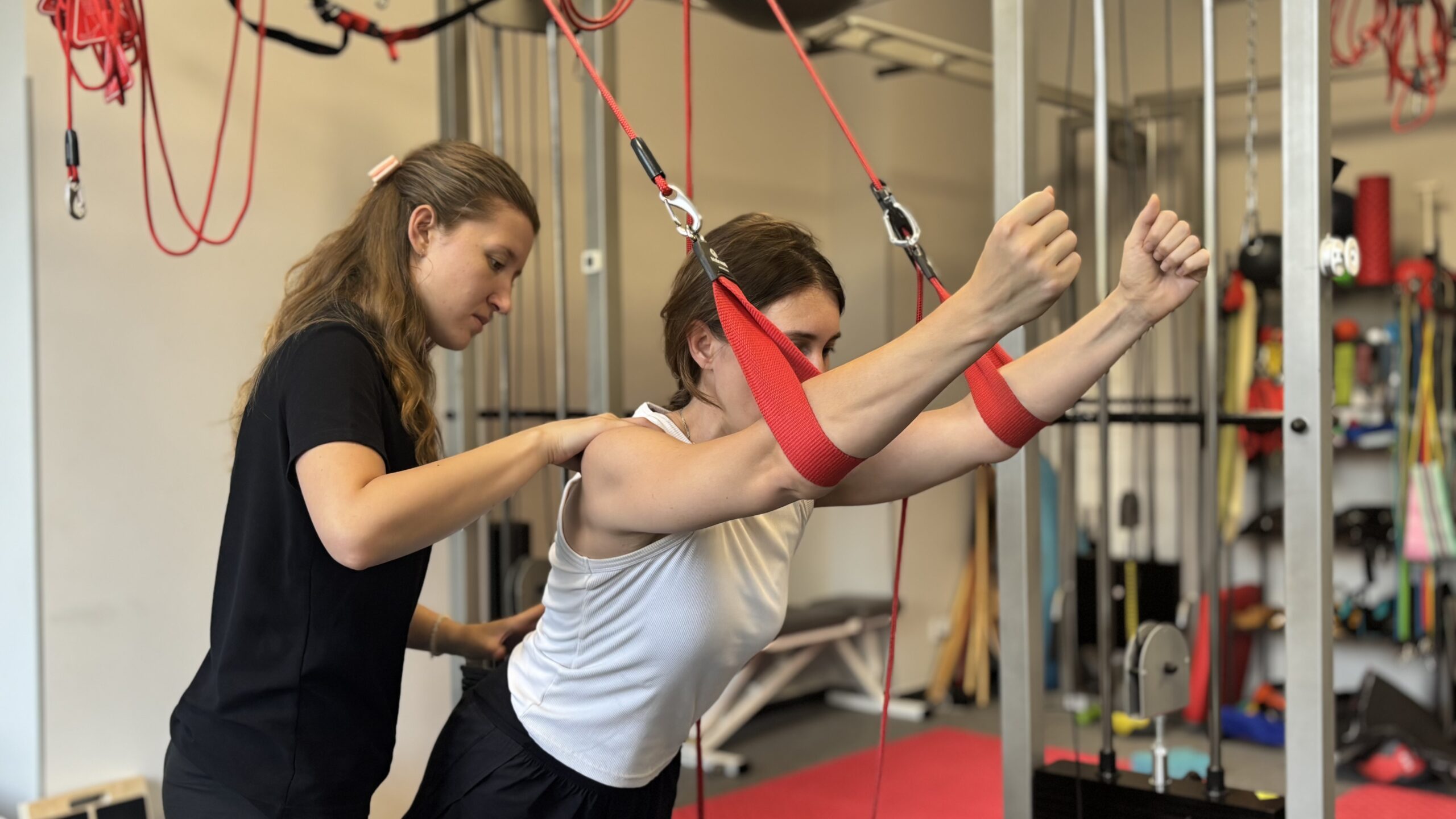
Sharp or aching lower back pain can instantly disrupt your normal routine. The first reaction for most people is to lie down and wait for the pain to go away. However, modern physical therapy for lower back pain takes a different approach.
The answer to the question, can you exercise if your back hurts, is yes in most cases, but with important precautions. The key is to distinguish between beneficial physical activity and types of exercise that may aggravate your condition.
Why Does Back Pain Occur and How Does the Body Respond to Movement?
Back pain rarely appears “out of nowhere.” It is often associated with prolonged sitting, poorly managed physical loads, weakness of the core muscles, or previous injuries. When discomfort occurs, the nervous system may increase muscle tension around the affected area as a protective response.
Movement as Medicine: Why Complete Rest Can Be Harmful
Prolonged bed rest can contribute to muscle deconditioning, reduced physical capacity, and slower recovery. Moderate, appropriately selected physical activity can help maintain mobility, reduce muscle tension, and support back rehabilitation.
(Clinical guidelines, including recommendations from NICE and evidence published in The Lancet, support appropriately dosed physical activity as a key component of first-line care for non-specific low back pain.)
When Should You Not Exercise? Red Flags
Before deciding whether to exercise with back pain and return to sports, it is important to make sure there are no symptoms that require urgent medical assessment by a healthcare professional.
Stop exercising and seek medical attention promptly if you experience any of the following red flags for back pain:
- Numbness in the groin, buttocks, or inner thighs (saddle anesthesia).
- Problems with urination or bowel movements, including difficulty passing urine or loss of bladder or bowel control.
- Weakness in a leg, such as difficulty standing on your toes or a foot that drags or “slaps” while walking.
- Shooting pain that travels below the knee and is accompanied by numbness or tingling in the toes.
- Back pain accompanied by fever or unexplained weight loss.
Which Types of Exercise Are Safe and Which Are Better Put on Hold?
When experiencing back discomfort, it may be helpful to temporarily reduce activities that involve high impact, heavy spinal loading, or repeated movements that clearly aggravate your symptoms.
| Category | Recommended Activities | Activities to Avoid or Modify |
| Lower risk (Support recovery) | Walking at a comfortable pace, swimming, Pilates, therapeutic exercise | Heavy spinal-loading exercises, such as heavy barbell squats or deadlifts, if they aggravate symptoms |
| Moderate risk (May require modification) | Elliptical trainer, stationary bike, floor-based exercises | Activities involving repeated or forceful trunk rotation, such as golf, tennis, or certain rotational exercises |
| Higher impact (Temporarily reduce or modify) | — | Running on hard surfaces, contact sports, CrossFit-style high-impact movements, jumping |
Step-by-Step Guide: How to Return to Exercise Safely
If you do not have any red flags, gradually resume physical activity while following three basic principles.
1. Assess Your Pain Using the VAS (Visual Analog Scale)
Rate your pain from 0 (no pain) to 10 (the worst pain imaginable):
- 0–3 points: Mild discomfort. You can generally exercise while selecting safe exercises for back pain and monitoring your symptoms.
- 4–5 points: Moderate pain. Modify the activity by reducing the load, intensity, or range of motion.
- 6 or more points: Severe pain. Stop the workout and consider seeking an assessment from a healthcare professional, especially if the pain is acute or worsening.
2. Modify Exercises and Control the Load
Consider replacing standing exercises with exercises performed lying down or on all fours. This can reduce the load on the spine while allowing you to train your core and other supporting muscles.
3. Assess How You Feel the Next Day
One useful way to monitor your response to exercise is to check how you feel over the following 24 hours. If your symptoms have not significantly worsened and you do not experience a notable increase in morning stiffness, the training load was likely well tolerated.
A Basic Set of Safe Exercises From a Physical Therapist
These exercises can be performed at home during periods of mild symptoms, provided they do not aggravate your condition:
- Cat-Cow: Perform the movement slowly on all fours. Gently alternate between spinal flexion and extension within a comfortable, pain-free range. This can help maintain spinal mobility. (10–12 repetitions).
- Glute Bridge: Lie on your back with your knees bent. Press through your feet to lift your pelvis while contracting your gluteal muscles. Avoid excessive arching of the lower back. (2 sets of 12 repetitions).
- Bird Dog: From an all-fours position, slowly extend the opposite arm and leg until they are approximately parallel to the floor. Keep your pelvis and lower back stable without excessive arching, while maintaining gentle abdominal tension. (2 sets of 8–10 repetitions per side).
FAQ
Can I Run If My Lower Back Hurts?
During an acute flare-up, it may be appropriate to temporarily reduce or avoid running if the impact aggravates your symptoms. You can replace it with brisk walking on a level surface or exercise on an elliptical trainer, depending on your tolerance.
Does Hanging From a Pull-Up Bar Help With Back Pain?
Passive hanging from a pull-up bar does not have strong evidence as a treatment for back pain and may aggravate symptoms in some people. If you are looking for gentle movement or unloading, exercises in water or other individually selected mobility exercises may be more appropriate.
Conclusion
The answer to the question, can you exercise if your back hurts, depends on the cause of the pain and the type and intensity of physical activity. Completely avoiding movement may prolong recovery. Choose activities that you can tolerate, gradually increase your load, and pay attention to how your symptoms respond. If the pain persists for more than 7–10 days, worsens, or is accompanied by neurological symptoms, consult a physical therapist or other qualified healthcare professional for an individualized rehabilitation plan.