



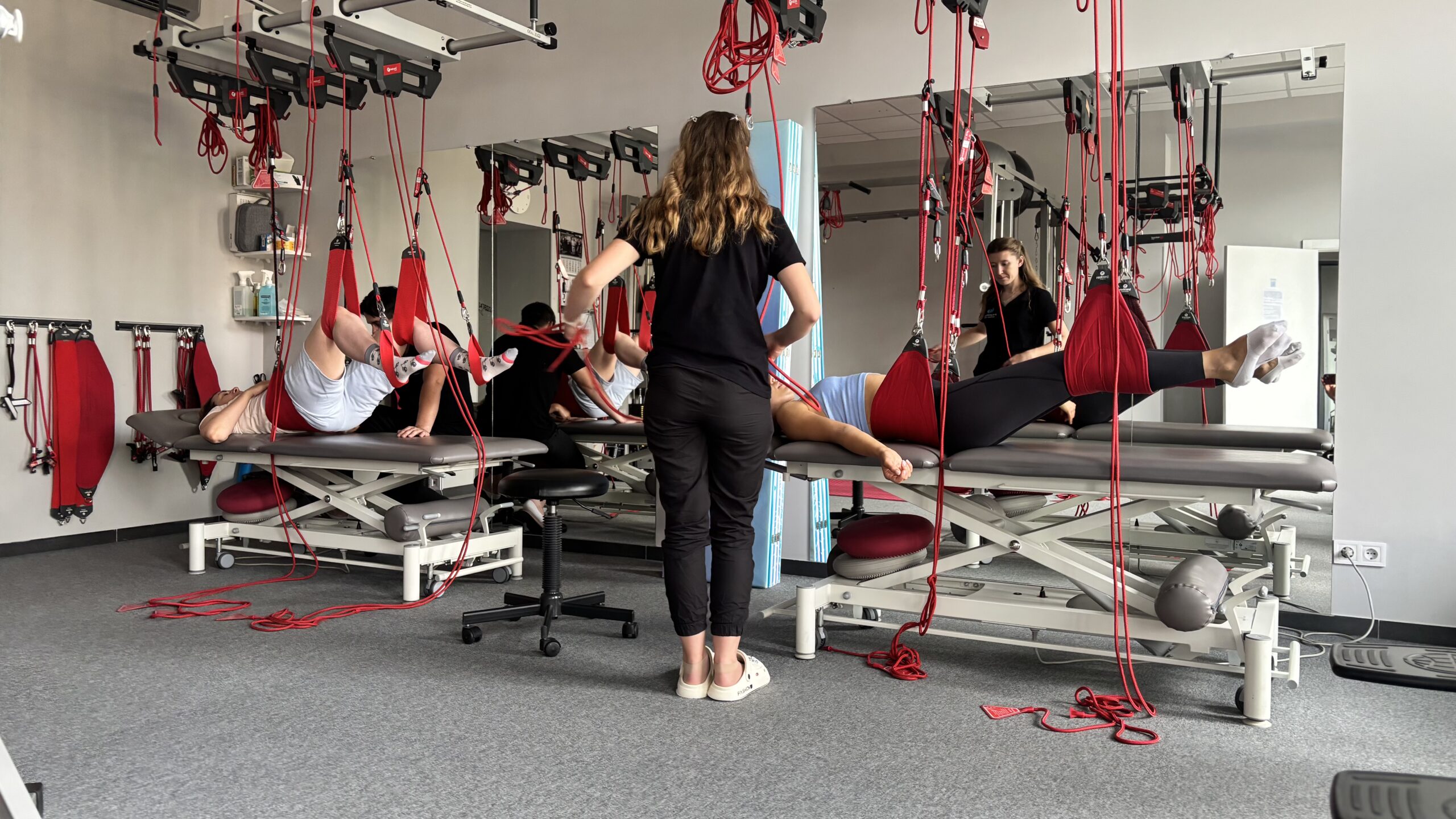
Having a cast removed or fixation devices taken out is only 50% of the road to recovery. Many patients find that the limb does not respond normally after immobilization, with pain, swelling, and a limited range of motion.
Quality rehabilitation after a fracture does more than simply relieve discomfort — it helps fully restore joint and muscle function. In this article, we will discuss when exactly recovery should begin and how to properly structure the rehabilitation process to return to an active life without complications.
Why should rehabilitation after a fracture begin while the limb is still in a cast or from the first days?
Early stage: preventing muscle atrophy and swelling
The most common mistake is waiting for the bone to fully heal while maintaining complete rest. After 4–6 weeks of immobility, muscles can lose up to 30% of their mass, while impaired circulation can lead to persistent swelling.
Early physical therapy for injuries helps maintain muscle tone through isometric contractions. This improves blood microcirculation and supports the bone healing process.
The myth of “complete rest” until the bone heals
Prolonged immobilization affects not only the muscles but also the ligaments and other connective tissues. The joint capsule loses elasticity, and contractures — persistent restrictions in mobility — can develop.
Modern international protocols, including clinical recommendations from the American Academy of Orthopaedic Surgeons, emphasize that healthy segments of the limb should be engaged and appropriate exercises should be performed from the first days after fracture fixation, when medically permitted.
Key stages of restoring mobility
The process of returning to a full and active life is divided into three consecutive phases, each with its own goals.
1. Immobilization stage (while the limb is in a cast or brace)
The main goal is to maintain circulation and prevent muscle atrophy. Breathing exercises, active movements of joints that are not immobilized, and isometric muscle contractions under the cast are commonly used.
2. Post-immobilization stage (after cast removal)
The main focus is on restoring joint mobility after cast or splint removal and addressing contractures. Treatment may include gentle manual techniques, graded flexibility exercises, hydrokinetic therapy, and massage to support lymphatic drainage.
3. Functional stage (recovery phase)
At this stage, a comprehensive rehabilitation program after a fracture is introduced to restore muscle strength, coordination, and balance. The patient gradually returns to normal daily activities or sports-related loads.
Comparison of rehabilitation stages
| Rehabilitation stage | Main goals | Permitted methods and exercises |
| Immobilization (weeks 1–6) | Reducing swelling, preventing muscle atrophy | Isometric contractions, breathing exercises, movements of adjacent joints |
| Post-immobilization (weeks 6–12) | Restoring limb mobility, reducing pain | Passive and active exercises, gentle manual techniques, massage |
| Functional (from week 12) | Strength, endurance, balance, return to sports | Resistance exercises, strength training, balance platforms, occupational therapy |
Physical Therapy vs. Exercises at Home
The answer to the question of when to start rehabilitation is clear: from the first days after a cast is applied or internal fixation surgery is performed, provided this is approved by the treating physician. Starting rehabilitation in a timely manner can significantly reduce the risk of long-term functional impairment.
Attempts to independently “push through the pain” and work on the limb at home can sometimes lead to reinjury, microtears of the tendons, or increased inflammation. A physical therapist individually adjusts the workload, monitors the range of motion, and uses evidence-based treatment methods.
Recovery methods: what actually works
- Kinesiotherapy and therapeutic exercise: the primary tools for recovery, helping restore muscle strength and elasticity.
- Manual techniques and scar tissue treatment: help prevent adhesions in the soft tissues and improve the mobility of the joint capsule.
- Physical therapy modalities: magnetic therapy or laser therapy may be used as adjunctive methods to help reduce pain during the early stages of recovery.
Monitoring your condition during exercise
| Acceptable sensations (Normal) | “Red flags” (Seek professional care immediately) |
| Moderate muscle soreness after exercise | Acute, sharp pain during movement |
| A mild feeling of tension in the joint | Sudden increase in swelling and skin redness |
| A feeling of mild fatigue in the limb | Numbness, loss of sensation, or a feeling of coldness in the fingers or toes |
Recommendations for different groups of people
- Athletes and military personnel: may require more intensive protocols incorporating plyometric and functional training to safely return to high-demand activities.
- Older adults: the focus is on safety, preventing recurrent falls, and restoring basic independence in everyday activities.
- People with sedentary jobs: it is important to address overall posture and compensate for prolonged static loads, as physical inactivity can slow tissue recovery.
FAQ
How long does rehabilitation after a fracture usually take?
The duration depends on the severity of the injury, the patient’s age, and the location of the fracture. On average, an active rehabilitation program lasts between 2 and 6 months.
Is it normal to feel pain while restoring joint mobility?
Mild, pulling discomfort when stretching the muscles may be acceptable (up to 3–4 out of 10 on a pain scale). Sharp or severe pain should not occur.
What should I do if swelling remains after the cast is removed?
Keep the limb elevated while resting, use compression garments if prescribed by your physician, and perform specific lymphatic drainage exercises under the supervision of a physical therapist.
Conclusion
Successful recovery after a fracture is the result of consistent and well-planned rehabilitation, not simply waiting for the injury to heal. An early start, an individually tailored exercise program after a fracture, and guidance from an experienced professional can help restore mobility and support a high quality of life.