



You completed a course of treatments, went through a series of massage sessions, or diligently performed your exercises, and the pain finally subsided. But a few weeks or months pass — and the discomfort in your back, knee, or shoulder returns with renewed intensity. This can be psychologically exhausting and make you question whether the treatment was effective.
Why does recurring pain in the back and joints occur even when it seemed that the problem had been resolved? In many cases, the cause is not a “poor treatment method” but common mistakes made during the recovery process. Let’s examine the main ones and find out how to break this cycle.
The Mechanism of Recurrent Pain: Why Symptoms Return
Pain is not simply a signal of tissue damage but a complex response of the nervous system. When you sustain an injury or undergo surgery, your body adapts by changing movement patterns to protect the affected area.
If proper biomechanics are not restored after the acute pain subsides, the load begins to be distributed unevenly across the surrounding muscles and joints. This can create conditions for new microtrauma and the persistence of pain.
Chronic Pain and Neuroplasticity
The central nervous system has the ability to “remember” pain. When pain signals persist for a long time, neural pathways can become hypersensitive — a process known as central sensitization. In this state, the brain may interpret even normal, safe physical activity as painful.
Temporary Relief vs. Full Recovery
The disappearance of symptoms does not necessarily mean that the tissues have fully healed or that the muscles have regained their strength and endurance. Pain medications or physical therapy modalities may help reduce inflammation or symptoms, but they do not train the body to tolerate everyday physical demands.
Top 7 Mistakes During Recovery and Physical Therapy
Mistake 1: Stopping Exercises Too Early After Symptoms Disappear
The most common mistake is stopping exercise as soon as the pain goes away. The absence of pain only means that symptoms have decreased; muscle strength, flexibility, and coordination may not yet have returned to normal. Without consistent maintenance, the muscles supporting the body can become weaker, and discomfort may return with the next significant physical load.
Mistake 2: Ignoring the Cause and Treating Only the Symptom
Treating only the area where pain is felt is a common mistake. For example, lower back pain is often associated with limited hip mobility or weakness of the gluteal muscles. If treatment focuses only on the lower back without addressing contributing factors, altered biomechanics may eventually lead to recurring symptoms.
Mistake 3: Avoiding Movement (Kinesiophobia)
Fear of experiencing pain again causes many people to avoid physical activity altogether. However, prolonged inactivity can lead to muscle atrophy, reduced joint and cartilage health, and decreased ligament elasticity. Modern physical therapy is based on the principle that movement is medicine when appropriately dosed and progressed.
Mistake 4: Returning to High Loads Too Quickly
Athletes, military personnel, and active individuals often want to return to their usual level of activity as quickly as possible. However, tissues need gradual adaptation after an injury. A sudden increase in weight, intensity, or training duration can cause reinjury because the tissues may not yet be ready to tolerate such loads.
Mistake 5: Relying on Passive Treatment Without Active Physical Therapy
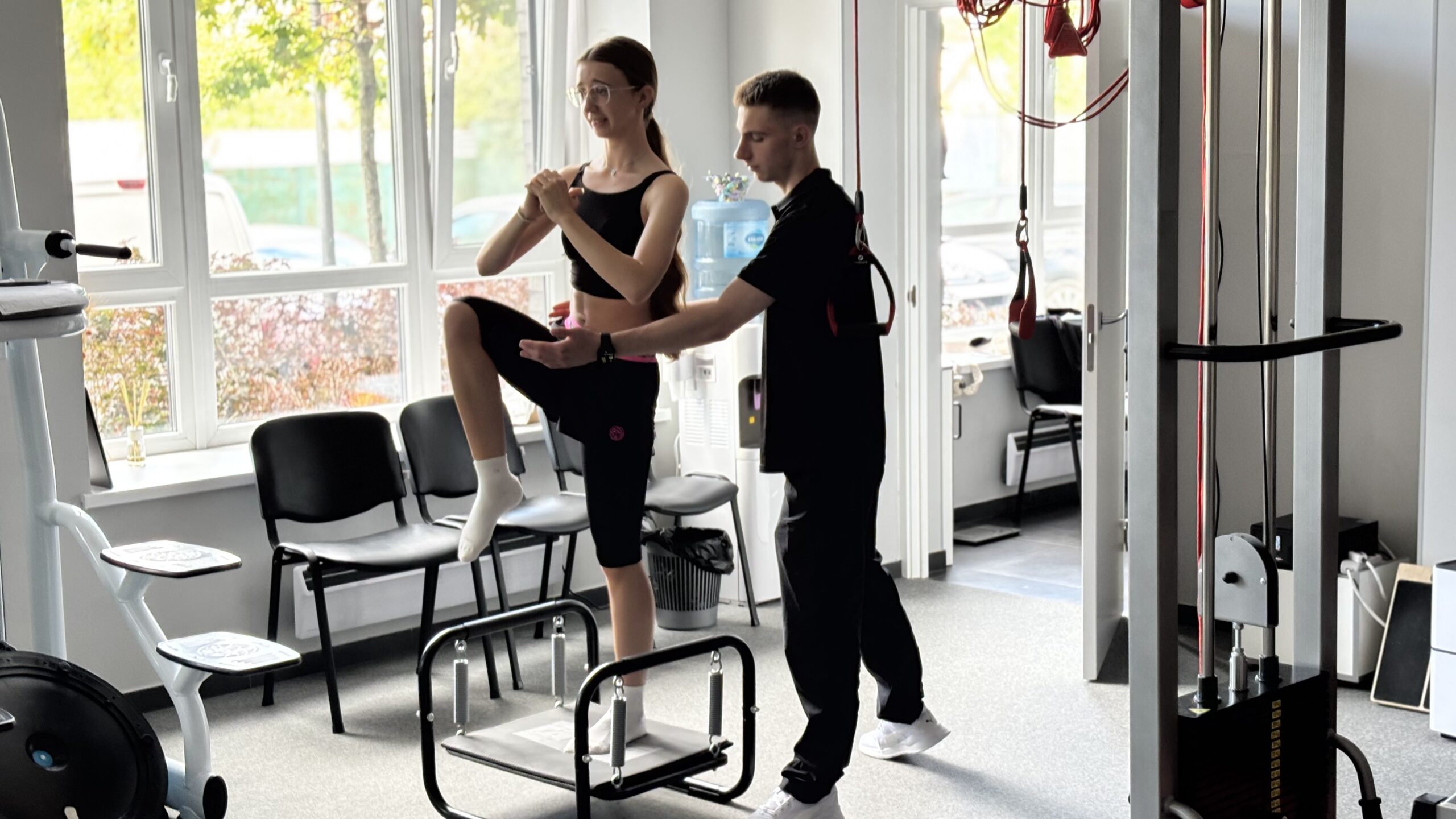
Massage, topical treatments, electrophoresis, or manual therapy can be useful additions during the early stages of recovery. However, they do not produce lasting changes in muscle strength or control and do not establish appropriate movement patterns on their own. Active rehabilitation (controlled therapeutic exercise) should form the core of the recovery process.
Mistake 6: Failing to Modify Daily Habits
You may perform your exercises perfectly at the gym, but if you spend the other 8 hours sitting in a slouched position, lift heavy objects with a rounded back, or sleep on an uncomfortable mattress, your symptoms may return. Recovery also requires adjustments to workplace ergonomics and everyday movement habits.
Mistake 7: Self-Treatment and Lack of an Individualized Plan
Following exercise programs found online without an initial assessment can sometimes do more harm than good. What works for one person may be inappropriate for another, as every injury, age group, and fitness level requires an individualized approach to range of motion, resistance, and movement patterns.
Comparing Approaches: Passive Treatment or Active Physical Therapy?
To understand why pain returns, it is helpful to compare two main approaches to recovery:
| Parameter | Passive approach (topical treatments, massage, rest) | Active physical therapy (exercise, progression) |
| Primary goal | Rapid relief of acute symptoms | Restoring function and adapting tissues to physical demands |
| Patient’s role | Passive (waiting for the treatment to take effect) | Active (consciously working with the body) |
| Effect on muscles | Temporary relaxation | Improved strength, endurance, and motor control |
| Risk of recurrence | Higher (underlying factors may remain unaddressed) | Lower (capacity to tolerate physical loads is developed) |
| Long-term effect | Short-term | Long-lasting and sustainable |
How to Break the Cycle of Recurring Pain: A Step-by-Step Approach
To achieve lasting improvement and return to a full and active life, follow a structured plan:
- Undergo a functional assessment. Consult a specialist who will evaluate not only your MRI findings but also your movement patterns, muscle strength, and joint range of motion.
- Follow the principles of progressive overload. Gradually increase exercise difficulty and resistance, generally by no more than 5–10% per week.
- Strengthen the deep stabilizing muscles. Focus on the muscles of the trunk and core that help maintain proper spinal alignment and control.
- Manage stress and prioritize sleep. Insufficient sleep can increase inflammatory activity and intensify pain sensitivity. (According to research published in Sleep Medicine Reviews, sleep deprivation is directly associated with increased pain sensitivity.)
- Make physical activity part of your lifestyle. Exercises for back or joint pain should become a regular habit rather than a temporary measure.
FAQ
Is it normal to feel discomfort while performing rehabilitation exercises?
Mild discomfort or a feeling of tension (around 2–3 out of 10 on the pain scale) may be acceptable if it decreases after the exercise session. However, sharp or severe pain is a signal to modify the range of motion or reduce the load.
How long should rehabilitation after an injury or surgery take?
The duration depends on the type of tissue involved. Tendons and ligaments may require 3 to 6 months to recover, while neuromuscular adaptation typically requires at least 8–12 weeks of consistent training.
What should I do if the pain returns after several months?
Do not panic. Minor flare-ups can occur during the recovery process. Reduce the intensity of physical activity for a few days, consult a physical therapist to adjust your program, and make sure you are allowing adequate time for rest and recovery.
Expert Summary
The return of pain is not a verdict and does not mean you should give up physical activity. In many cases, it is a signal that the recovery process has not been fully completed or that the body has been exposed to a load it is not yet prepared to handle.
Properly tailored physical therapy, a mindful approach to everyday movement, and consistency are the most reliable ways to support a life with less pain and a lower risk of recurrent injury. Start changing your approach today, and your body can respond with greater health, strength, and resilience.