



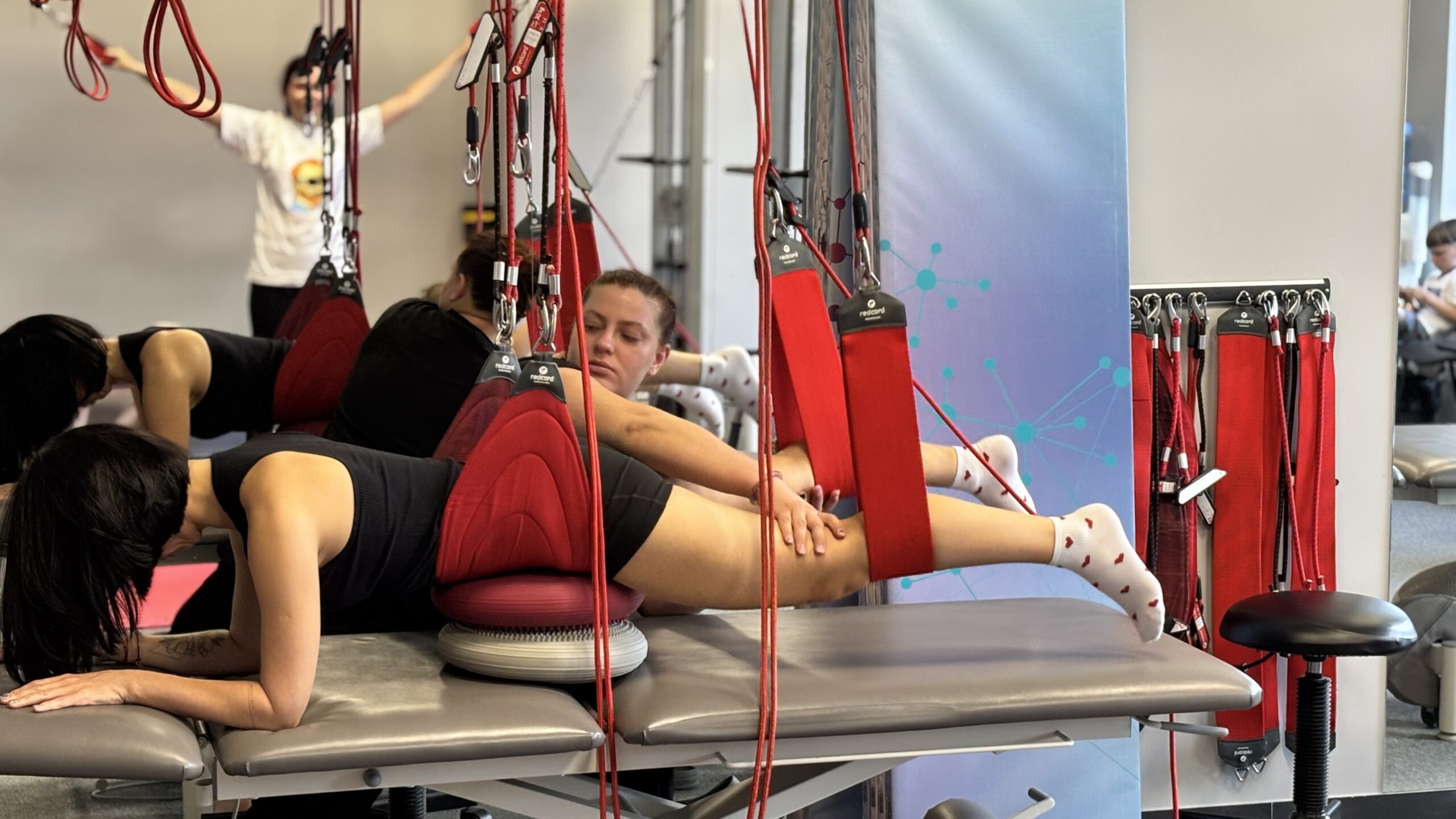
Back pain after a workday, persistent joint stiffness, or injuries that keep coming back are not simply signs of fatigue. Our bodies often signal biomechanical problems before they lead to more serious injuries. A comprehensive functional assessment by a physical therapist can help identify the underlying cause of discomfort and address movement-related factors that may contribute to tissue overload.
In this article, we will explore 5 key signs that your body may benefit from a professional movement assessment and how it can help restore your quality of life.
What Is a Functional Assessment and Why Doesn’t an MRI Always Provide the Answers?
When pain appears, many people immediately turn to an MRI or X-ray. However, imaging studies primarily show anatomical structures and structural changes, such as disc herniation, fractures, or signs of inflammation, but they do not necessarily explain why the problem developed.
A comprehensive functional assessment by a physical therapist evaluates the body in motion. It can identify muscle imbalances, compensatory movement patterns, and biomechanical factors that may contribute to excessive stress on the joints and spine.
| Comparison parameter | Imaging (MRI / CT / X-ray) | Functional assessment |
| What it evaluates | Structural condition of tissues (bones, cartilage, ligaments) | Movement quality and symmetry, and muscle function during movement |
| Purpose | Identify pathology or structural damage | Identify biomechanical factors contributing to the problem |
| Outcome | Imaging findings and diagnosis (for example, a disc herniation) | An individualized physical therapy and movement correction plan |
5 Warning Signs: When You Should See a Physical Therapist
1. Chronic or Recurrent Pain Without a Clear Structural Cause
If an MRI does not show significant abnormalities but back or joint pain keeps returning, altered load distribution may be contributing to the problem. When one muscle becomes less active due to fatigue, pain, or protective muscle guarding, other muscles may compensate by taking on more of the workload. Over time, this can contribute to persistent muscular pain and discomfort.
2. Stiffness and Limited Range of Motion
Can you no longer bend down comfortably to tie your shoes or raise your arm without shoulder discomfort? Limited range of motion can be a sign of joint restrictions, soft-tissue limitations, or changes in muscle function. Professional range-of-motion testing helps determine which specific joint or spinal segment may have reduced mobility.
3. Recurrent Injuries During the Same Activities
This issue is particularly relevant for athletes, military personnel, and veterans. If you repeatedly strain the same ligament or experience pain in the same knee while running or walking, the problem may not simply be “weak joints.” An altered movement pattern or insufficient physical capacity may be contributing factors that can be addressed through specialized injury rehabilitation.
4. Body Asymmetry and Discomfort During Prolonged Sitting
People with sedentary jobs often experience asymmetry in shoulder or pelvic position, as well as persistent neck discomfort. A sedentary lifestyle can contribute to postural changes and reduced strength of the core muscles. A functional assessment can help identify which muscle groups may benefit from strengthening and which may require improved mobility or relaxation.
5. Recovery After Surgery or Prolonged Immobilization
Even after successful surgery, the body may develop altered movement patterns as it adapts to the injury and recovery process. Recovery after surgery requires a controlled and progressive return to physical activity. A physical therapist assesses the readiness of muscles and joints for increasing activity and helps reduce the risk of recurrent injury.
What Happens During a Functional Assessment: What to Expect at Your Appointment
The assessment process is generally safe and should not cause significant or sharp pain. It consists of several stages:
- Medical history: A detailed discussion of your lifestyle, previous injuries, and current symptoms.
- Static visual assessment: Evaluation of the alignment and symmetry of the pelvis, spine, shoulder blades, and feet.
- Manual muscle testing: Assessment of the strength and function of individual muscles.
- Functional movement testing: Performing basic movements such as squats, lunges, and bending to assess movement patterns and biomechanics.
- Individualized treatment planning: Development of a personalized physical therapy program.
According to research in sports medicine and rehabilitation ([source: PubMed/Journal of Orthopaedic & Sports Physical Therapy]), timely functional movement assessment may help identify risk factors associated with recurrent lower-extremity injuries.
FAQ
Does a functional assessment replace a consultation with an orthopedic physician or neurologist?
No. These approaches complement each other. A physician establishes a medical diagnosis and may prescribe medication or other medical treatment when appropriate, while a physical therapist evaluates physical function and movement patterns and addresses biomechanical factors that may contribute to symptoms.
How long does a functional assessment take?
An initial functional assessment typically takes between 45 and 60 minutes.
Summary: A Step Toward a Life With Less Pain
Ignoring the early signals from your body can allow compensatory movement patterns to persist and may contribute to more complex problems. A thorough functional assessment by a physical therapist is an investment in safe everyday movement, athletic performance, and long-term physical function. Don’t wait until pain becomes persistent — consider consulting a professional when the first signs of recurring discomfort appear.