



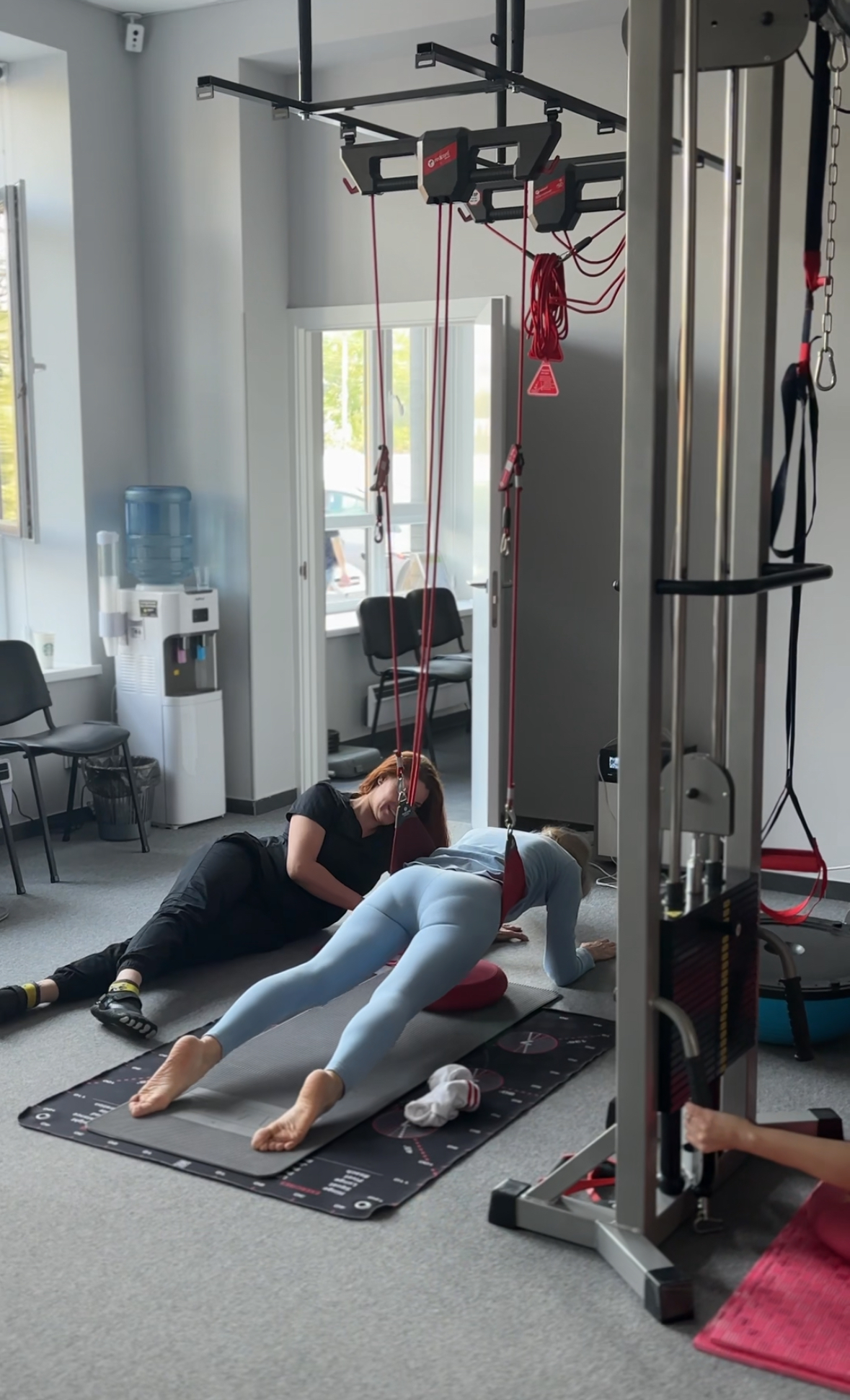
Rehabilitation is an important stage of recovery after injuries, operations or illnesses. The choice of rehabilitation methods depends on the individual case, but there are several generally accepted effective methods to help clients return to normal life. In this article, we will consider the most effective methods of rehabilitation.
1. Physical therapy
Main advantages
Physical therapy is one of the most common and effective methods of rehabilitation. It helps restore mobility, strengthen muscles and improve general health.
- Individual programs: developed taking into account the needs of the client.
- Improved functionality: helps restore normal body functions.
- Pain reduction: using special techniques to reduce pain.
2. Occupational therapy
Recovery of skills
Occupational therapy is aimed at restoring skills necessary for everyday life. It helps clients adapt to new conditions and return to normal activities.
- Adaptation of tasks: helps to adapt everyday tasks to the capabilities of the client.
- Psychological support: promotes emotional recovery.
- Development of fine motor skills: training of fine motor skills and coordination.
3. Massage therapy
Relaxation and recovery
Massage therapy is an effective method for reducing pain, relieving muscle tension and improving blood circulation.
- Relieves tension: helps relieve muscle tension.
- Improving blood circulation: promotes better blood supply to tissues.
- Reduces Swelling: Helps reduce swelling and improve lymphatic circulation.
4. Hydrotherapy
Use of water
Hydrotherapy uses the properties of water for rehabilitation. Water reduces stress on joints and muscles, making this method especially useful for clients with limited mobility.
- Reduced load: water reduces the load on the joints.
- Improves mobility: Helps restore mobility.
- Relaxation: promotes general relaxation.
5. Psychological therapy
Emotional health
Psychological therapy is an important component of rehabilitation, especially for clients who have experienced major trauma or surgery. It helps to cope with emotional difficulties and maintain motivation for rehabilitation.
- Psychological support: consultations with a psychologist or psychotherapist.
- Group therapy: participation in group sessions.
- Positive thinking: development of positive thinking.
6. Use of auxiliary means
Environment adaptation
The use of assistive devices and adaptation of the environment can greatly facilitate the rehabilitation process.
- Walkers and crutches: help maintain balance.
- Orthoses and prostheses: use of special devices.
- Housing modification: adaptation of living conditions for convenience.
7. Therapeutic gymnastics
Exercises for recovery
Therapeutic gymnastics includes special exercises aimed at restoring body functions. It helps strengthen muscles, improve coordination and increase mobility.
- Individual programs: development of individual exercise programs.
- Improving coordination: exercises to improve coordination.
- Muscle strengthening: exercises to strengthen muscles.
8. Physiotherapy
Use of devices
Physiotherapy uses various machines for recovery and rehabilitation. These can be ultrasound machines, electrical stimulators and other devices.
- Ultrasound therapy: the use of ultrasound for recovery.
- Electrostimulation: stimulation of muscles using electrical impulses.
- Laser therapy: using a laser for recovery.
9. Diet therapy
Proper nutrition
Proper nutrition is an important component of rehabilitation. A balanced diet promotes rapid healing of wounds, strengthening of the immune system and restoration of energy.
- Protein products: inclusion in the diet of meat, fish, eggs and dairy products.
- Vitamins and minerals: consumption of vegetables, fruits and nuts.
- Hydration: drinking enough water.
10. Alternative methods
Complementary therapy
Alternative rehabilitation techniques such as acupuncture, yoga, and meditation may be helpful for some clients. They help relieve stress, improve general health and promote relaxation.
- Acupuncture: The use of needles to stimulate specific points on the body.
- Yoga: Exercises to improve flexibility and relieve stress.
- Meditation: relaxation techniques and stress relief.
Conclusion
The choice of rehabilitation methods depends on the specific case and the client’s needs. The most effective methods are those that take into account the individual characteristics and needs of the client, providing a comprehensive approach to recovery. By following the recommendations of the rehabilitator and using various rehabilitation methods, you will be able to achieve maximum results and return to a normal life.
FAQ
1. What rehabilitation methods are most effective for recovery after surgery?
The most effective methods of rehabilitation after surgery are physical therapy, occupational therapy, massage therapy, and hydrotherapy. They help restore mobility, reduce pain and improve general health.
2. How long does rehabilitation take after an injury?
The duration of rehabilitation depends on the type and severity of the injury, as well as on the individual characteristics of the client. Usually, rehabilitation can last from several weeks to several months.
3. Is it possible to do rehabilitation at home?
Yes, some exercises and rehabilitation methods can be performed independently at home, but it is important to consult a doctor or therapist to avoid complications and achieve maximum results.
4. What products should be included in the diet during rehabilitation?
During rehabilitation, it is important to include protein products (meat, fish, eggs, dairy products), vegetables, fruits and nuts in the diet. It is also important to drink enough water.
5. Does psychological support help during rehabilitation?
Yes, psychological support is an important component of rehabilitation. It helps to cope with emotional difficulties, maintain motivation and maintain a positive mood.