



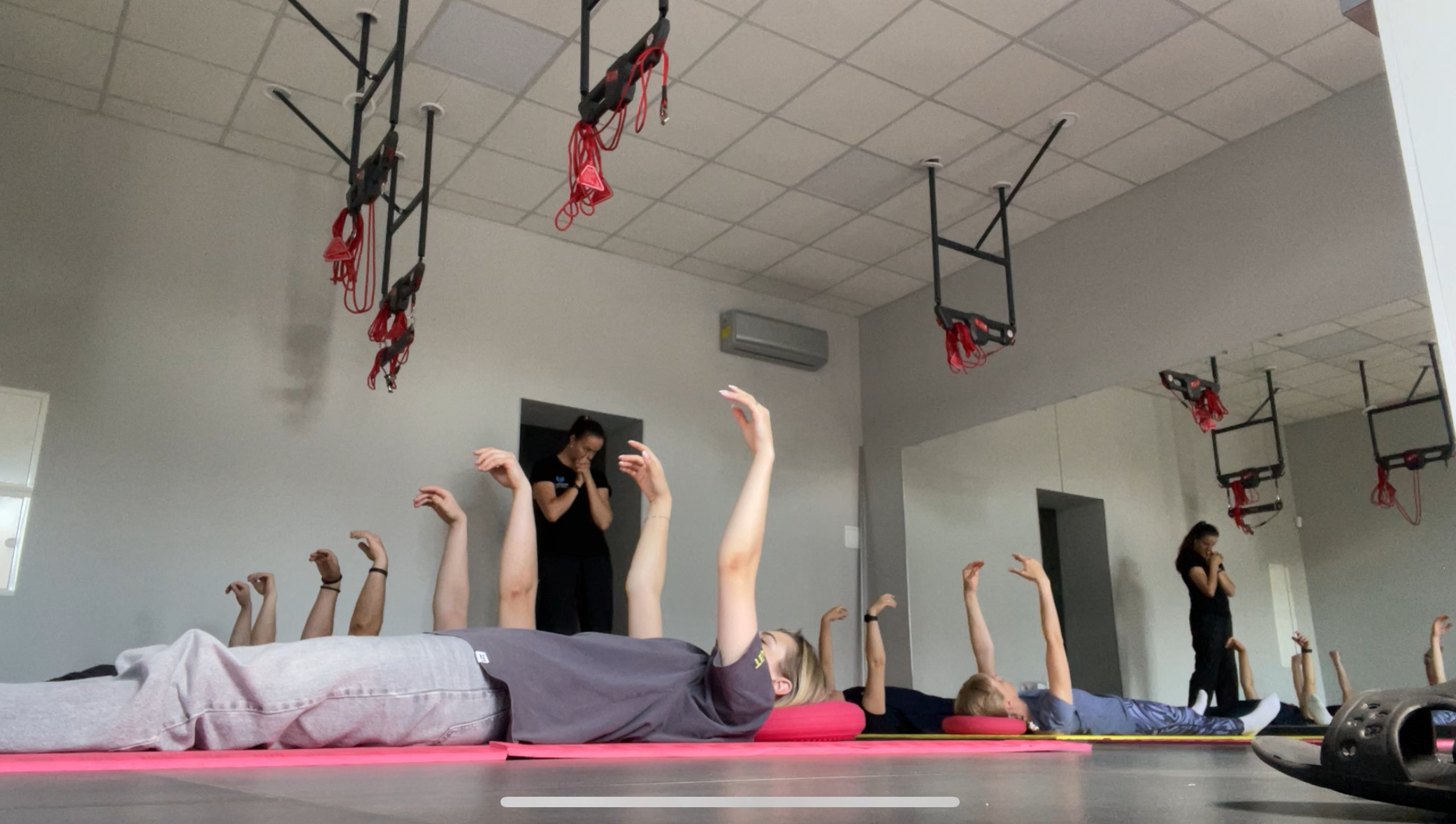
Successful rehabilitation is the result of a comprehensive approach that includes the physical, psychological and social aspects of the client’s recovery. Determining the success of rehabilitation depends on the specific goals set by the client and his doctor. In this article, we will consider the main indicators that determine the success of the rehabilitation process .
The main indicators of successful rehabilitation
Physical indicators
- Restoration of mobility: Improvement of the amplitude of movements in the joints and restoration of normal muscle functionality.
- Pain Reduction: Reduction or complete elimination of pain that interferes with normal functioning.
- Increase in strength and endurance: Restore muscle strength and endurance to a level that allows you to perform everyday tasks.
- Improving coordination and balance: Restoring the ability to coordinate movements and maintain balance.
Psychological indicators
- Mood improvement: Lowering the level of anxiety and depression, improving the general mood.
- Increasing motivation: Increasing the desire to participate in rehabilitation activities and achieve the set goals.
- Improvement of self-esteem: Restoration of self-confidence and ability to live independently.
Social indicators
- Recovery of social activity: Returning to work, study or other social activities.
- Improved quality of life: Overall improvement in quality of life, including physical, psychological and social well-being.
- Reduced dependence on assistance: Reducing the need for outside assistance to perform daily tasks.
Methods of evaluating the success of rehabilitation
Objective methods
- Physical Functionality Testing: Use of specific tests to assess mobility, strength, endurance and coordination.
- Medical examinations: Regular medical examinations to assess the state of health and the progress of rehabilitation.
- Pain monitoring: Using pain scales to assess pain intensity and changes during the rehabilitation process.
Subjective methods
- Client survey: Using questionnaires and questionnaires to assess the client’s psychological state, mood and quality of life.
- Client Interview: Conducting an interview to obtain detailed information about subjective feelings and assess progress.
Recommendations for achieving successful rehabilitation
- Individual approach: Development of an individual rehabilitation plan that takes into account the client’s characteristics and needs.
- Regular monitoring: Continuous monitoring of rehabilitation progress and adjustment of the plan as necessary.
- Multidisciplinary approach: Involvement of various specialists, such as physiotherapists, psychologists, occupational therapists and others.
- Active participation of the client: Motivation of the client to actively participate in the rehabilitation process and fulfill all the recommendations of the doctor.
Conclusion
Successful rehabilitation is determined by a complex of physical, psychological and social indicators . It is important to consider the individual characteristics of the client and use different assessment methods to determine progress. By following the doctor’s recommendations and actively participating in the rehabilitation process, the client can achieve a significant improvement in the quality of life.
FAQ
1. What are the main physical indicators of successful rehabilitation?
Key physical benefits include regaining mobility, reducing pain, increasing strength and endurance, and improving coordination and balance.
2. How is the client’s psychological state assessed during rehabilitation?
The psychological state is assessed using questionnaires, interviews and special tests that allow to determine the level of anxiety, depression, motivation and self-esteem.
3. What social indicators indicate successful rehabilitation?
Social indicators include restoration of social activity, improvement of quality of life and reduction of dependence on external aid.
4. What methods are used to assess the success of rehabilitation?
Objective methods, such as physical function testing and medical examinations, as well as subjective methods, such as questionnaires and client interviews, are used to assess the success of rehabilitation.
5. How can successful rehabilitation be achieved?
Achieving successful rehabilitation is possible with the help of an individual approach, regular monitoring, multidisciplinary approach and active participation of the client in the rehabilitation process.