



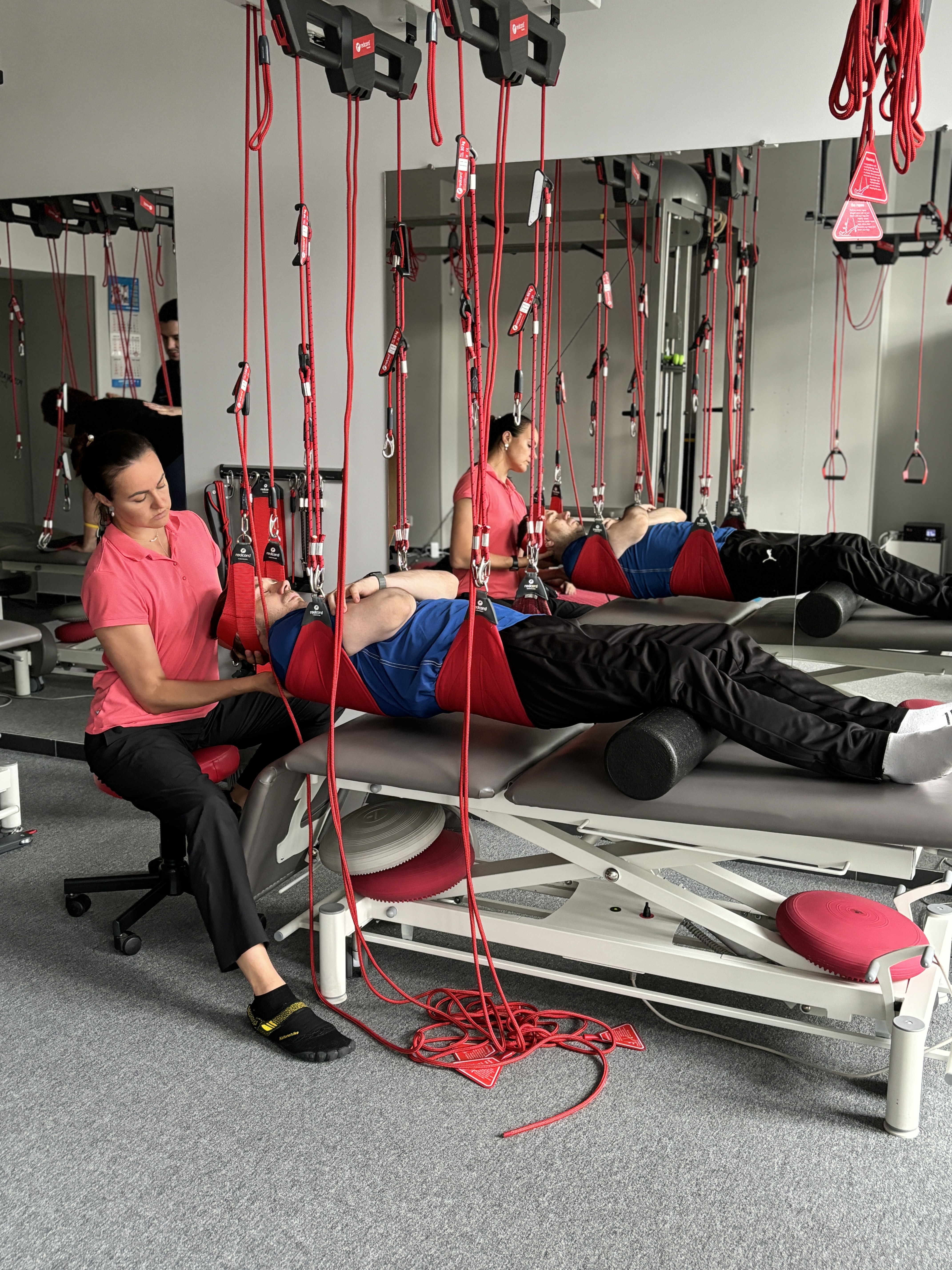
Physical therapy is an important component of medical rehabilitation that aims to restore functionality, reduce pain, and improve the overall health of clients. In this article, we will look at the main aspects of physical therapy, its effects on health and the benefits it provides.
What is physical therapy?
Physical therapy is a medical specialty that uses physical rehabilitation techniques such as exercise, manual therapy, electrotherapy, and other techniques to restore and improve clients’ physical functionality. The main tasks of physical therapy are:
- Pain reduction
- Restoring mobility
- Increase in strength and endurance
- Improving coordination and balance
Impact of therapy on health
Pain reduction
Therapy helps reduce pain through various methods, such as:
- Manual therapy: Massage, mobilization and manipulation of joints.
- Electrotherapy: Using electrical impulses to reduce pain and inflammation.
- Heat and cold therapy: Using heat or cold to reduce pain and swelling.
Restoring mobility
Physical therapy helps to restore the mobility of joints and muscles with the help of:
- Stretching: Stretching exercises to increase range of motion.
- Active exercises: Exercises that the client performs independently to improve mobility.
- Passive exercises: Exercises performed by the therapist for the client.
Increase in strength and endurance
Physical therapy helps increase muscle strength and endurance by:
- Strength training: Using body weight, dumbbells or exercise machines to strengthen muscles.
- Cardio exercise: Endurance exercise such as walking, running or swimming.
Improving coordination and balance
Physical therapy helps improve coordination and balance by:
- Balance exercises: Using special exercises to improve the ability to maintain balance.
- Coordination exercises: Exercises aimed at improving coordination of movements.
Benefits of therapy
Prevention of injuries
Regular physical therapy sessions help strengthen muscles and joints, which reduces the risk of injury. This is especially important for athletes and people who lead an active lifestyle.
Improving the quality of life
Physical therapy contributes to the improvement of the general state of health, which positively affects the quality of life of clients. Restoring mobility and reducing pain allows clients to return to normal life and perform daily tasks without limitations.
Psychological support
Therapy also provides psychological support to clients, helping them overcome the anxiety and depression that often accompany injuries and illnesses. Regular classes help increase self-esteem and motivation.
Methods of therapy
Manual therapy
Manual therapy includes massage, mobilization, and joint manipulation to help reduce pain, improve circulation, and restore mobility.
Electrotherapy
Electrotherapy uses electrical impulses to stimulate muscles, reduce pain and inflammation. This may include techniques such as TENS (transcutaneous electrical nerve stimulation) and ultrasound therapy.
Heat and cold therapy
Heat and cold therapy are used to reduce pain and swelling. Heat helps relax muscles and improve circulation, while cold reduces inflammation and swelling.
Stretching and strengthening exercises
Stretching exercises help increase range of motion, while strengthening exercises help increase muscle strength and endurance.
Conclusion
Therapy is an important component of medical rehabilitation that helps reduce pain, restore mobility, increase strength and endurance, and improve coordination and balance. Regular therapy sessions help improve clients’ quality of life and prevent future injuries.
FAQ
1. What is physical therapy?
Therapy is a medical specialty that uses physical rehabilitation techniques to restore and improve clients’ physical functionality.
2. What methods of therapy exist?
Basic therapy methods include manual therapy, electrotherapy, heat and cold therapy, and stretching and strengthening exercises.
3. How does therapy help reduce pain?
Therapy helps reduce pain through manual therapy, electrical therapy, heat and cold therapy, and special exercises.
4. What are the benefits of therapy?
Benefits of therapy include pain reduction, restoration of mobility, increased strength and endurance, improved coordination and balance, injury prevention, improved quality of life, and psychological support.
5. How often should you do therapy?
The frequency of therapy sessions depends on the client’s individual needs and the doctor’s recommendations. It is usually recommended to exercise several times a week for optimal results.