



From therapeutic exercise to modern physical therapy: history and current trends.
Historical development of therapeutic gymnastics and physical therapy
Physical therapy (PT) – the use of physical exercises for therapeutic and prophylactic purposes – has deep historical roots. Even in ancient times, doctors of different cultures noticed the healing effect of movement: in China (3rd–2nd millennium BC) breathing exercises (Fig. 1), passive movements, resistance exercises and massage for the treatment of diseases were described. In ancient India
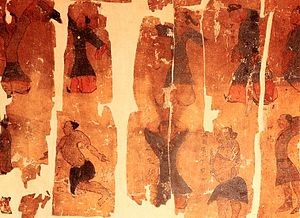 (Fig. 1)
one of the oldest health systems arose – Hatha Yoga, which combined static postures, special breathing techniques and concentration of attention to achieve physical and spiritual balance. In Greece (5th century BC) the doctor Herodicus considered walking, running and gymnastics as therapeutic means, and Hippocrates introduced the principle of “do no harm” and the concept of dosing physical exercises for patients. The famous Roman doctor Galen (2nd century AD) also used therapeutic gymnastics to rehabilitate wounded gladiators, systematizing knowledge about exercises and massage.
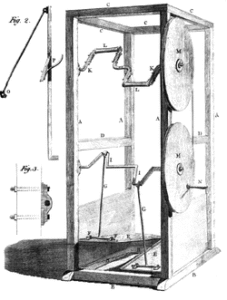
After a period of medieval stagnation in medicine, interest in therapeutic gymnastics was renewed in the Renaissance. In 1556, the Italian Girolamo Mercuriali published the treatise De Arte Gymnastica, “The Art of Gymnastics,” where he considered physical exercises as part of medicine. Further scientific foundations were laid by research in anatomy and physiology: in the late 18th and early 19th centuries, the first rehabilitation devices such as the Gymnasticon for joint development were invented (History of Physiotherapy)
(Fig. 2).
 The emergence of physical therapy as a separate discipline occurred in the 19th and 20th centuries. In 1813, the Swede Per Henrik Ling founded the Royal Central Institute of Gymnastics in Stockholm, a school that trained “medical gymnasts” using exercises, massage, and manipulation for health purposes (Per Henrik Ling | Swedish physical educator | Britannica). As early as 1887, in Sweden, specialists in therapeutic gymnastics received official recognition and registration as “hospital gymnasts” (History of Physiotherapy). Around the same time, in Great Britain (1894), four nurses founded the Chartered Society of Physiotherapy, the first professional association of physiotherapists (History of Physiotherapy). In the following decades, physical therapy training programs appeared in various countries: for example, in 1913, a school of physiotherapy was opened at the University of Otago (New Zealand) (photo 1), and in 1914, a course for training rehabilitation assistants (reconstruction aides) in the USA (History of Physiotherapy).

(photo 1)
Events in the early 20th century stimulated the development of physical rehabilitation. During World War I and the polio epidemic of 1916, the need arose to rehabilitate thousands of patients with movement disorders (Fig. 3). Military hospitals employed specially trained personnel – so-called “rehabilitation assistants” – to restore the functions of wounded soldiers (History of Physiotherapy).
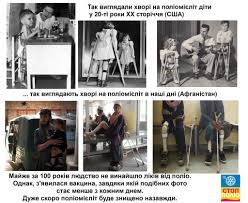 (Fig. 3)
In 1918, the term “Reconstruction Aide” was officially introduced in the United States for physical therapy specialists, and the first school of physical therapists was opened at Walter Reed Military Hospital (Washington) (History of Physiotherapy). In 1921, Mary Macmillan organized the American Physical Therapy Association, and soon physical therapy established itself as a key method of rehabilitation for polio patients, as evidenced by the activities of the Warm Springs Foundation under the leadership of President F.D. Roosevelt (himself a patient with the consequences of polio) (History of Physiotherapy).
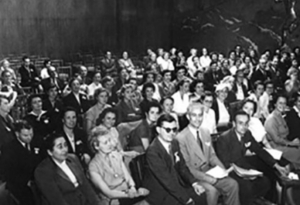
In the second half of the 20th century, physical therapy gained global recognition. In 1951, 11 national associations merged to form the World Confederation of Physical Therapy (WCPT), now known as World Physiotherapy, representing the interests of over 600,000 physical therapists from 129 countries (Our history | World Physiotherapy) (Fig. 4). Physical
(Fig. 4)
Rehabilitation has become an integral part of the healthcare systems of developed countries: physiotherapists work not only in hospitals, but also in outpatient clinics, rehabilitation centers, schools, sports organizations and geriatric institutions.
In Ukraine, the concept of exercise therapy was officially introduced into medicine in the middle of the 20th century. Research institutions dedicated to therapeutic physical education were created, in particular the Kyiv Research Institute of Medical Problems of Physical Education organized by Professor Ivan Muravov.
The outstanding Ukrainian cardiac surgeon, Academician Mykola Amosov, also made a significant contribution to the popularization of health training, having become convinced of the exceptional role of physical activity in strengthening health from his own experience.
At the beginning of the 21st century, the terminology and approaches were revised in accordance with international standards: instead of the narrow concept of “therapeutic physical education”, specialists moved to a broader concept of physical therapy, which includes not only gymnastics, but also other rehabilitation methods. Today, physical therapists are independent health care professionals who collaborate with doctors and other professionals to restore patients’ functional capabilities (photo 2).
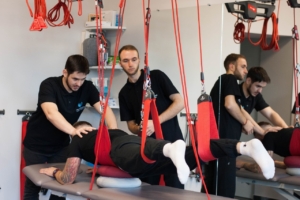 (photo 2)
Read in the next article about new concepts in physical therapy of the 20th–21st centuries…