



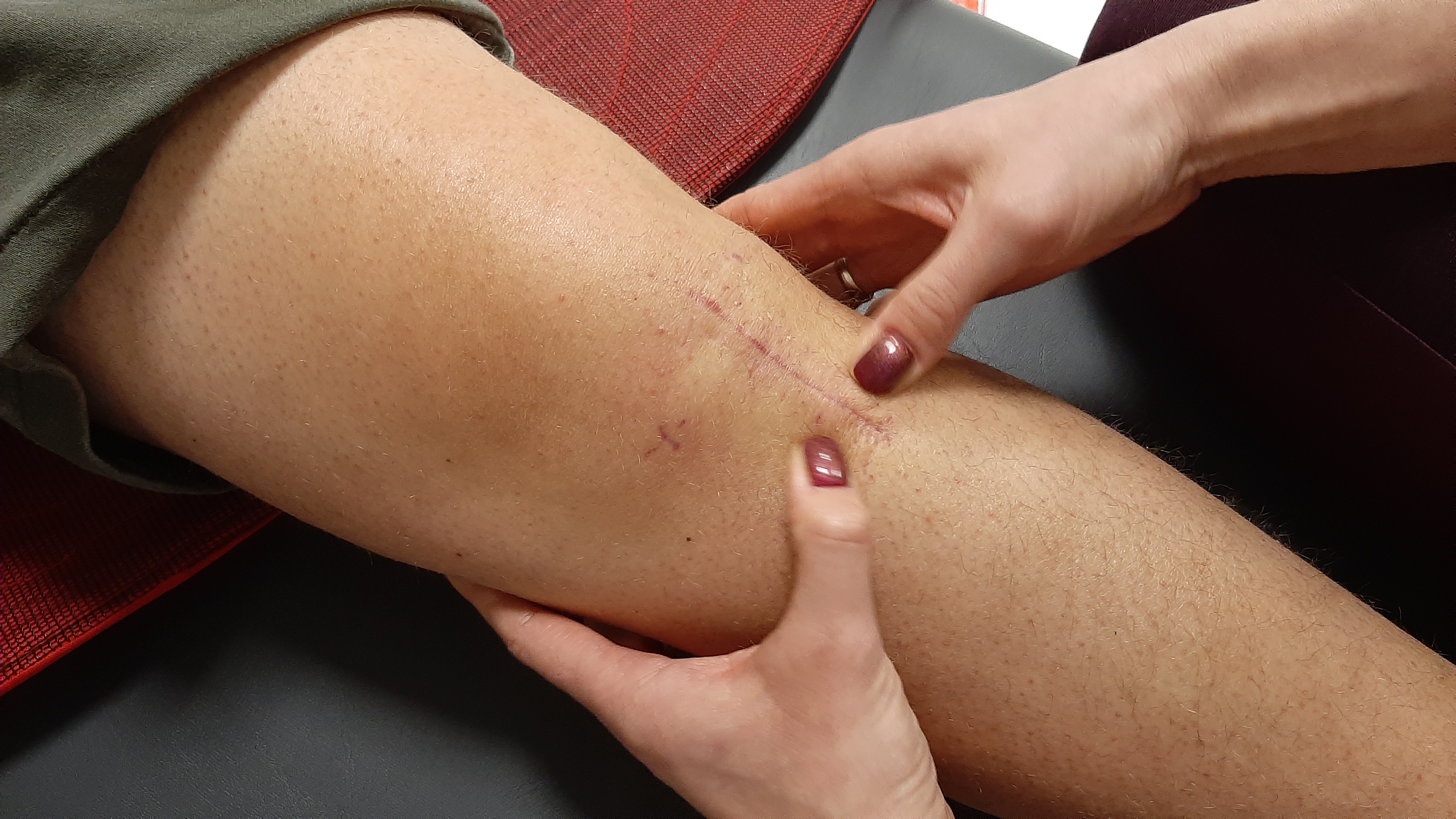
Rehabilitation after anterior cruciate ligament (ACL) reconstruction surgery is an important part of recovery and helps patients return to normal physical activities and sports.
The rehabilitation plan after ACL reconstruction surgery can be personalized depending on the type of operation, the complexity of the injury, individual body characteristics, comorbidities, and other factors. The main principles of rehabilitation typically include the following:
1. Postoperative Period
In the first few days after surgery (2-3 days), bed rest is recommended. The leg will be immobilized with a brace or splint, without bending at the knee joint. Sometimes, the doctor may prescribe compression garments. The leg should be elevated above the level of the hips, on a pillow. During these days, simple foot exercises are recommended, such as flexion, extension, and circular movements of the foot, as well as toe flexion and extension. Movement should be assisted with crutches or a walker. Try to minimize time spent in a standing position to reduce swelling in the knee.
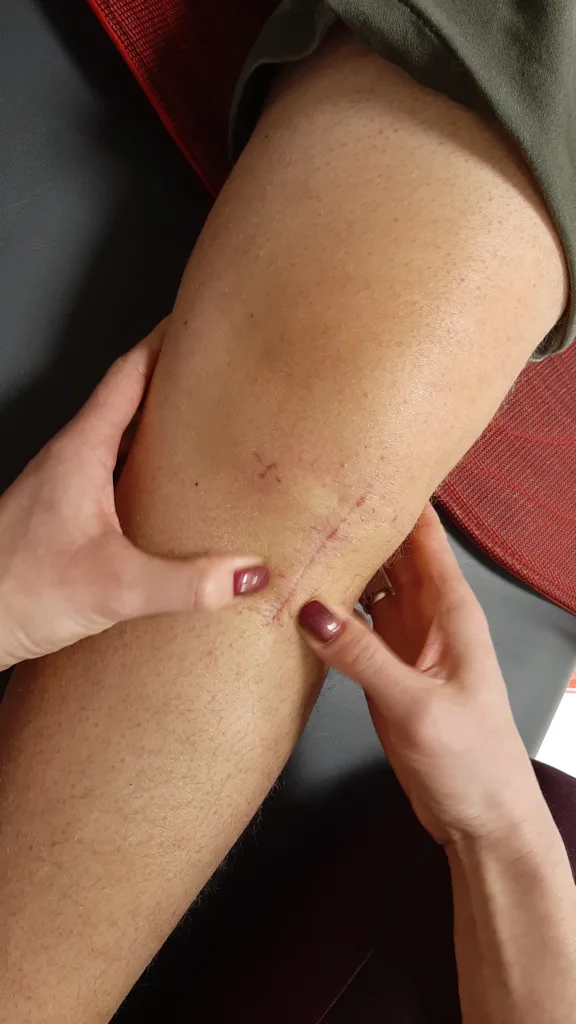
In our rehabilitation center, rehabilitation begins as early as 3-4 days after the surgical procedure. Specialists use gentle techniques on muscles and remote joints, away from the operative zone. We take into account individual body characteristics, overall physical condition, and emotional readiness for rehabilitation.
2. Treatment and Fixation
Recovery of the anterior cruciate ligament (ACL) often requires surgical intervention. However, there are situations where a patient may manage without surgery. In such cases, the ligament was partially damaged, without complete rupture, and there will be no need for extensive physical loads in the future.
During the surgery, the ligament is reconstructed using tissue implants from your own body. The necessary method of fixation is chosen by the doctor in consultation with you, considering your mobility and preferences. It is important to follow medical recommendations for wound care and take anti-inflammatory medication, if necessary, during the postoperative period.
3. Physical Therapy
Physical therapy plays a crucial role in restoring knee function after anterior cruciate ligament reconstruction. A physical therapist develops a personalized program, including therapeutic exercises to strengthen thigh and calf muscles, exercises to restore range of motion in the joint, and functional training. The program gradually increases the load on the knee.

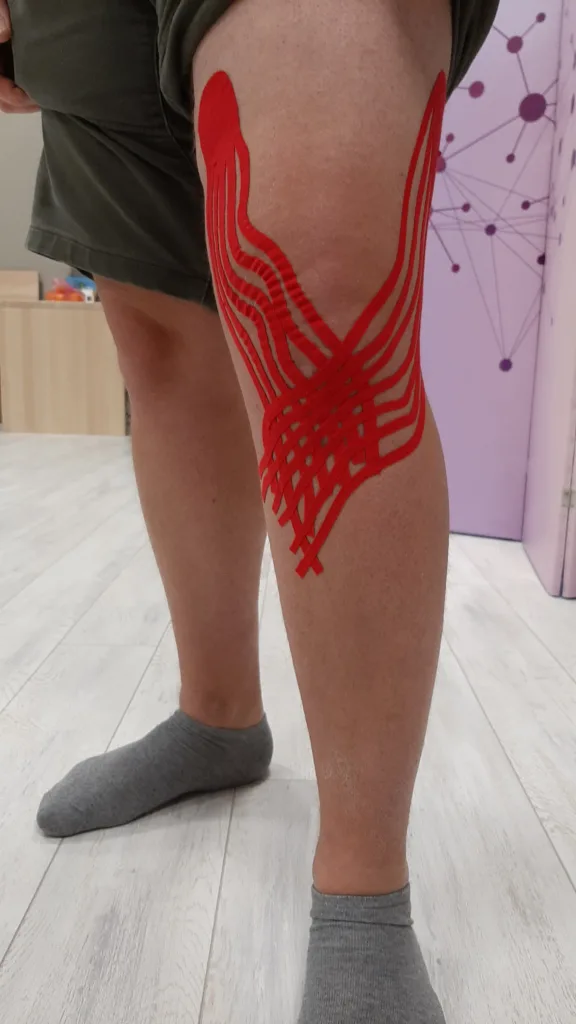
We initiate active rehabilitation from the first days after the surgical procedure. Initially, we employ gentle massage and fascial techniques to improve blood circulation and overall muscle tone of the thigh and calf. We work on scar tissue elasticity as it plays a crucial role in restoring full range of motion in the joint. Manual techniques are utilized for joint mobilization, passive, passive-active, and active exercises for gradual muscle strengthening. If necessary, we utilize kinesiotaping, flossing, dry needling, cupping, instrument-assisted soft tissue mobilization (IASTM), percussion massage, electromyostimulation, and other modalities.
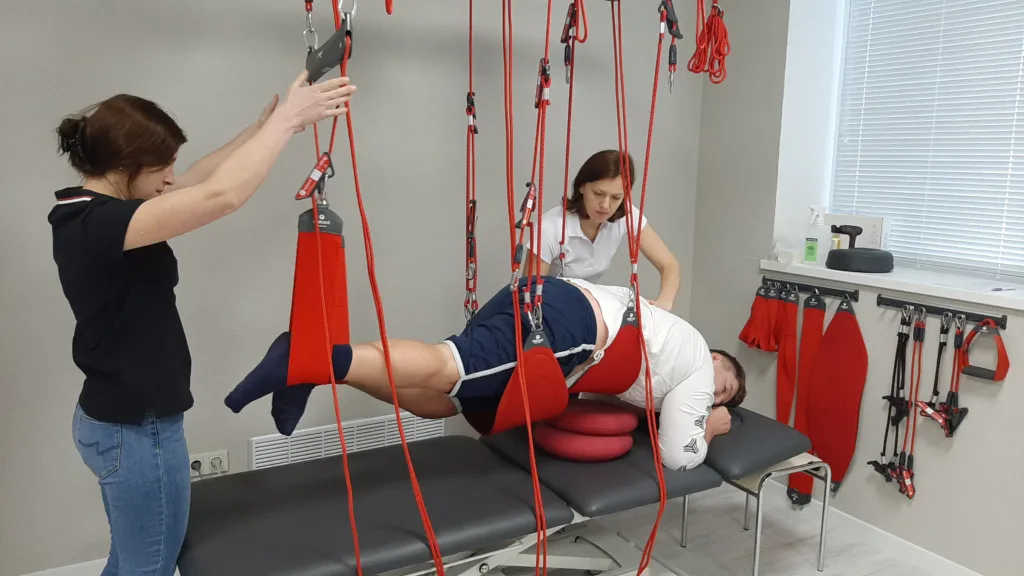
We utilize the Norwegian Neurac methodology to activate muscles and balance the entire body, employing modern Redcord equipment. The load gradually increases, and we transition to functional standing exercises.
4. Removal of the brace or orthosis
At the end of the first or second week, individually in each case, the brace is replaced with a stabilizing orthosis. Under the doctor’s supervision, the knee flexion angle is increased by 10-15 degrees each week.
5. Functional Recovery
After restoring the mobility of the knee, you will be allowed to return to normal activities and sports. It is important to follow the recommendations of your doctor and physical therapist regarding the return to sporting activities.
Our team of specialists develops a rehabilitation program tailored to your individual goals for the future. Specific tasks are set for a certain period of time. Timely assessment and functional diagnostics of the body and knee readiness for loading are carried out.

6. Psychological Support
Rehabilitation after anterior cruciate ligament reconstruction can be physically and emotionally challenging. Psychological support and therapy can help the patient overcome stress and anxiety. If you find it difficult to cope with tasks, pain, and fear at home—such as bending the knee causing pain or fear of damaging the reconstruction—working with professionals is essential. They will explain the details, anatomy, physiology, biomechanics, and provide emotional support. If needed, they will refer you to a specialized therapist.
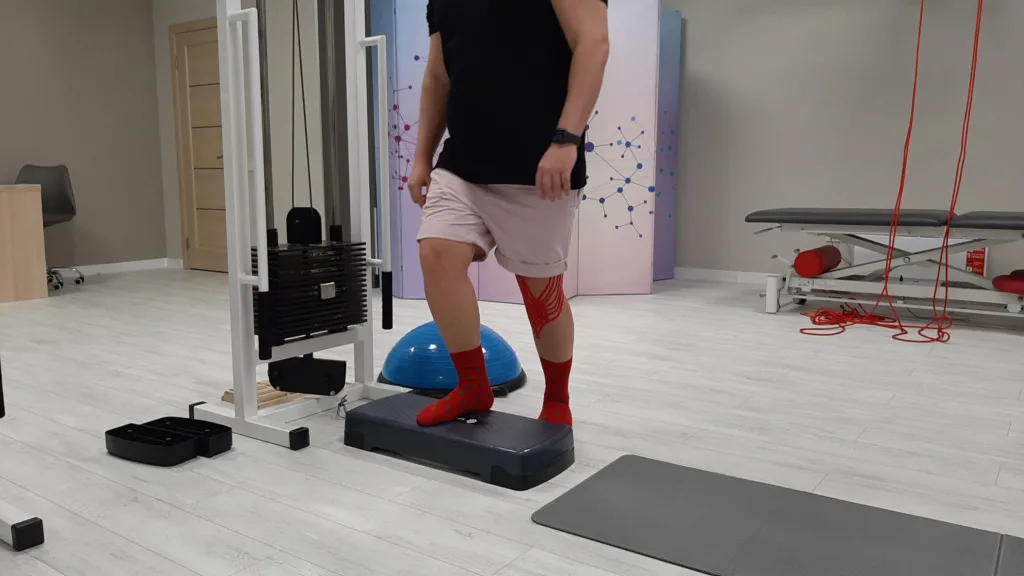
It is important to note that rehabilitation after ACL reconstruction is a process that requires time and patience. The complete remodeling of the implant takes place over a period of 9-12 months. Adherence to the recommendations of the doctor and physical therapist plays a key role in achieving success in the recovery process.
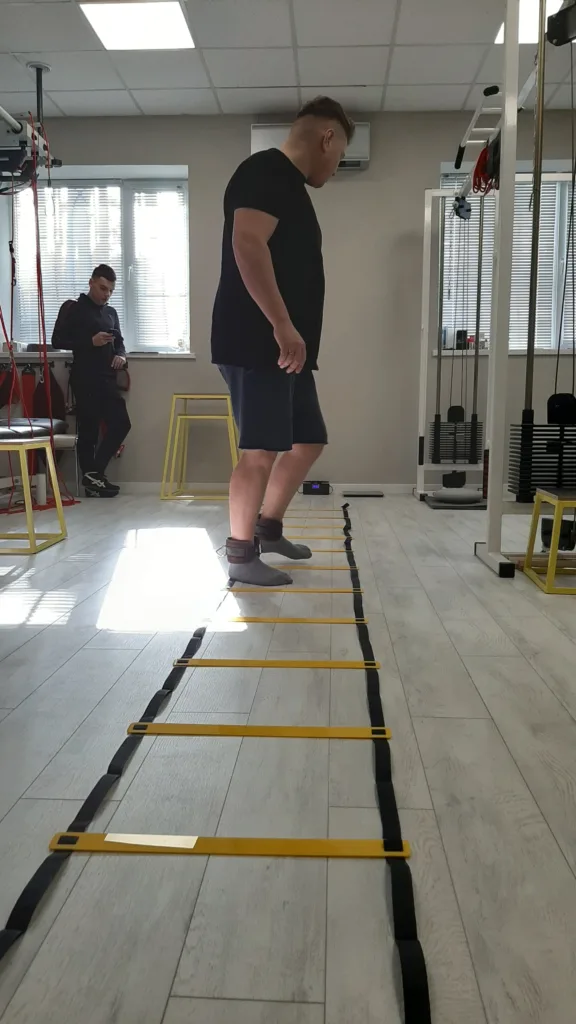
We are always ready to help you understand the injury and expedite the recovery process.
Feel free to call us and consult with specialists who have the experience and knowledge!