



Fracture of the elbow requires careful attention as this joint has complex biomechanics. Rehabilitation after an elbow fracture plays a crucial role in recovery and returning to normal hand activity.
Below is a general rehabilitation plan for an elbow fracture.
1. Postoperative Period
The postoperative period following an elbow fracture often involves immobilization with a cast or splint to prevent excessive loading on the elbow joint. The doctor may recommend the use of an orthosis for additional protection during recovery and daily activities.
2. Physical Therapy
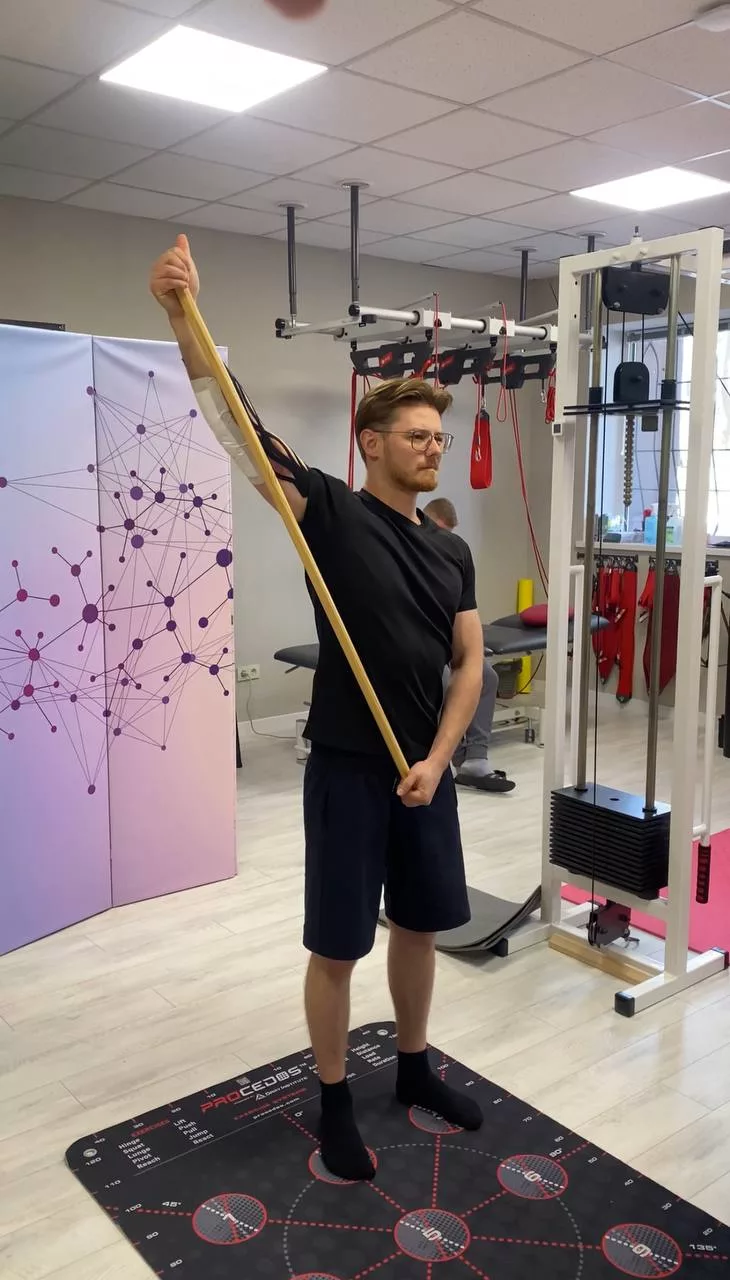
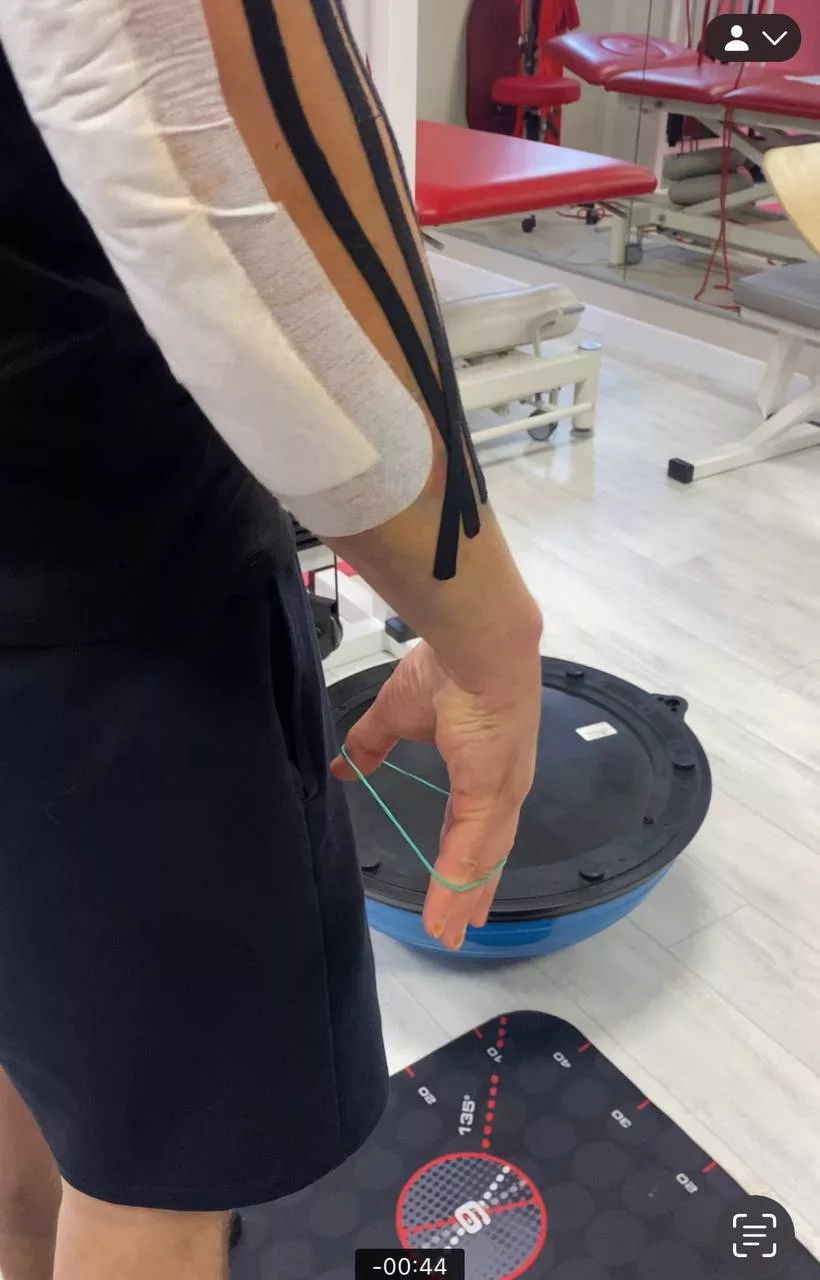
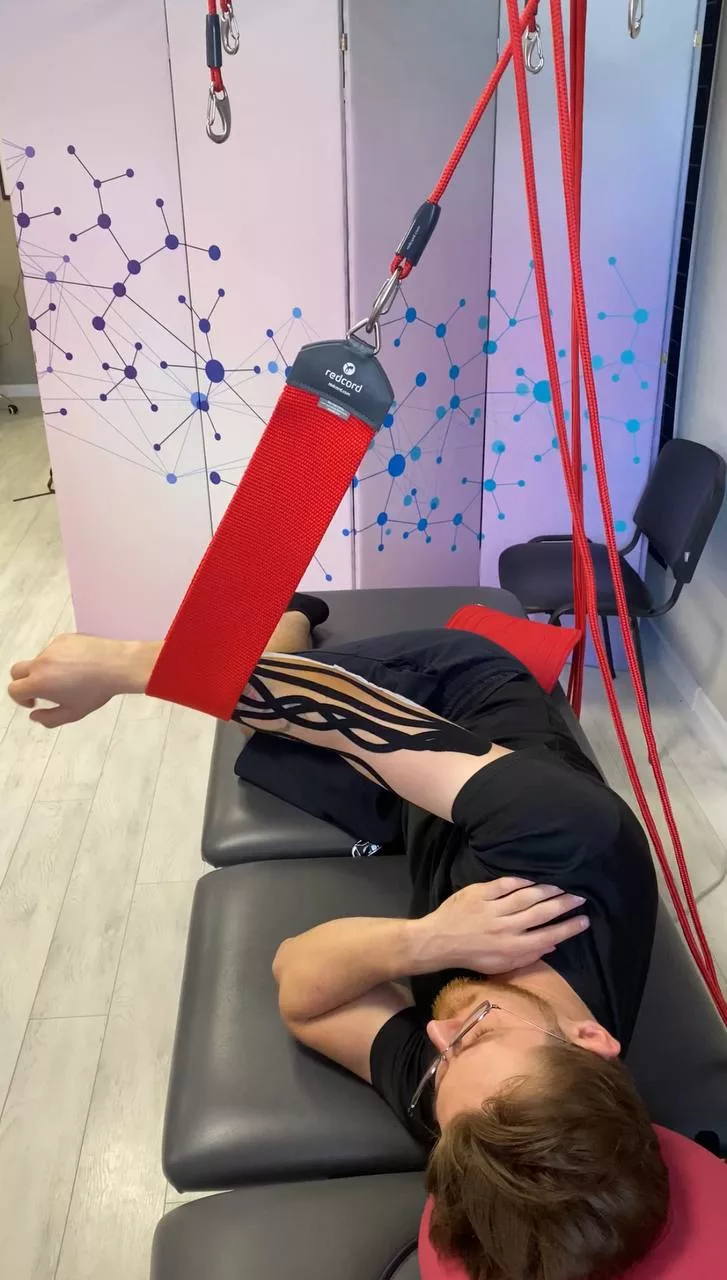
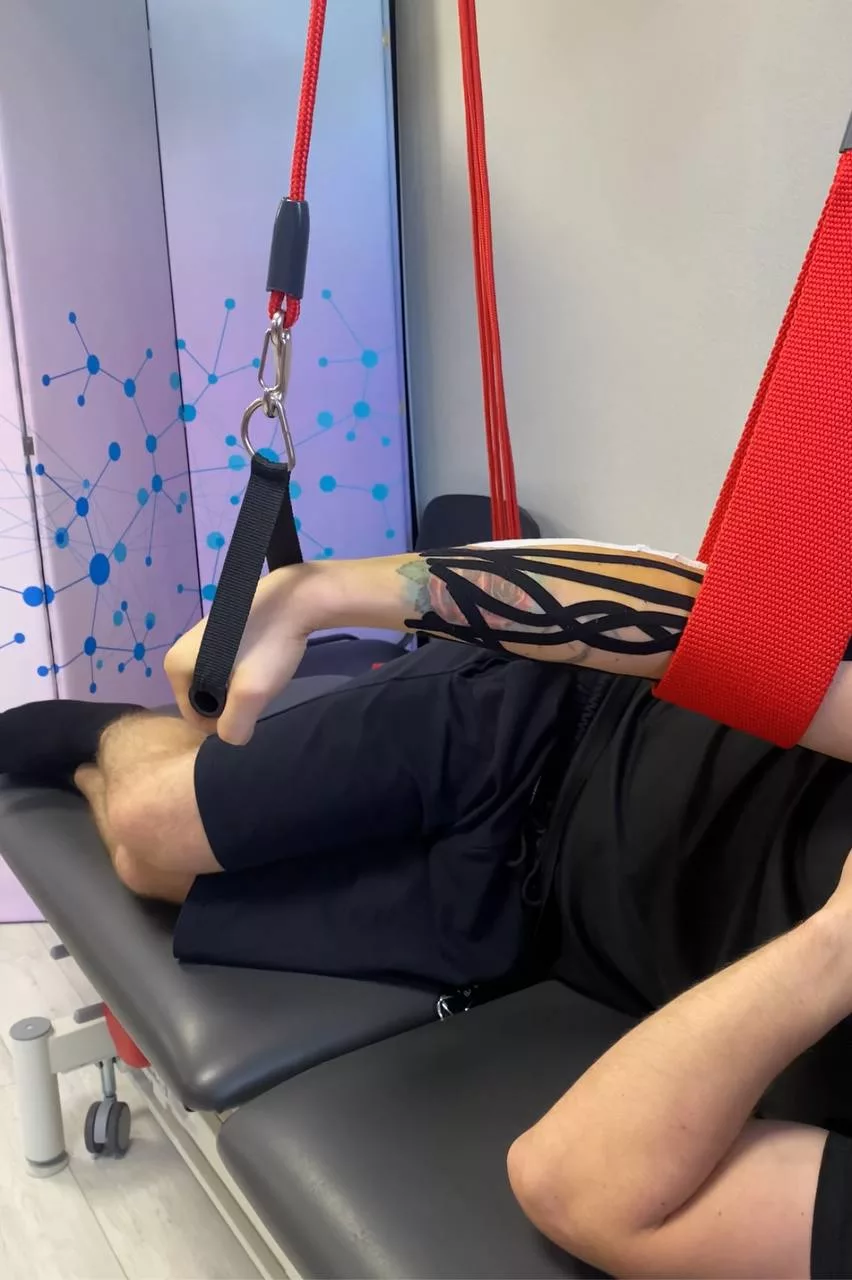
The phase of physical therapy is crucial for restoring the function of the elbow joint and muscles. A physical therapist develops an individualized recovery program that includes scar mobilization (to loosen it), therapeutic exercises aimed at restoring the sensation of working necessary muscles, improving their strength, elasticity, and endurance. We strive to consider all the client’s condition specifics during recovery, providing an individualized approach to each situation to ensure the most effective results in their particular case. The comprehensive approach includes manual techniques, kinesiotaping, massage techniques, active and passive exercises, etc., to improve the range of motion in the joint and restore the functional abilities of the elbow joint.
3. Gradual Loading
These processes should be controlled and supervised by a specialist:
- Tracking the level of pain and discomfort during and after physical activities;
- Correction of the rehabilitation program to alleviate pain;
- Evaluation of elbow joint stability;
- Considering the client’s psychological state during the rehabilitation process;
- Support and correction of psychological aspects for successful recovery;
- Gradual increase of physical loads to adapt the elbow joint to various activities (loading on the injured area increases gradually, depending on readiness).
Systematic and personalized comprehensive sessions will help effectively restore the function of the elbow joint and ensure a return to an active lifestyle.
4. Use of Orthosis
A doctor may recommend the use of an orthosis for additional protection during recovery and daily activities. It’s best to consult with a specialist to choose the appropriate orthosis, taking into account personal activity levels and mobility goals.
5. Return to Normal Activity
It’s important to understand that everyone has their individual path to recovery after an elbow fracture, and it may look different and take varying lengths of time for each person. Physical condition and individual needs of each client must be considered. Returning to physical activities after an elbow fracture may involve several phases and stages of recovery. In our work, we rely on the diagnostic results from Redcord equipment. That’s why we assess the condition of the entire body and address your needs comprehensively.
6. Pain Management
Recovery and rehabilitation may involve the use of anti-inflammatory medications and physical methods to reduce pain and inflammation. Medical treatment is administered by physicians. Your treating doctor should provide a conclusion, prescription, and recommendations.
Our team of experts focuses on restoring function or developing good adaptation. We prefer non-medication interventions in our work. This means we use only therapeutic exercises and additional bodywork techniques, engaging the body’s natural ability to recover. In certain cases, we utilize physiotherapy procedures to achieve optimal results.
7. Psychological Support
Psychotherapy aids in overcoming stress and anxiety. Rehabilitation after an elbow fracture can be physically and psychologically challenging. Professional psychologists can provide additional assistance in cases where collaboration with a physical therapist is insufficient.
Call or book online, and together we will achieve our goals in the shortest terms possible. At Physiospace, we are with you every step of the way! 🌟💪