



Pain in the foot or ankle joint may appear suddenly after an injury or develop gradually over months. At first, discomfort occurs only during walking or physical activity, but over time it can limit normal daily activities and significantly affect quality of life.
The good news is that not every type of pain requires medication. In many cases, properly selected physical therapy helps reduce pain, restore joint function, and return to an active lifestyle without continuous use of medication.
Why ankle and foot pain should not be ignored
The foot and ankle joint bear significant daily loads during walking, running, stair climbing, and other movements. Any dysfunction in this area can affect the entire musculoskeletal system.
Due to changes in gait, load is often redistributed to the knees, hip joints, and lumbar spine. That is why long-term foot pain is often accompanied by knee or lower back pain.
Main causes of foot and ankle pain
Trauma and its consequences
One of the most common causes of pain is traumatic injury:
- ligament sprains;
- ankle twisting (inversion injuries);
- bruises;
- fractures;
- old, unresolved injuries.
Even after tissue healing, instability or impaired motor control may remain, leading to recurrent pain and compensatory changes throughout the body.
Overuse from sports or work
Pain may develop due to repeated excessive loading. This is especially common among:
- runners;
- football players;
- military personnel;
- people who spend long hours on their feet.
An additional risk factor is uncomfortable or worn-out footwear.
Foot biomechanics disorders
Improper load distribution during walking often leads to overloading of specific foot structures.
Common disorders include:
- flat feet (pes planus);
- excessive pronation;
- reduced joint mobility in the foot;
- postural and gait disturbances.
Inflammatory and degenerative changes
Pain may also be caused by:
- ankle osteoarthritis;
- tendon tendinopathies;
- plantar fasciitis;
- inflammation of periarticular tissues.
Such conditions are often accompanied by morning stiffness and pain after physical activity.
Symptoms that require specialist consultation
You should not delay seeing a specialist if pain lasts longer than one to two weeks or gradually worsens.
Signs of mechanical pain
Most commonly include:
- pain during walking;
- discomfort after physical activity;
- sensation of instability;
- reduced joint mobility.
Symptoms that may indicate serious conditions
Particular attention should be paid to:
- significant swelling;
- inability to bear weight on the foot;
- joint deformity;
- sudden restriction of movement.
Table 1. When to see a specialist
| Symptom | Recommendation |
| Pain after activity | Consult a physical therapist |
| Pain lasting more than 1–2 weeks | Mandatory clinical assessment |
| Swelling after injury | Medical consultation |
| Inability to bear weight | Urgent medical examination |
| Joint deformity | Emergency medical care |
How the cause of pain is determined
Effective treatment begins with identifying the source of the problem.
History taking and clinical examination
The specialist evaluates:
- pain characteristics;
- injury history;
- level of physical activity;
- daily load patterns.
Mobility and stability assessment
During examination, the following are checked:
- joint mobility;
- muscle strength;
- balance;
- movement quality.
When additional tests are needed
If necessary, the doctor may recommend:
- X-ray imaging;
- ultrasound examination;
- magnetic resonance imaging (MRI).
How to relieve ankle and foot pain without medication
Physical therapy as the foundation of recovery
Modern physical therapy focuses not only on reducing symptoms but also on eliminating the underlying causes of overload or dysfunction.
The rehabilitation program is individually tailored depending on the diagnosis and the person’s activity level.
Exercises to improve mobility and stability
Exercises help to:
- improve joint mobility;
- strengthen foot and lower leg muscles;
- restore balance;
- reduce the risk of recurrent injuries.
Restoring proper motor control
In many cases, the problem lies not only in tissues but also in how a person performs movements. Gait and movement pattern correction helps distribute loads more evenly.
Neurac method and Redcord system in rehabilitation
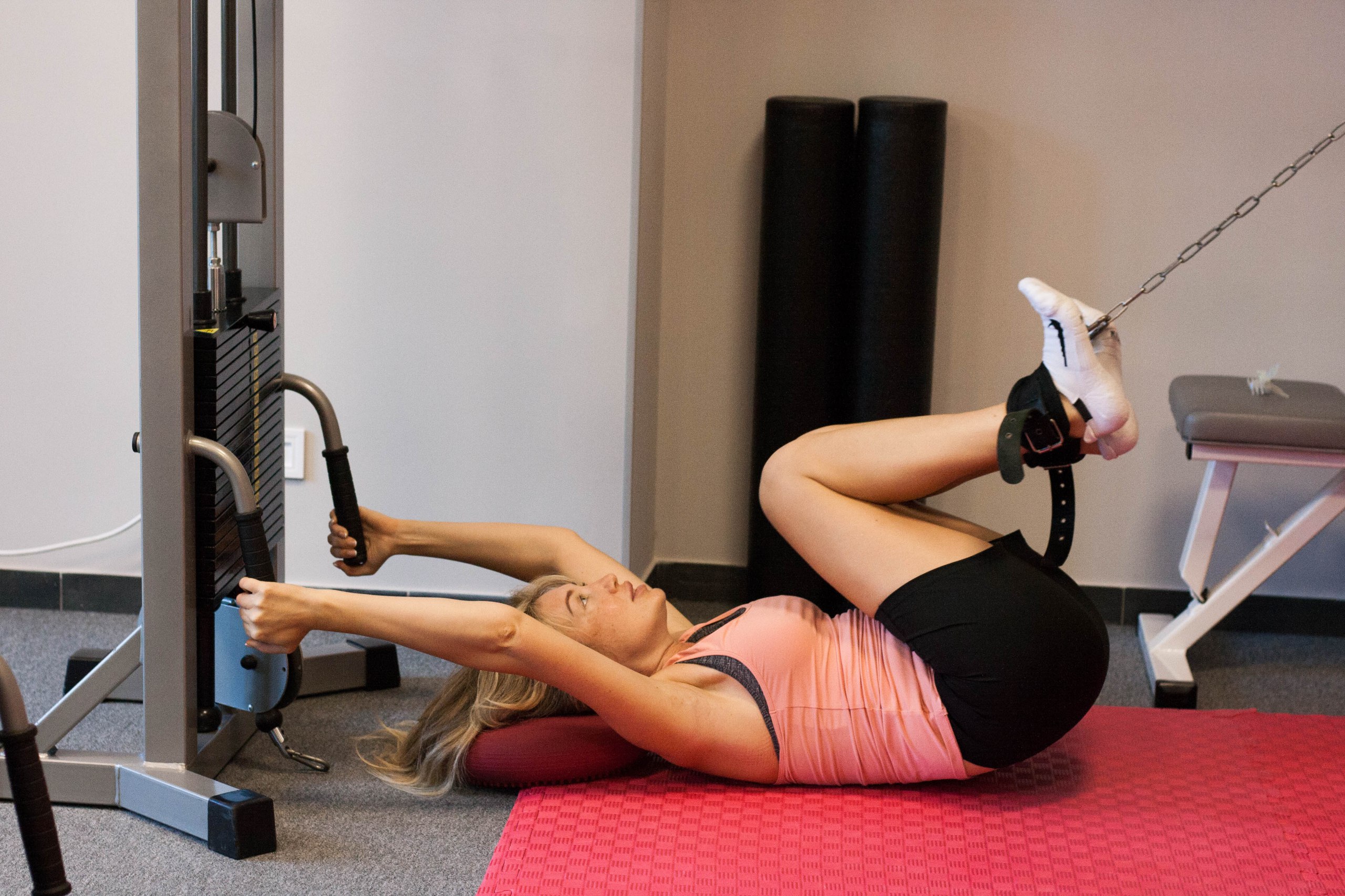
The Neurac method using the Redcord system is applied to restore proper muscle function and motor control.
Suspension of part of the body weight allows exercises to be performed without excessive joint loading, which is especially beneficial after injuries, surgeries, or in chronic pain conditions.
Gradual return to activity
Return to sport or regular activity should be gradual. Increasing activity too quickly may trigger recurrence of symptoms.
Table 2. Comparison of treatment approaches
| Approach | Pain reduction | Elimination of cause |
| Painkillers | Yes | No |
| Temporary rest | Partially | No |
| Physical therapy | Yes | Yes |
| Neurac and Redcord | Yes | Yes |
What can be done for pain prevention
To maintain foot and ankle health, it is important to:
- stay physically active regularly;
- gradually increase load levels;
- wear comfortable footwear;
- perform balance and strength exercises;
- not ignore early signs of discomfort.
Prevention is significantly easier and more effective than treating the consequences of long-term overload.
Conclusion
Foot and ankle pain may be associated with injuries, overload, biomechanical dysfunction, or age-related changes. Ignoring symptoms often leads to chronic conditions and reduced mobility.
Timely assessment, physical therapy, and restoration of proper motor control help not only reduce pain but also eliminate its cause. This approach allows a return to an active life without continuous reliance on medication.
FAQ
Why does the ankle hurt without an injury?
Possible causes include overload, gait disturbances, flat feet, osteoarthritis, or inflammatory processes in tendons and ligaments.
Can I exercise with foot pain?
It depends on the cause of the pain. In most cases, load adjustment and specialist consultation are required. Pain alters muscle activation patterns and may increase the risk of injury.
Does physical therapy help with chronic pain?
Yes. Physical therapy focuses on restoring joint function, improving mobility, and eliminating factors that maintain pain. As pain decreases, the brain gains better control over movement and joint function improves.
When should I see a doctor urgently?
If after an injury you cannot bear weight on the foot, there is visible joint deformity, or significant swelling, medical evaluation should be performed as soon as possible.