



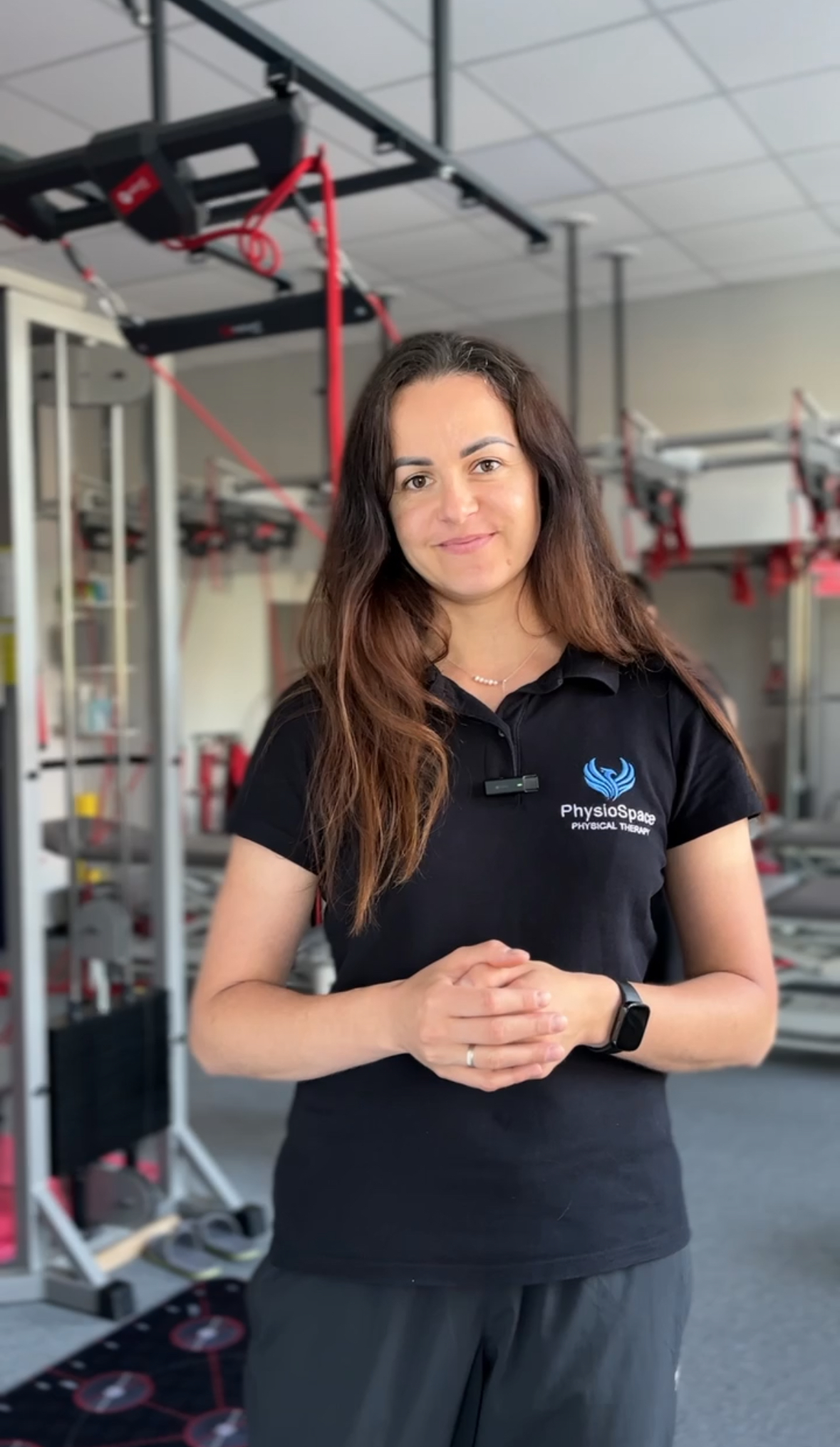
Rehabilitation after surgery is an important stage of recovery that helps clients get back to their normal lives. Effective rehabilitation methods can significantly shorten the recovery period, reduce the risk of complications and improve the general state of health. In this article, we will look at the main methods of rehabilitation after surgery, their advantages and tips on how to use them effectively.
Basic methods of rehabilitation
Physical therapy
Physical therapy is one of the most important methods of rehabilitation after surgery. It includes various exercises aimed at restoring mobility, strengthening muscles and improving coordination.
- Passive movements: performed by a therapist to relax muscles and prepare for active exercises.
- Active movements: performed by the client independently to strengthen muscles and improve coordination.
- Stretching exercises: help increase flexibility and range of motion.
Kinesitherapy
Kinesitherapy uses movements to restore body functions. It includes various techniques, such as passive and active movements, as well as stretching and strengthening exercises.
- Muscle stretching: helps to increase the range of motion.
- Joint mobilization: improves joint mobility.
- Strength exercises: strengthen muscles and improve joint stability.
Massage
Massage is an effective method for reducing pain, relieving muscle tension and improving blood circulation. It can be used as an adjunct to physical therapy.
- Classic massage: helps relieve tension and improve blood circulation.
- Lymphatic drainage massage: helps reduce swelling and improve lymphatic circulation.
- Sports massage: aimed at muscle recovery after physical exertion.
Ergotherapy
Occupational therapy helps clients regain skills needed for daily living. It includes training using various devices and adaptations.
- Fine Motor Training: Helps restore skills needed to perform everyday tasks.
- Environmental adaptation: includes modification of living conditions to facilitate task performance.
- Psychological support: helps clients cope with the emotional difficulties associated with rehabilitation.
Food
Proper nutrition is an important aspect of rehabilitation after surgery. It promotes rapid healing of wounds, strengthening of the immune system and restoration of energy.
- Protein products: contribute to the recovery of muscles and tissues.
- Vitamins and minerals: support the immune system and promote wound healing.
- Hydration: important to maintain normal body function and prevent dehydration.
Advantages of effective rehabilitation
Pain reduction
Effective rehabilitation helps reduce pain associated with surgery by reducing muscle tension and improving blood circulation.
Increased mobility
Regular classes in physical therapy and kinesitherapy help to increase the mobility of joints and muscles, which allows you to perform everyday tasks with less stress.
Prevention of complications
Effective rehabilitation helps prevent complications such as thrombosis, contractures, and muscle atrophy through regular exercise and proper nutrition.
Psychological support
Rehabilitation includes psychological support to help clients cope with the emotional challenges associated with surgery and recovery.
Tips for effective rehabilitation
Compliance with the doctor’s recommendations
It is important to follow all the recommendations of the doctor and therapist in order to achieve maximum results and avoid complications.
Regular classes
To achieve maximum results, it is important to engage in rehabilitation regularly, usually 2-3 times a week.
Gradual increase in load
A gradual increase in physical activity helps to avoid injuries and overloading of muscles and joints.
Proper nutrition
Adherence to proper nutrition promotes rapid healing of wounds and restoration of energy.
Psychological support
Do not forget the importance of psychological support, which helps to cope with emotional difficulties and maintain motivation for rehabilitation.
Frequently asked questions (FAQ)
1. What is rehabilitation after surgery?
Rehabilitation after surgery is the process of restoring the body’s functions with the help of various methods, such as physical therapy, kinesitherapy, massage, occupational therapy and proper nutrition.
2. What methods of rehabilitation are the most effective?
The most effective methods of rehabilitation are physical therapy, kinesitherapy, massage, occupational therapy and proper nutrition.
3. How often should rehabilitation be done after surgery?
To achieve maximum results, it is recommended to engage in rehabilitation regularly, usually 2-3 times a week.
4. Is it possible to do rehabilitation on your own?
To begin with, it is recommended to exercise under the supervision of a qualified therapist to avoid mistakes and injuries. After mastering the techniques, you can perform the exercises on your own.
5. What are the contraindications for rehabilitation after surgery?
Contraindications may include acute inflammatory processes, severe cardiovascular diseases and some neurological disorders. Before starting rehabilitation, it is necessary to consult a doctor.
Visnovok
Effective rehabilitation after surgery is a key step in recovery, helping to reduce pain, increase mobility and prevent complications. Thanks to an individual approach and regular classes, this process can significantly improve the quality of life of clients. It is important to follow the rehabilitator’s recommendations and avoid common mistakes to achieve maximum results.