



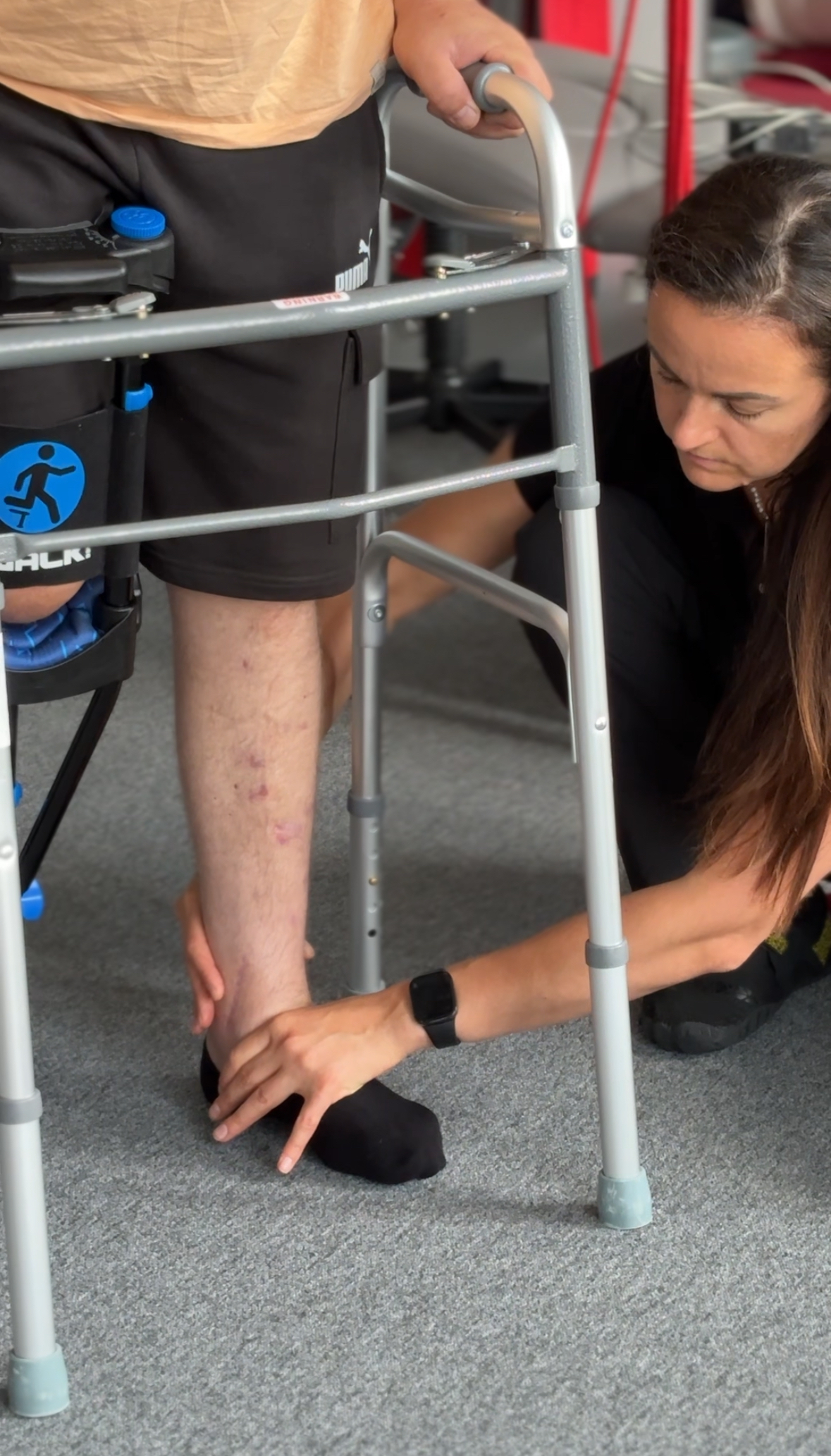
The rehabilitation process is individual and depends on many factors, such as the type of injury or disease, the patient’s age, general health, and the rehabilitation methods used. In this article, we will consider the main aspects that affect the duration of rehabilitation and give recommendations for optimizing this process.
Factors affecting the duration of rehabilitation
Type of injury or illness
- Minor injuries: For example, muscle strains or minor bruises may require several weeks to fully recover.
- Major injuries: Broken bones, torn ligaments, or major surgeries can take months or even years to fully recover.
- Chronic conditions: Such as arthritis or diabetes, may require ongoing rehabilitation and support.
Age of the patient
- Young patients: Usually have a faster recovery process due to better tissue regeneration.
- Elderly patients: May require more time to rehabilitate due to reduced ability to recover.
General state of health
- Physical fitness: Patients who were in good physical shape before the injury usually recover more quickly.
- Comorbidities: The presence of other diseases can slow down the rehabilitation process.
Methods of rehabilitation
- Physical therapy: Regular sessions with a physical therapist can greatly speed up the recovery process.
- Occupational therapy: Helps restore skills needed for daily living.
- Massage therapy: Helps relieve muscle tension and improve blood circulation.
- Hydrotherapy: Using water to reduce stress on joints and muscles.
Stages of rehabilitation
Acute period
- Duration: From several days to several weeks.
- Task: Reduction of pain and swelling, stabilization of the patient’s condition.
Subacute period
- Duration: From several weeks to several months.
- Task: Restoring mobility, strengthening muscles, improving functionality.
Chronic period
- Duration: From several months to several years.
- Tasks: Support of achieved results, prevention of relapses, adaptation to new living conditions.
Recommendations for optimizing the rehabilitation process
- Regular exercise: Follow your doctor’s recommendations and exercise regularly.
- Balanced diet: Include protein products, vegetables, fruits and sufficient amount of water in the diet.
- Psychological support: Consult a psychologist or psychotherapist to maintain motivation and a positive attitude.
- Use of assistive devices: Use crutches, braces, or other assistive devices as needed.
Conclusion
The length of the rehabilitation process depends on many factors, including the type of injury or illness, the patient’s age, general health, and rehabilitation methods. Following the doctor’s recommendations and using various rehabilitation methods, you can optimize the recovery process and return to a normal life.
FAQ
1. What factors affect the duration of rehabilitation?
The duration of rehabilitation depends on the type of injury or disease, the patient’s age, general health and rehabilitation methods.
2. How long does rehabilitation take after a bone fracture?
Rehabilitation after a bone fracture can last from several months to a year, depending on the severity of the fracture and the individual characteristics of the patient.
3. Is it possible to speed up the rehabilitation process?
Yes, regular sessions with a physical therapist, a balanced diet, psychological support and the use of assistive devices can help speed up the rehabilitation process.
4. Does age affect the duration of rehabilitation?
Yes, young patients usually recover faster than older patients due to better tissue regeneration.
5. What methods of rehabilitation are the most effective?
The most effective methods of rehabilitation are physical therapy, occupational therapy, massage therapy and hydrotherapy.