



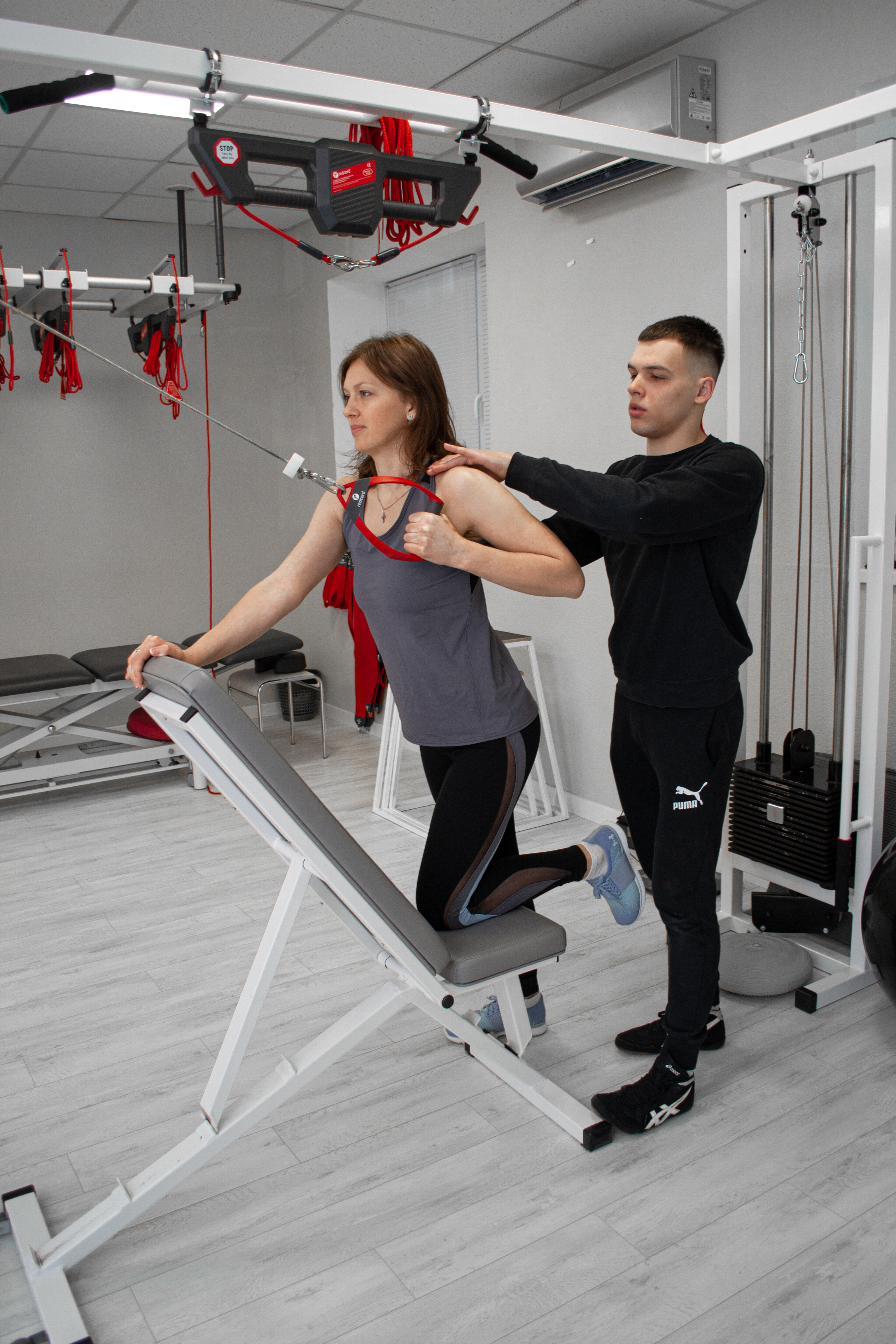
When pain appears in the back, neck, shoulder, or knee, most people first think about massage. Others go straight to a doctor. But there is another option that is often the most effective for functional problems — physical therapy.
The problem is that these three approaches are often confused. As a result, people either waste time on ineffective methods or do not receive the necessary rehabilitation.
In this article we will cover:
- how massage, a doctor, and physical therapy differ
- in which cases each of them is needed
- how to understand what exactly you need
Difference between massage, doctor, and physical therapy
Massage
Massage is work with soft tissues:
- muscles
- fascia
- tension
What it does:
- reduces muscle spasm
- improves blood circulation
- provides temporary relief
What it does NOT do:
- does not restore movement
- does not treat the cause of pain
- does not change biomechanics
Doctor (orthopedist, neurologist)
A doctor:
- makes a diagnosis
- rules out dangerous conditions
- prescribes examinations or medication
When a doctor is needed:
- suspected serious pathology
- sudden severe pain after injury
- neurological symptoms
Physical therapy
Physical therapy is the restoration of movement function.
It includes:
- movement analysis
- exercise therapy
- restoration of muscle balance
- working on the cause of pain
When physical therapy is needed
1. Pain keeps coming back
If:
- pain disappears after massage but returns
- symptoms reappear with activity
👉 this is a sign of a functional problem addressed by physical therapy
2. Pain appears during movement or sitting
Typical situations:
- pain after computer work
- discomfort when bending
- pain during walking or training
3. Limited range of motion
For example:
- difficulty raising the arm
- difficulty bending
- feeling of stiffness
4. After injury without serious structural damage
After:
- sprains
- bruises
- sports injuries
it is important to restore movement and strength.
5. Chronic pain (3+ months)
If pain is long-lasting:
- the problem is often no longer “inflammation”
- but in movement and motor control
When a doctor is needed
Physical therapy does not replace a doctor in critical cases.
See a doctor immediately if:
- sudden severe pain after injury
- suspected fracture
- numbness or weakness in limbs
- loss of bladder or bowel control
- severe swelling or deformity
When massage is sufficient
Massage can help if there is:
- temporary muscle tension
- fatigue after training
- mild stiffness
- stress-related tension
👉 but the effect is usually short-term
Simple decision rule
🔵 Massage:
“I feel tension, but I move normally”
🔴 Doctor:
“There is sharp pain, injury, or neurological symptoms”
🟢 Physical therapy:
“Pain is movement-related and keeps returning”
Why massage does not solve the problem
Massage:
- reduces symptoms
- but does not change the cause
If the cause is:
- weak muscles
- incorrect movement patterns
- overload
👉 the pain returns
What physical therapy does differently
1. Finds the cause of pain
Not just “where it hurts”, but:
- why it hurts
2. Restores movement
Restores:
- normal biomechanics
- coordination
3. Strengthens weak areas
To reduce load on overloaded structures.
4. Prevents recurrence
This is the main difference:
- not just removing pain
- but ensuring it does not return
Common mistakes people make
❌ Relying only on massage for chronic pain
❌ Ignoring physical therapy after injury
❌ Waiting for it to “go away on its own”
❌ Treating only symptoms, not the cause
When to see a physical therapist
- pain lasts more than 1–2 weeks
- pain keeps returning
- limited range of motion
- massage provides only short-term relief
- pain after injury
- pain related to work or sport
Conclusion
Massage, a doctor, and physical therapy are not interchangeable — they represent different levels of care.
- doctor — rules out danger and makes a diagnosis
- massage — reduces tension and symptoms
- physical therapy — restores movement and addresses the root cause
In most cases of pain in the back, neck, shoulder, or knee, physical therapy is the most effective long-term solution.
The main rule is simple: if pain is movement-related and keeps coming back, you need rehabilitation, not just relaxation.