



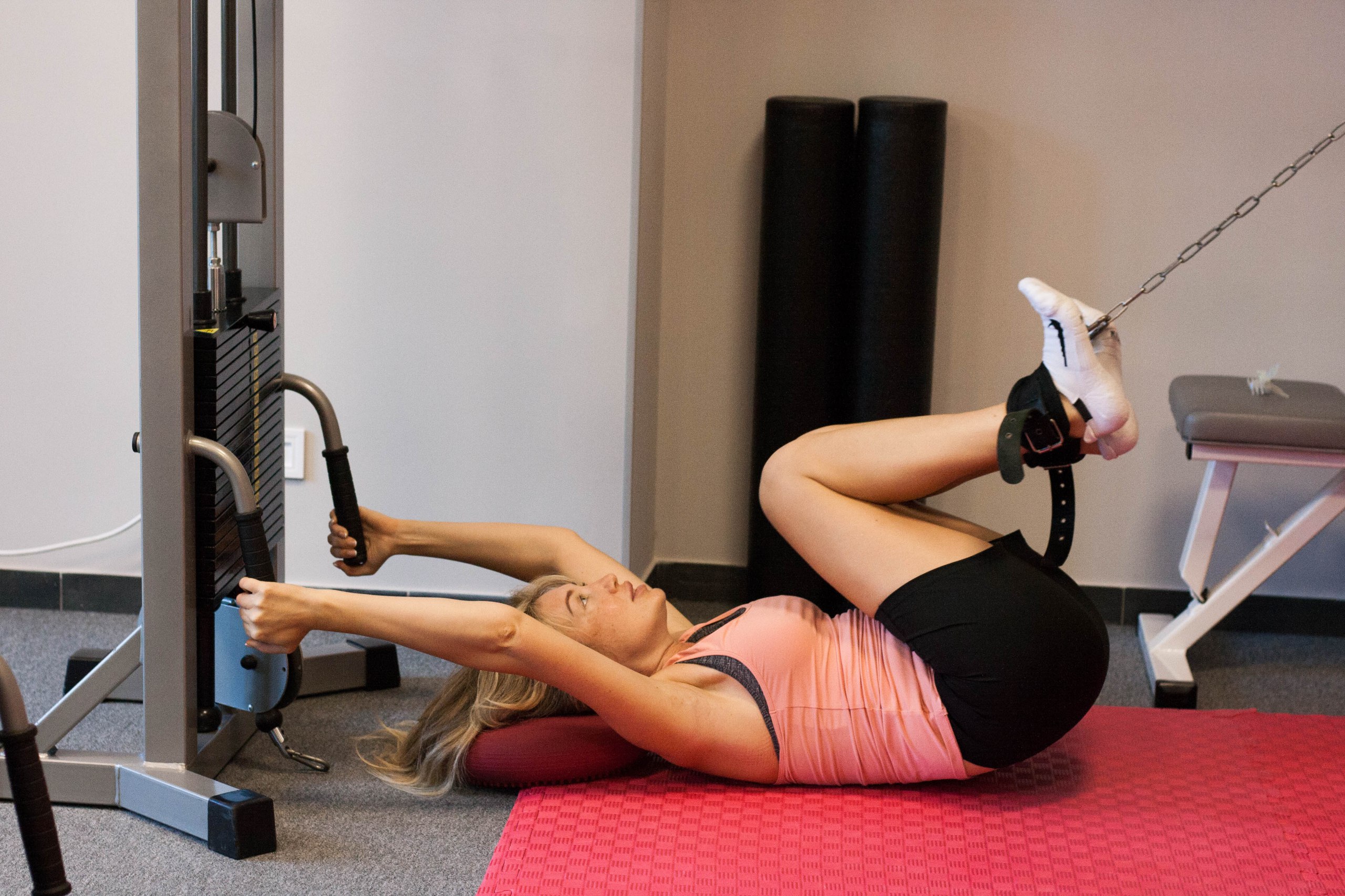
Knee pain when walking downstairs, morning stiffness, or an uncomfortable grinding sensation during squats are often the first warning signs experienced by millions of people. When diagnosed with knee osteoarthritis, many people immediately fear lifelong injections or expensive joint replacement surgery.
However, surgery is considered a last resort. Modern physical therapy shows that, in most cases, it is possible to reduce knee osteoarthritis pain without injections or surgery by focusing on restoring movement, improving joint function, and strengthening the muscles that support the knee.
What Causes Knee Osteoarthritis and Who Is at Risk?
Osteoarthritis (also known as gonarthrosis) is a degenerative joint condition in which the cartilage gradually loses its elasticity and becomes thinner over time. Since cartilage contains no nerve endings, it is not the direct source of pain. Pain develops when cartilage degeneration transfers mechanical stress to the bone lining, ligaments, and surrounding muscles, resulting in inflammation and muscle tension.
This condition affects a wide range of people, including:
- Athletes and physically active individuals: due to repetitive microtrauma, high-impact loading, or inadequate recovery.
- Military personnel and veterans: as a result of carrying heavy equipment, prolonged time in demanding positions, and repetitive mechanical stress.
- People with sedentary jobs: prolonged inactivity weakens the thigh and gluteal muscles, reducing the knee’s natural support and shock absorption.
- Older adults: due to age-related metabolic changes and the cumulative wear of joint tissues over time.
- People focused on prevention: individuals recovering from ligament or meniscus injuries or surgery who want to reduce the risk of developing osteoarthritis in the future.
Conservative Treatment: How Physical Therapy Works Instead of Injections
Many people believe that the best treatment for knee pain is rest combined with pain medication. In reality, prolonged inactivity accelerates cartilage degeneration because cartilage receives its nutrients through diffusion during controlled joint compression and decompression that occurs with movement. Physical therapy for knee osteoarthritis aims to restore healthy joint mechanics while minimizing excessive stress on the joint.
The Importance of Muscle Strength and Load Adaptation
The quadriceps are the primary shock absorbers of the knee joint, supported by the gluteal muscles and hamstrings. When these muscle groups are strong and well-coordinated, they absorb much of the impact generated during walking and running. Carefully prescribed isometric and strengthening exercises for knee osteoarthritis help build muscle without creating excessive friction inside the joint.
Lifestyle Changes and Weight Management
Every additional kilogram (or pound) of excess body weight significantly increases the load placed on the knee with every step. Maintaining a healthy body weight, wearing supportive footwear, and modifying daily activities can substantially reduce pain and improve function.
Comparing Treatment Options for Knee Osteoarthritis
To understand why physical rehabilitation is considered the foundation of long-term knee osteoarthritis management, let’s compare the most common treatment approaches:
| Comparison Criteria | Physical Therapy & Exercise | Intra-Articular Injections (Hyaluronic Acid, PRP) | Surgery (Total Knee Replacement) |
| Addresses the Cause of Pain | Corrects muscle imbalance and improves movement biomechanics. | Temporarily improves joint lubrication or reduces inflammation. | Replaces the damaged joint with an artificial implant. |
| Duration of Results | Long-term with consistent exercise. | Short- to medium-term (approximately 3–12 months). | Long-term (typically 15–20 years for the implant). |
| Risks and Complications | Minimal when supervised by a qualified professional. | Risk of infection and temporary post-injection pain. | Surgical risks and an extended rehabilitation period. |
| Patient Participation Required | High (regular exercise is essential). | Low (passive treatment). | High (requires significant postoperative rehabilitation). |
4 Steps Toward Living Without Knee Pain: Where to Start Today
If your goal is long-term symptom relief and managing knee osteoarthritis without surgery, follow these key steps:
- Restore Mobility: Perform gentle knee flexion and extension exercises within a pain-free range of motion. This helps stimulate the production and circulation of synovial fluid.
- Strengthen Supporting Structures: Knee overload is often influenced by weak foot muscles or limited hip mobility. Improving these areas helps reduce unnecessary stress on the knee.
- Manage Swelling and Activity Levels: If your knee becomes swollen after activity, reduce the intensity or duration of exercise. Follow the “acceptable pain” guideline: pain during exercise should not exceed 3–4 out of 10 and should completely resolve by the following day.
- Consult a Physical Therapist: A physical therapist can develop an individualized exercise program based on the severity of your osteoarthritis and your current physical condition.
FAQ
Can Exercise Completely Cure Osteoarthritis?
No. Exercise cannot restore worn cartilage to its original condition. However, physical therapy can significantly reduce or eliminate pain, slow disease progression, and restore functional movement by improving muscle strength, joint mechanics, and the body’s natural compensatory mechanisms.
Is It Safe to Run or Walk Long Distances with Knee Pain?
Walking on level surfaces while wearing supportive footwear is generally beneficial. During symptom flare-ups, it is usually advisable to avoid running and instead choose low-impact activities such as swimming, cycling with a properly adjusted high saddle, or using an elliptical trainer.
Conclusion
A diagnosis of osteoarthritis is not the end of an active lifestyle. In many cases, treating knee osteoarthritis without injections or surgery is entirely achievable. Success depends on a well-designed physical therapy program, restoring muscle balance, improving movement patterns, and maintaining consistency. Take care of your joints, stay active, and seek professional guidance to develop a personalized rehabilitation plan.