



Numbness in the arms or legs is a symptom that almost everyone has experienced at least once. Sometimes it is a short-term “falling asleep” of a limb after an awkward position, and sometimes it can signal problems with nerves, the spine, or blood circulation.
Many people ignore these symptoms, especially when they disappear on their own. However, frequent or persistent numbness may indicate more serious dysfunctions that require professional attention.
In this article we will cover:
- why numbness in the arms or legs occurs
- when it can be dangerous
- the most common causes
- how physical therapy helps restore normal function
What is numbness
Numbness is a disturbance of sensation.
A person may feel:
- “pins and needles”
- tingling
- burning sensations
- loss of sensation
- weakness
Most often this is related to:
- nerve irritation
- compression of neural structures
- impaired blood circulation
Why numbness occurs
Nerves transmit signals between the brain and the body. When this signaling is disrupted, symptoms appear.
Causes can be:
- temporary
- functional
- or related to serious medical conditions
Most common causes of numbness in the arms and legs
1. Spine-related problems
One of the most common causes.
For example:
- disc herniation
- disc protrusion
- degenerative disc disease
- nerve root irritation
This may cause:
- numbness in the arm
- numbness in the leg
- radiating pain
2. Nerve compression
Nerves can be compressed:
- in the wrist
- in the elbow
- in the neck
- in the gluteal region
Examples:
- carpal tunnel syndrome
- piriformis syndrome
3. Muscle overuse and tension
Spasmed muscles:
- reduce nerve mobility
- cause irritation
4. Postural dysfunction
Prolonged:
- sitting
- forward head posture
- computer work
can create overload and provoke symptoms.
5. Poor circulation
Temporary numbness after an awkward position is often related to reduced blood flow.
6. Systemic conditions
Sometimes the cause is not musculoskeletal.
For example:
- diabetes
- neurological disorders
- vitamin deficiencies
When numbness is dangerous
There are symptoms that should not be ignored.
Seek urgent medical attention if:
- numbness appears suddenly
- there is weakness in the arm or leg
- speech is affected
- facial asymmetry occurs
- loss of bladder control
- symptoms rapidly worsen
These may indicate a serious neurological condition.
When to see a physical therapist
Do not delay consultation if:
- symptoms are recurrent
- numbness lasts more than a few days
- there is neck or low back pain
- sitting or walking becomes difficult
- symptoms worsen with movement
How physical therapy helps with numbness
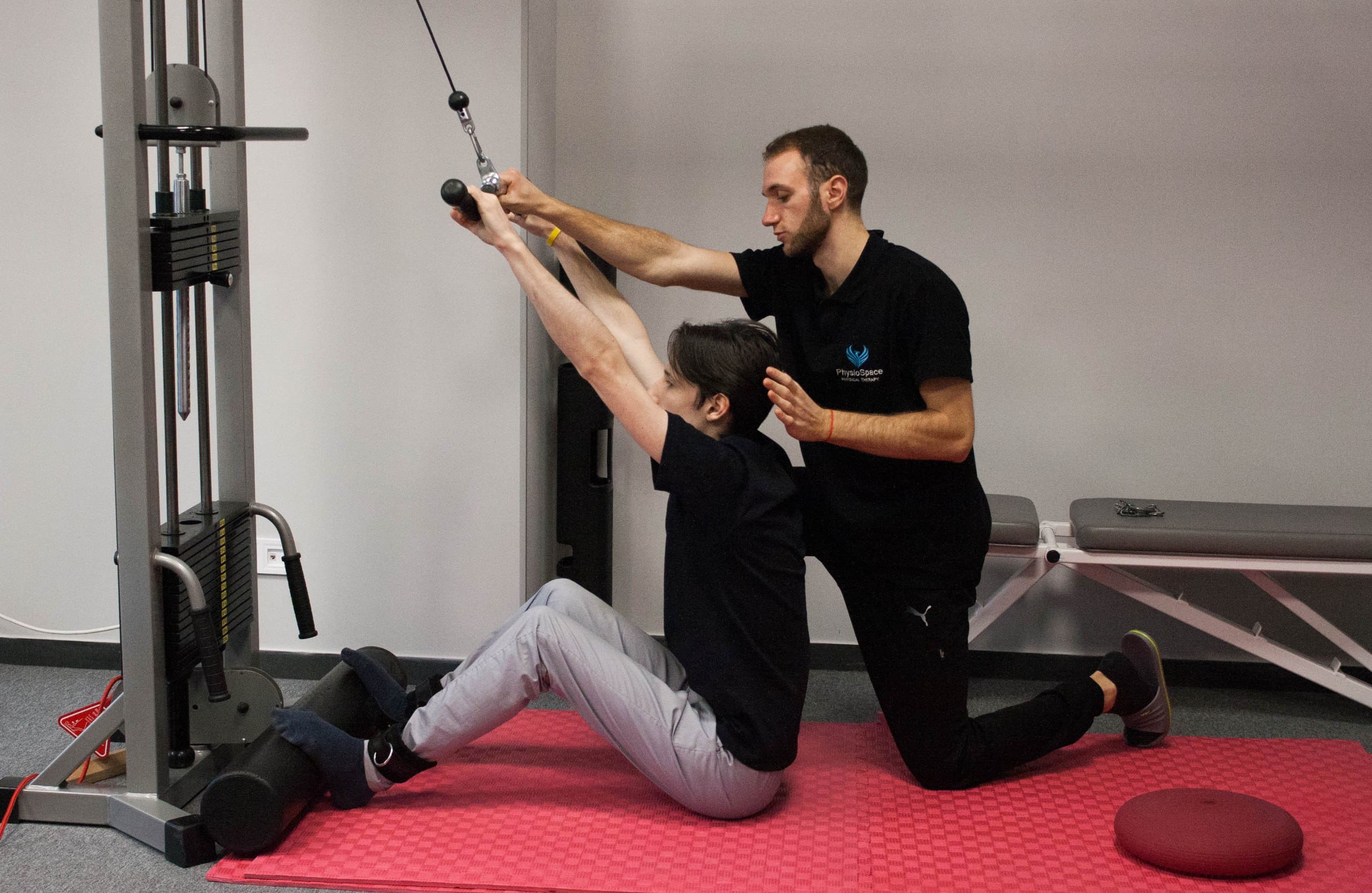
Modern physical therapy does not only address symptoms, but also the underlying cause.
1. Assessment of movement and nervous system
A physical therapist:
- evaluates mobility
- tests neural structures
- identifies the source of the problem
2. Reducing nerve compression
Through:
- exercises
- mobilization techniques
- movement correction
it is possible to reduce nerve irritation.
3. Restoring mobility
Restricted movement often maintains the problem.
Work is done with:
- neck
- thoracic spine
- lumbar spine
- pelvis
4. Neural mobilization
Special techniques help:
- improve nerve gliding
- reduce symptoms
- restore sensation
5. Muscle strengthening
Weak muscles:
- reduce stability
- increase stress on neural structures
6. Posture and habit correction
Without this, symptoms often return.
Patients are taught:
- proper sitting
- movement strategies
- how to work without overload
What NOT to do
❌ Ignore symptoms
Especially if they are recurrent.
❌ Force your neck or back
This may worsen the condition.
❌ Do random internet exercises
Causes of numbness vary significantly.
❌ Avoid movement completely
Moderate activity is usually more beneficial than complete rest.
Recovery time
It depends on:
- the underlying cause
- duration of symptoms
- level of nerve irritation
On average:
- mild cases — a few weeks
- chronic cases — several months
Prevention of numbness
To reduce the risk of recurrence:
- stay physically active
- avoid prolonged static positions
- strengthen muscles
- maintain good posture
- take regular breaks during work
Conclusion
Numbness in the arms or legs is a symptom with many possible causes — from temporary nerve compression to more serious spinal or neurological conditions.
In many cases, modern physical therapy can help:
- reduce symptoms
- restore normal nerve function
- remove underlying overload factors
- improve comfort of movement
The key is not to ignore symptoms and not to self-medicate.
The sooner the cause is identified, the more effective and faster the recovery will be.