



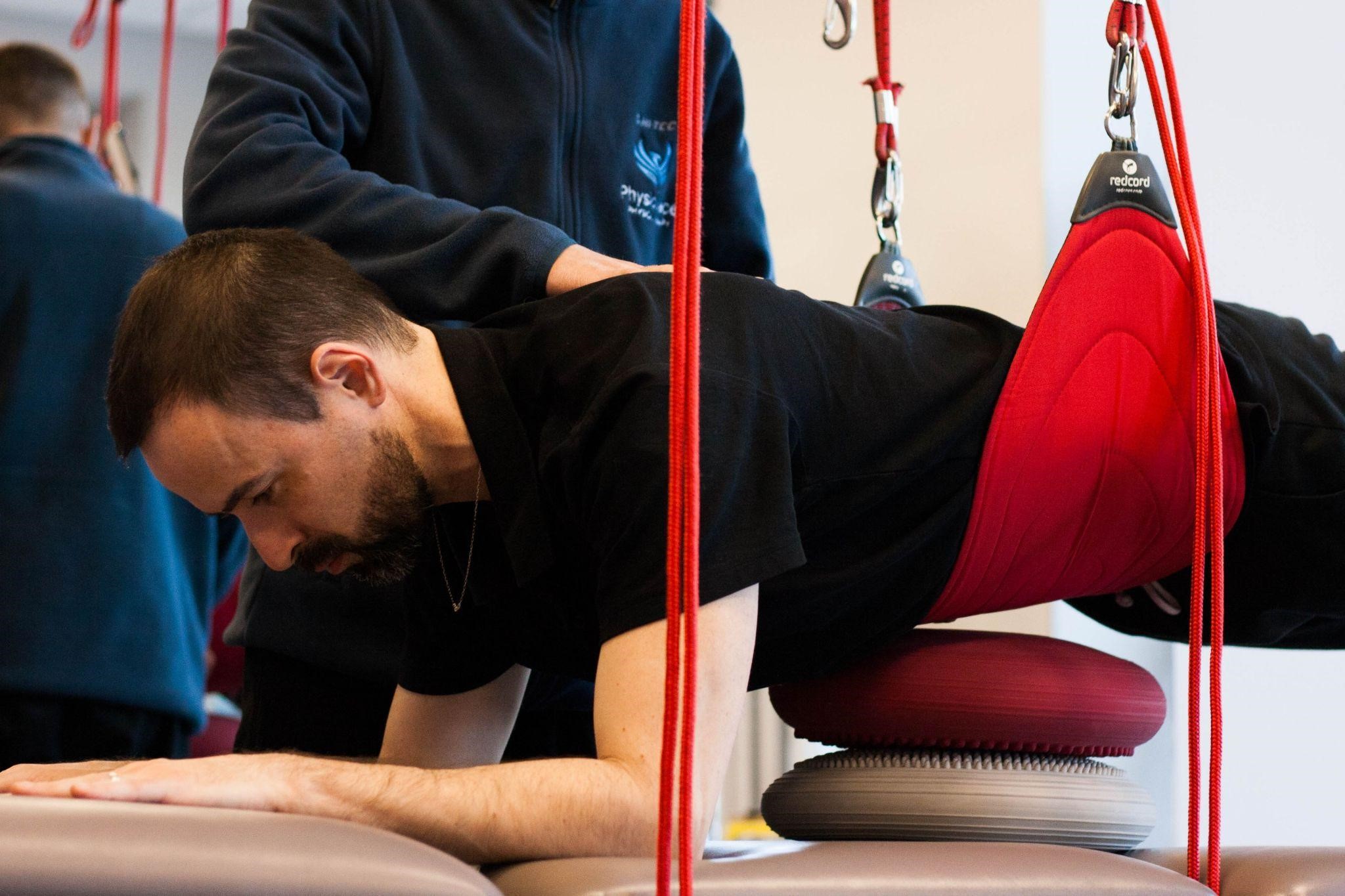
Burning, aching discomfort, or sharp pain between the shoulder blades is one of the most common reasons people seek help from a physical therapist. This area is constantly under stress—from long hours working at a laptop to carrying military gear or performing intense athletic training.
Rather than masking the discomfort with pain medication, it is important to identify its underlying cause and use evidence-based rehabilitation strategies. In this article, we’ll explain what causes thoracic spine pain and discuss the modern approach to achieving safe, long-lasting recovery.
Common Causes of Pain Between the Shoulder Blades
The thoracic spine is less mobile than the cervical or lumbar spine because it is stabilized by the rib cage. However, it contains numerous muscles, fascial structures, and joints that are highly responsive to overload and repetitive strain.
Muscle Spasm and Trigger Points
Remaining in the same position for prolonged periods reduces blood flow and oxygen delivery to the muscles. The rhomboids, trapezius, and levator scapulae become overloaded, often developing trigger points—painful, tight knots that may refer pain into the neck, shoulder, or chest.
Thoracic Spine and Rib Joint Dysfunction
Restricted movement of the thoracic vertebrae or costovertebral joints can cause sharp pain between the shoulder blades, especially during deep breathing or trunk rotation. This is a common issue among both athletes and individuals with sedentary lifestyles.
The Impact of Poor Posture and Prolonged Sitting
Habitually looking down at a smartphone or working at an ergonomically poor workstation shifts the head forward. With every centimeter of forward head posture, the load on the muscles of the upper back increases significantly. As a result, the muscles between the shoulder blades remain chronically overstretched, leading to persistent pain between the shoulder blades.
Previous Injuries, Surgery, and High Physical Demands
Among military personnel, veterans, and athletes, pain often develops due to repetitive microtrauma caused by carrying heavy equipment, wearing body armor, or exposure to high axial loads. Postsurgical scar tissue and compensatory movement patterns may also overload the upper back.
When Pain Between the Shoulder Blades Requires Immediate Medical Attention
Not all upper back pain is musculoskeletal in origin. In some cases, symptoms that resemble spinal pain may indicate a serious medical condition requiring emergency care.
| Sign / Symptom | Musculoskeletal Pain | Potentially Serious Condition |
| Type of Pain | Aching, pressure-like, changes with body position | Burning, crushing, or severe pressure-like pain |
| Relationship to Movement | Worsens with movement, bending, or palpation | Not affected by posture; may occur with cardiac exertion |
| Associated Symptoms | Localized muscle tightness and restricted movement | Shortness of breath, cold sweats, dizziness, pain radiating to the jaw or left arm |
| Response to Rest | Improves with rest | Persists even at rest |
Important: If your pain is accompanied by shortness of breath, nausea, sudden weakness, or any symptoms suggestive of a heart problem, seek emergency medical care immediately.
Modern Physical Therapy and Rehabilitation
Modern physical therapy for back pain no longer recommends prolonged bed rest. Instead, appropriately guided movement is considered the cornerstone of successful rehabilitation.
Exercise Therapy and Activity Modification
The primary goal is to restore thoracic spine mobility while strengthening the muscles that stabilize the shoulder blades. Progressive, controlled exercise improves circulation, reduces inflammation, and promotes tissue healing.
Manual Therapy and Soft Tissue Techniques
Myofascial release (MFR), trigger point therapy, and gentle joint mobilization techniques can help reduce pain, improve mobility, and prepare the body for active rehabilitation exercises.
Ergonomics and Daily Habits
Spinal rehabilitation is unlikely to succeed if the underlying cause remains unchanged. Adjusting monitor height, optimizing chair positioning, using lumbar support, and taking regular movement breaks throughout the day are fundamental components of long-term prevention.
Exercises to Relieve Tension Between the Shoulder Blades
No specialized equipment is required for these exercises—only an exercise mat and a foam roller (or a rolled-up towel).
| Exercise | Purpose | How to Perform It |
| Open Book Stretch | Improve thoracic spine mobility | Lie on your side and rotate your upper body open, following your hand with your eyes. Perform 10–12 repetitions per side. |
| Cat-Cow | Increase spinal mobility and flexibility | From a hands-and-knees position, slowly alternate between arching and rounding your back. Perform 12–15 repetitions. |
| Y-T-W Raises | Strengthen the lower trapezius and rhomboid muscles | Lie face down and raise your arms into Y, T, and W positions while squeezing your shoulder blades together. Perform 10 repetitions of each. |
Note: All back pain exercises should be performed slowly, without sudden movements, and only within a comfortable, pain-free range of motion.
FAQ
Should I Apply Heat to Pain Between the Shoulder Blades?
During the first 24–48 hours after the onset of acute pain or if inflammation is suspected, applying heat is generally not recommended because it may increase swelling. Gentle movement or cold therapy is usually a better choice. For chronic muscle tension, a warm shower may help relax tight muscles.
How Long Does Muscle Pain in the Thoracic Spine Last?
With appropriate rest, activity modification, and simple mobility exercises, acute muscle pain typically improves within 3–7 days. If symptoms persist for more than two weeks, you should consult a healthcare professional.
Does Massage Help Relieve Pain Between the Shoulder Blades?
Massage can effectively reduce muscle tension and improve local circulation. However, for lasting results, it should be combined with active physical therapy and exercises that strengthen the muscles supporting the spine.
Summary
Pain between the shoulder blades is often a sign that the demands placed on your body exceed the capacity of your muscles and joints to handle them. Successful recovery depends on a comprehensive approach: ruling out serious medical conditions, restoring thoracic spine mobility, and consistently performing strengthening exercises.
Paying attention to ergonomics and maintaining regular physical activity will help keep your back healthy and reduce the risk of future recurrences.