



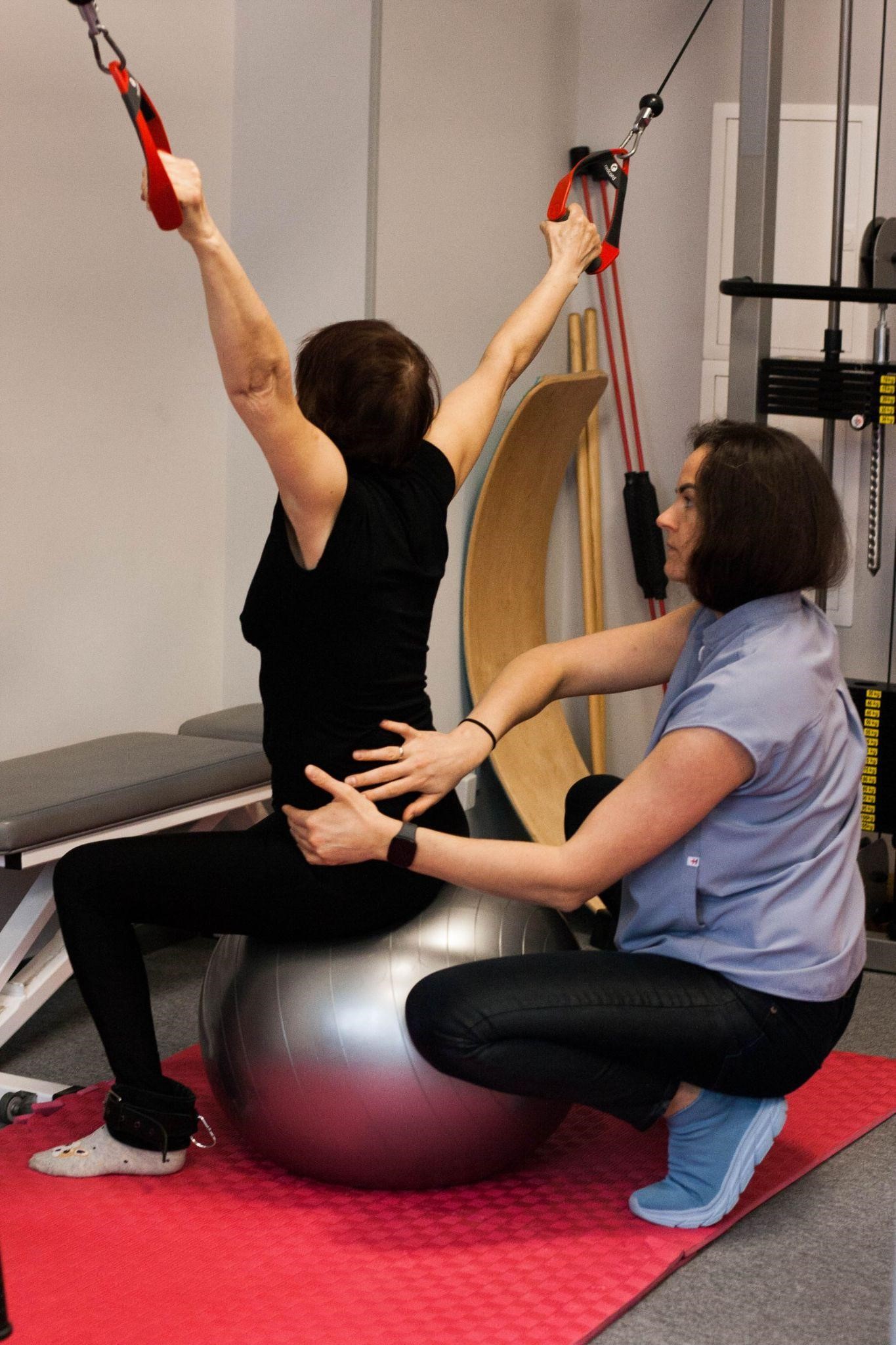
Back pain after sleep is a very common problem. Many people wake up with stiffness, lower back pain, or neck pain, but their symptoms partially improve throughout the day. Others, however, feel that their condition actually worsens after a night’s sleep.
People often assume the problem is only related to their mattress or pillow. In reality, there can be many contributing factors, ranging from muscle overload to spinal issues or poor sleeping habits.
In this article, we will discuss:
- why your back may hurt after sleep
- the most common causes
- when you should seek professional help
- how physical therapy can help solve the problem
Why your back may hurt specifically after sleep
During sleep, the body should:
- recover
- relax the muscles
- reduce stress on the joints
However, if:
- the spine remains in an improper position
- the muscles are overly tense
- there are mobility restrictions
then spending several hours in a static position can make the pain worse.
The most common causes of back pain after sleep
1. An unsuitable mattress or pillow
This is one of the most common causes.
A mattress that is too:
- soft
- firm
- or a pillow that is too high or too low
can:
- disrupt proper spinal alignment
- create excessive muscle tension
2. A sedentary lifestyle
If a person:
- sits for long periods
- moves very little
- has weak muscles
their body can become stiff after remaining in one position for an extended time.
3. Muscle tension and overuse
After:
- physical exertion
- stress
- prolonged desk work
muscles may remain tense even during sleep.
4. Spinal conditions
For example:
- disc bulges
- herniated discs
- facet joint osteoarthritis
- lumbar instability
In these cases, morning stiffness is a very common symptom.
5. Poor posture
Improper positioning of the:
- head
- shoulders
- pelvis
creates uneven stress on the back.
6. Sleeping in an awkward position
The most common aggravating factors include:
- sleeping on your stomach
- excessive body twisting
- poor neck positioning
Where the pain may occur
Lower back pain after sleep
This is the most common presentation.
Possible causes include:
- weak core muscles
- disc-related issues
- poor pelvic alignment
Neck pain after sleep
Often associated with:
- an unsuitable pillow
- head positioning
- muscle tension
Pain between the shoulder blades
May develop due to:
- slouched posture
- prolonged sitting
- overloading of the thoracic spine
When you should see a specialist
Do not ignore the problem if:
- the pain occurs regularly
- you experience numbness in the arms or legs
- the pain radiates into an arm or leg
- it is difficult to straighten up in the morning
- the symptoms are getting worse
Red flag symptoms
Seek immediate medical attention if you experience:
- significant weakness
- bladder dysfunction
- unexplained weight loss
- fever accompanied by back pain
How physical therapy helps with back pain after sleep
Modern physical therapy focuses not only on reducing pain but also on addressing the underlying cause.
1. Movement and posture assessment
A physical therapist:
- analyzes movement patterns
- assesses body alignment
- identifies overloaded structures
2. Restoring mobility
The problem is often related to stiffness in the:
- thoracic spine
- pelvis
- lower back
3. Strengthening muscles
Particularly important are the:
- core muscles
- deep spinal stabilizers
- gluteal muscles
4. Addressing muscle tension
Myofascial techniques can help:
- reduce muscle spasm
- improve circulation
- make movement easier
5. Education on healthy habits
Patients are taught:
- how to sit properly
- how to sleep comfortably
- how to get out of bed safely
How to sleep with back pain
Best sleeping positions
On your side
With a pillow between your knees.
On your back
With a small pillow under your knees.
Less desirable position
On your stomach
This position often places excessive stress on the:
- neck
- lower back
How to choose a mattress
There is no single perfect mattress for everyone.
However, most people benefit from:
- medium firmness
- support for the natural curves of the spine
The most important factors are comfort and the absence of increased pain.
What you can do yourself
To reduce morning back pain:
- move more throughout the day
- perform light exercises
- avoid prolonged sitting without breaks
- do mobility exercises
- maintain good posture
Common mistakes
❌ Complete rest
Without movement, the problem often becomes worse.
❌ Relying on painkillers all the time
They do not address the underlying cause.
❌ Ignoring symptoms
Chronic pain is usually more difficult to treat.
How long does recovery take?
Recovery time depends on the cause.
On average:
- functional issues — several weeks
- chronic conditions — several months
Consistent rehabilitation can significantly speed up recovery.
Conclusion
Back pain after sleep is not simply a “normal part of aging” and is not something you should tolerate for years. In most cases, it is associated with:
- muscle overload
- weak stabilizing muscles
- movement or posture dysfunction
Modern physical therapy can help:
- reduce pain
- restore mobility
- improve sleep quality
- address the root cause of the problem
The sooner you address your symptoms, the easier and faster it is to restore normal spinal function and enjoy comfortable, restorative sleep again.