



Acute or chronic back and joint pain can completely disrupt your daily routine. For most people, the first instinct is to take a painkiller to get back to work, training, or everyday activities as quickly as possible.
However, analgesics and anti-inflammatory medications create only the illusion of recovery. They suppress the body’s warning signals while leaving the underlying cause of the problem untreated. In this article, we’ll explain why painkillers for back pain are not a long-term solution and how physical therapy helps restore musculoskeletal health.
How Pain Medications Work: Masking Symptoms Instead of Treating the Cause
Pain is not the enemy—it is an essential protective mechanism. It signals that a tissue is experiencing excessive mechanical stress, injury, or inflammation.
Mechanism of Action: What Happens in the Nervous System?
Nonsteroidal anti-inflammatory drugs (NSAIDs) and analgesics reduce pain by inhibiting the production of prostaglandins—chemical messengers involved in transmitting pain signals to the brain.
Important: When you take pain relief tablets for joint or back pain, you’re essentially turning off the fire alarm while the house is still burning. The alarm stops, but the underlying biomechanical problem remains.
The Risks of Long-Term Pain Medication Use
Uncontrolled or prolonged use of pain medication not only masks the underlying cause of back pain but may also have harmful effects on the body:
- Gastrointestinal damage: NSAIDs increase the risk of stomach ulcers, gastritis, and gastrointestinal bleeding.
- Stress on the liver and kidneys: Long-term use may contribute to toxic damage and impaired organ function.
- A false sense of recovery: Without pain as a warning signal, people often continue activities that further overload the affected joint or spine.
The Real Causes of Back and Joint Pain
Pain rarely occurs without an underlying reason. In most cases—whether in athletes, military personnel, office workers, or older adults—the source of the problem is impaired movement function:
- Muscle imbalances: Some muscles remain chronically overactive while others become weak or inhibited.
- Poor movement control: Faulty biomechanics during walking, lifting, or prolonged sitting place excessive stress on the body.
- Insufficient mechanical loading: Articular cartilage and intervertebral discs rely on movement and diffusion for nutrition. Without appropriate movement, tissue health gradually declines.
Unless these underlying factors are addressed, the effects of pain medication will eventually wear off, while the dysfunction continues to progress.
Pain Medication vs. Physical Therapy: A Comparison
To understand why painkillers are not an effective long-term solution, let’s compare the two approaches:
| Parameter | Medication-Based Pain Relief | Physical Therapy and Rehabilitation |
| Primary Goal | Rapid symptom relief (pain reduction) | Address the underlying cause of the condition |
| Effect on Tissues | Masks symptoms while allowing continued tissue overload | Promotes tissue healing, improves joint function, and enhances load tolerance |
| Duration of Effect | Several hours to a few days | Long-lasting results when rehabilitation guidelines are followed |
| Overall Impact on the Body | Potential gastrointestinal, liver, and kidney side effects | Improves strength, mobility, coordination, and overall physical function |
Why Physical Therapy Is the Key to Long-Term Recovery
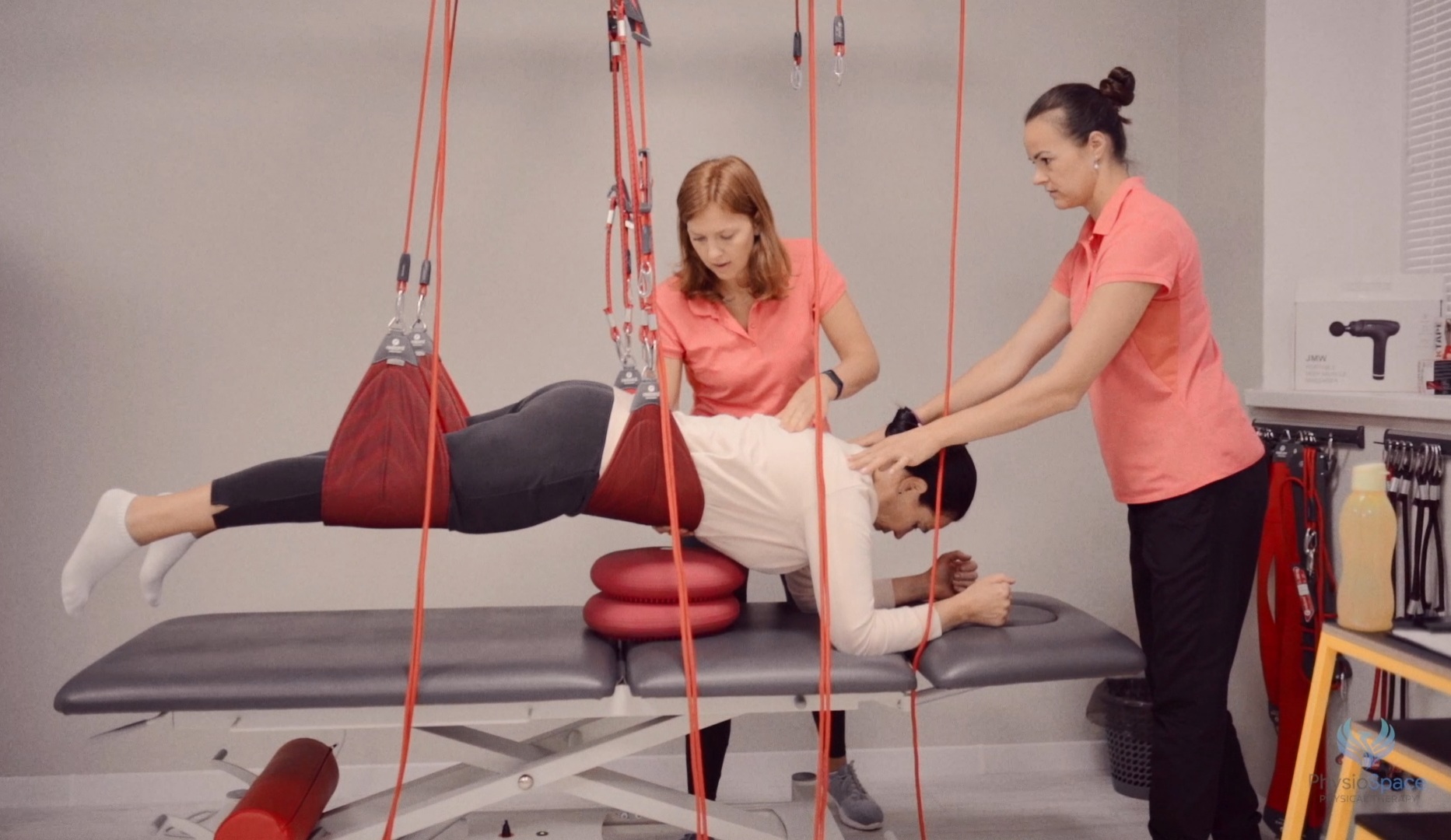
Modern physical therapy for back pain is far more than rest or massage. It is an active rehabilitation process that uses individualized exercise and progressive loading to restore normal movement and function.
How Does It Work?
- Tissue adaptation: Muscles, tendons, and ligaments become stronger and better able to tolerate everyday physical demands.
- Restoration of biomechanics: A physical therapist identifies and corrects compensatory movement patterns that place excessive stress on the spine and joints.
- Individualized treatment: Rehabilitation programs are tailored to each person’s condition, whether recovering from a sports injury, military service-related injury, or addressing pain associated with a sedentary lifestyle.
Understanding how to effectively treat joint pain begins with recognizing that lasting recovery requires changing the way your body moves—not simply taking another pill.
Frequently Asked Questions
Should I Avoid Pain Medication During an Acute Episode?
No. Pain medication can be beneficial during the first one to three days of an acute episode by reducing pain and inflammation, improving sleep, and making movement more tolerable. However, it should serve only as a short-term bridge to active rehabilitation—not as the primary treatment.
How Long Does Recovery Take Without Relying on Medication?
With an appropriately designed physical therapy program, many people notice meaningful improvement within two to three weeks. Complete tissue adaptation and long-term functional recovery typically require two to four months, depending on the condition and individual factors.
Conclusion
Pain medications are a temporary solution that simply suppresses the body’s warning signals. Attempting to manage spinal or joint conditions with medication alone often delays appropriate treatment and prolongs recovery.
Long-term recovery is achieved by restoring healthy movement patterns, strengthening the muscles that support the body, and working with a qualified physical therapist. Invest in improving the way you move—not in masking the symptoms.